









Bullying is a word that makes every parent flinch. When we hear about tragic cases like the recent death of 14-year-old Zara Qairina, our hearts sink. We picture our own children as victims, terrified and alone. We share the news, post our outrage, and talk about what schools should do better.
But here’s the question few parents dare to ask: What if the bully is my child?
It’s an uncomfortable thought. Most parents imagine their child as kind, innocent, and incapable of cruelty. Yet, in Malaysia, where bullying cases—physical fights, verbal abuse, cyberbullying—continue to make headlines, the harsh truth is that every bully is also someone’s son or daughter.
The Face of Bullying in Malaysia
In recent years, Malaysian news hasfeatured many reports of students beaten up in hostels, videos of schoolyard fights going viral, and cyberbullying pushing teens into silence or worse. According to the Ministry of Education, thousands of bullying cases are reported in schools each year, and many more likely go unreported.
Bullying is no longer a question of just “kids being kids.” The cruelty has escalated—often recorded and shared for likes and laughs. Behind each bully, there is a family. Parents who may not even realise their child is the one inflicting harm.
Why Good Children Bully
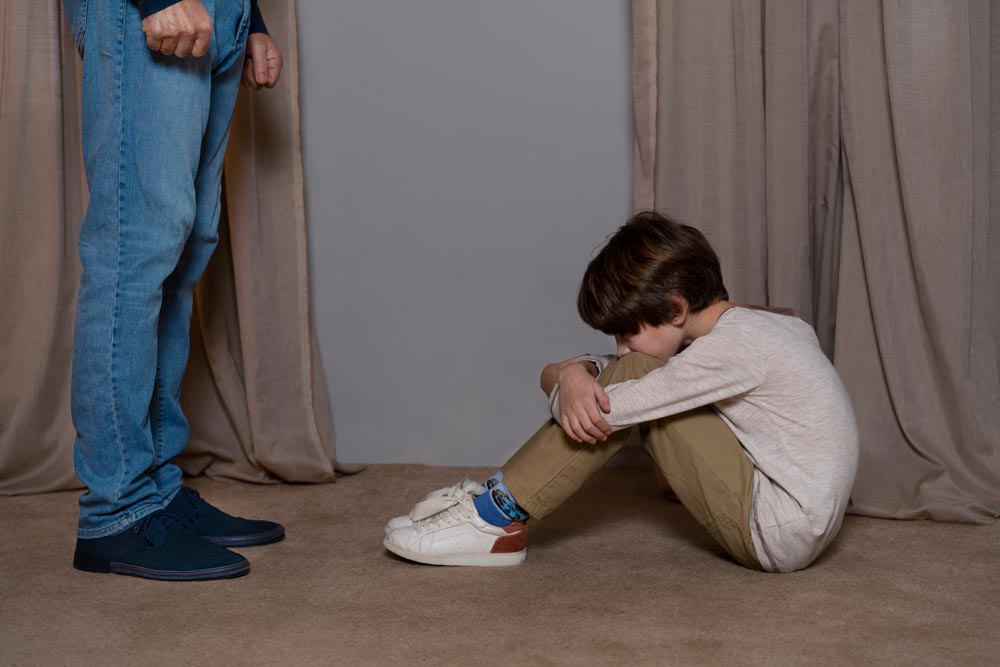
The biggest misconception about young bullies is that they are “bad children.” In reality, many bullies are ordinary children who may be:
- Seeking attention or status: In group settings, bullying can make a child feel important
- Copying behaviour: Children mirror what they see—at home, in the media, or from peers.
- Acting out frustration: Stress, neglect, or lack of attention can lead to aggression.
- Masking insecurity: A child who feels powerless in one area may engage in bullying in another.
It’s not always obvious. A child who is polite to teachers and adults may still torment classmates when parents and teachers aren’t looking.
Signs Your Child Might Be the Bully
Parents often notice when their child is being bullied. But spotting when your child is the bully is harder—and requires honesty. Warning signs may include:
- Frequent conflicts at school or with siblings.
- A tendency to blame others and an unwillingness to be accountable for what they do..
- Lack of empathy—laughing at others’ pain or dismissing it.
- Has Friends who also display aggressive behaviour.
- Sudden popularity gained by inspiring fear rather than genuine friendship.
No parent wants to acknowledge these signs. Yet denial doesn’t protect your child—it only exacerbates the problem.
The Parenting Blind Spot
Why is it so hard to accept the possibility? Because it challenges our role as parents. We tend to attribute bullying behaviour to a failure in upbringing. We fear judgment. We fear shame.
But bullying doesn’t always stem from ‘bad parenting. Children are shaped by many forces: peer pressure, school culture, online influence, even the careless and harsh way adults sometimes talk about others at home. A child who feels powerless in one area of life—may be struggling academically or being excluded by friends—may seek to reclaim that power by dominating others.
The blind spot comes when parents deny or downplay what’s happening. We might say:
- “It’s just kids being kids.”
- “My child would never do that.”
- “The other child must have provoked it.”
But excusing or shifting blame only entrenches the behaviour. The truth is, all children are capable of kindness—and cruelty. Accepting that view enables us to become responsible parents.
Hard but Necessary Conversations
If you discover, or even have a feeling , that your child is bullying others, the first step isn’t to come down on him with harsh punishment.—What is required is open communication. Punishment for an offence without any attempt to understand it just drives the behaviour underground.
- Children need clarity: What bullying is
Many children may not see their actions as bullying. Teasing that “everyone laughs at,” roughhousing that “was just a joke,” excluding a classmate from a group—these may feel harmless to them. Parents must explain to them that bullying isn’t expressed only in physical violence. It may also be done through verbal or digital means. And all forms of bullying are likely to have emotional consequences. - Why it it is harmful
Share real stories—like how Zara’s case in Malaysia became a national tragedy. Explain how words and actions can leave deep scars: and result in anxiety, depression, and even suicidal thoughts. A child may dismiss bullying as “fun,” but they need to understand it has real consequences in another person’s life. - How to repair damage
Accountability goes beyond a quick “sorry.” It might be necessary to write a letter of apology, to sit down with the victim (if safe), or to participate in school-led reconciliation programmes. The goal is not to humiliate bullies but to inculcate empathy—sensitizing them to the weight of their actions and the need to rebuild trust.
When having these conversations, parents should stay firm but calm. They need to ask open questions such as : “Why do you think your friend felt hurt?” or “How would you feel if this happened to you?” Avoid raising your voice or shaming, them which only makes children defensive and silent.
Assuming Joint Responsibility
Parents cannot place all the responsibility on the schools. While schools need to enforce rules and protect students, values are built at home. What can parents do?
- Model empathy at home
Children learn compassion from how we treat others— relatives, domestic -helpers, waiters, cleaners., The manner in which we relate to one another and the verbal and non-verbal means we use to negotiate outcomes can also have an impact on them. - Monitor digital life
Cyberbullying often happens in group chats and social platforms. This is where parents need to keep track of their digital activities , set boundaries, and inculcate digital responsibility. - Set clear boundaries
Explain what the consequences might be for harmful behaviour, both at home and in school. Consistency matters. - Encourage positive outlets
Channel their energy into sports, arts, or volunteering—spaces where leadership and confidence depend on building others up not tearing them down. - Seek professional help if needed
If the bullying behaviour persists, counselling may uncover deeper issues driving the aggression. These need to be investigated and professional resolved.
Breaking the Cycle
When children bully, it’s easy to label them in negative ways . But behind the label is still a child who can change for the better with guidance. Parents who face the truth early can redirect that youthful energy into empathy and strength. Left unchecked, these negative patterns can continue into adulthood—into workplaces, relationships and society.
Stopping bullying starts not only with protecting victims but, more importantly, with transforming bullies. And that responsibility begins with the parents.
Asking the Hard Question
So, what if the bully is your child? It’s a question that is painful even to imagine. But our willingness to ask it may enable us to raise a child who learns from mistakes rather than one who leaves scars on others.
As parents in Malaysia grapple with the heartbreaking cases unfolding in our schools, we must remember: every story of bullying involves two families—that of the victim and the bully. One grieves over the harm done. The other must summon the courage to confront it, make amends for it and take steps to prevent its recurrence.
The question we need to ask ourselves isn’t whether we love our children. It’s whether we are willing to look honestly at who they are becoming—and to provide the necessary guidance and timely intervention when necessary.
Bullying is never easy to confront, especially when the bully might be our own child. But denial doesn’t protect them—it only delays their overall development in the right direction. By facing the truth with honesty, guiding them with empathy, and holding them accountable, parents have the power to break the cycle. Every child has the capacity to hurt, but also the capacity to heal, grow and choose kindness over cruelty.
Interested to read more: