












An understanding about money, its value and use is one of the most valuable life skills parents can inculcate in children. Financial literacy isn’t just about counting coins or learning addition, it shapes attitudes toward saving, spending, giving, and decision-making. By learning about money early in life, children develop confidence, responsibility, and independence, and at the same time avoid common money mistakes in the limited and simple financial transactions they may be involved in Even if children don’t have access to money yet, age-appropriate lessons can help them build good financial habits for life.
Why Financial Literacy Needs to be Acquired Early in Life
Children may not realize it, but the money habits they develop before age 10 can influence their financial behaviour as teens and adults. Children who understand money are better equipped to make smart decisions, resist impulse purchases, and appreciate the value of hard work. Early education also reduces stress in later years: children who know how to budget or save are less likely to feel anxious about money in school or when managing allowances.
Financial literacy also instils responsibility. When children understand that money is earned through effort and must be managed wisely, they develop patience, critical thinking, and self-control, skills that go beyond finances and influence their overall growth.
1. The Concept of Money
The first step in teaching financial literacy is helping children understand what money is and what it does. Money serves many functions in society. It is a unit of exchange that allows people to buy goods and pay for services. It is also a unit of account that provides a common measure for the value of goods and services, enabling people to compare prices before making purchases. The third basic function that children need to be familiar with is that money is also a store of value that enables us to save for future needs. We can even earn interest from money through investment.
Practical examples may help them understand how money functions in society. For instance, parents can take children grocery shopping and explain how the prices on items reflect their value. Children can also help with small purchases, such as paying for a snack at a cafe. If children are given a small allowance and encouraged to use it for the kind of transactions mentioned above, that would enable them to understand the flow of money in everyday life.
By seeing money in action, children begin to grasp that it is limited and must be used thoughtfully.

2. The Value of Saving
Once children understand what money is and how it is used in society, the next step would be to teach them the importance of saving. When children save, they learn to wait and defer gratification and plan for the future. By cultivating patience and resisting the urge for immediate gratification children gradually develop good financial habits.
Parents can introduce saving jars, piggy banks, or even digital savings accounts for older children. Encourage children to set short-term goals, like saving for a favourite toy, and long-term goals, such as a bigger item they want later. Celebrate their progress and praise the act of saving itself rather than just the purchase at the end.
Saving also teaches children the satisfaction that comes from working toward a goal. Over time, this becomes a habit and encourages thoughtful decision-making.
3. Needs vs Wants
One of the most important lessons has to do with teaching children to distinguish between needs and wants. Needs are essential items, like food, clothing, and school supplies, while wants are things that are nice to have but not necessary, such as video games, candy, or toys.
Parents can encourage children to ask themselves: ‘Do I need this or just want it?’ Role-playing shopping scenarios can reinforce this skill. For example, during grocery shopping, parents can explain why the family buys certain items that are essential and skips others that are just optional items.
Understanding this difference helps children make thoughtful decisions about how they spend t their money. They learn how to establish priorities and prevent impulsive habits from forming early.
4. Earning Money
No one has an unlimited supply of money and children should learn the connection between work and the money that is earned from it.. Offering simple chores - such as tidying up their room, helping set the table, or watering plants-in exchange for a small allowance helps them understand that work has value.
It’s important to explain to them that money is generated from sustained effort, and that rewards are the result of responsible effort expended on work. By doing this, children also learn about accountability and the satisfaction of earning money as a result of their effort at work rather than expecting everything to be given to them for free with no work required.
These lessons not only teach financial responsibility but also build confidence and a sense of independence.
5. Spending Wisely
Knowing how to spend money wisely is a skill that develops over time. Parents can guide children to get good value for their money while shopping and show them how to budget for small purchases. For example, if a child wants a new toy, parents can discuss options, prices, and whether it might be better to wait a while to get better prices.
By reviewing with children unplanned purchases they have made, children begin to understand the negative impact of their careless spending. Encourage them to consult with parents before making larger purchases. Over time, children learn to weigh options and make decisions that take into account both their desire for certain items and the financial consequences of decisions made.
6. Sharing and Charity
Education about money would not be complete without teaching children the importance of giving. Sharing is not only a moral lesson but also a practical way to understand how money can have a positive impact on other people’s lives.
Parents can encourage children to donate a portion of their allowance or contribute old toys or other items to charity. Discussing why helping others matters reinforces empathy and social responsibility.
Involving children in family charitable activities, such as fundraising or community projects, also teaches them that money can be a tool to make a difference,in other people ‘s lives , not just a means for personal gain.
7. Introduce Simple Budgeting
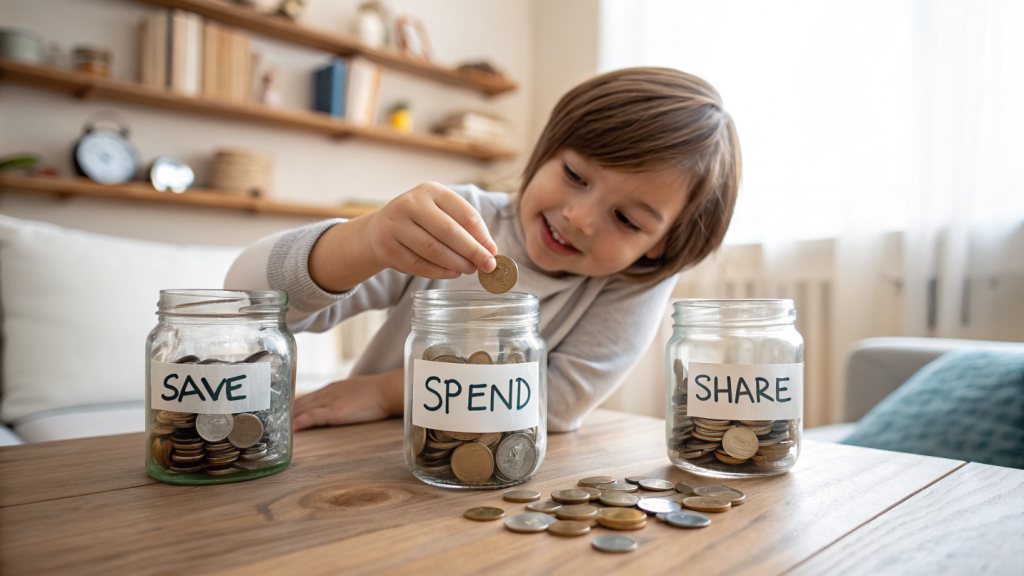
As children grow, they can start playing an active part in managing money. Children aged 7–10 can begin tracking their small expenses and savings. Simple charts, envelopes, or digital apps designed for children can make budgeting visual and engaging.
Parents can guide children in dividing money into categories such as: saving, spending, and sharing. Offering small rewards for responsible money habits, such as saving a certain amount or avoiding unplanned purchases, is likely to strengthen good habits and boost confidence
The inculcation of budgeting skills early in life enables children to acquire valuable qualities such as foresight, financial prudence and a sense of responsibility - that will last them a lifetime.
8. Mistakes as Learning Opportunities
It’s important to let children make small mistakes. Perhaps they had spent their allowance on a toy and later regretted that decision, or forgot to save for an important item. These experiences serve as valuable lessons on decision-making.
Rather than punishing mistakes, parents should discuss what could have been done differently and encourage greater reflection. By learning from errors in a safe environment, children develop critical thinking and resilience. Mistakes become stepping stones toward smarter money management in the future.
Practical Tips for Parents
- Start Small: Introduce money lessons gradually. Begin with coins and piggy banks, then move on to allowances and simple budgeting. These measures give children a better grasp of basic financial concepts through their application in everyday life.
- Make It Fun: Use games, charts, or apps to make learning about money interactive and engaging. With fun activities children stay interested and remember the lessons well.
- Lead by Example: Children learn by watching. Demonstrate responsible money habits in everyday life, like saving, budgeting, or comparing prices before making a purchase.
Financial literacy is one of the most valuable skills a parent can teach their children. Early education in saving, spending wisely, earning, and sharing fosters responsibility, independence, empathy, and decision-making skills.
By introducing these lessons before age 10, parents provide children with a solid foundation for a financially smart future. Beyond numbers, children learn patience, self-control, and the value of thoughtful choices - skills that extend into all areas of life.
The earlier children understand money, what it is and how it functions in society, the more confident and prepared they will be to navigate financial decisions as teens and adults. Inculcating financial literacy is not just about creating smart spenders or savers; it’s also about shaping responsible, empathetic, and capable individuals with enough financial prudence to thrive in the real world.
10岁前儿童应建立的金钱观念与理财基础
对金钱的认识,包括它的价值和使用方式,是父母能够教给孩子的最重要的生活技能之一。财商教育不仅仅是数硬币或学习加减法,更重要的是它会影响孩子对储蓄、消费、分享以及做决定的态度。通过适合年龄阶段的引导,孩子能够在成长过程中建立稳健的财务意识与自我管理能力,提升独立思考与判断能力。即使尚未真正参与金钱使用,这些早期的学习与引导,依然能帮助孩子形成良好的理财习惯,为未来的学习与生活打下坚实基础。
为何金钱教育应从小培养?
儿童在10岁前形成的金钱习惯,往往会持续影响其青少年乃至成年后的财务行为。具备基础金钱观念的儿童,通常能够做出更理性的消费决定,减少未经思考的支出,并更能理解努力与收入之间的关系。
早期金钱教育可显著降低未来的财务压力。懂得制定预算、控制支出或规划储蓄的儿童,更能在学校阶段或管理零用钱时保持从容。
此外,金钱教育还培养责任感。当儿童理解金钱得来不易,需要通过努力换取并加以妥善管理时,耐心、批判性思维与自我管理能力便会在其中逐步形成。这些能力不仅适用于理财,更有助于全面的个人成长。
1. 认识金钱的基本概念
金钱教育的第一步,是让儿童理解金钱的本质与用途。金钱在社会运作中扮演着重要角色,它是一种交换工具,方便人们进行商品买卖和服务交易;同时,金钱也是衡量价值的标准,使不同商品和服务的价格得以比较与评估。此外,金钱还具有储存价值的功能,让人们可以为未来的需要进行储蓄,并通过投资实现资产的增值与利息回报。
日常情境是最佳的教育素材。父母可以在购物时向儿童解释商品价格的意义,并让他们参与小额付款,例如在餐厅支付食物。如果孩子获得少量零用钱,并被鼓励用它进行上述类型的交易,这将帮助他们理解日常生活中金钱的流动。
透过这些实践,儿童会逐渐明白金钱是有限资源,需要被谨慎使用。
2. 建立储蓄意识
一旦孩子明白了金钱的概念以及它在社会中的作用,下一步就是让他们理解储蓄的重要性。通过储蓄,孩子能够学会等待、延迟满足,并为未来做出规划。培养耐心并克制即时享乐的欲望,有助于孩子逐步形成良好的财务习惯。
父母可准备储蓄罐或透明的存钱容器,让儿童清楚看到自己的累积成果。年纪稍大的儿童则可尝试使用简易的数字储蓄工具。父母可以鼓励儿童设立短期目标(如购买心仪的小物品)与长期目标(如较大金额的愿望)。
在过程中,持续肯定儿童坚持储蓄的努力,而不是仅在成功购买物品时给予鼓励。储蓄让儿童体验从付出到收获的过程,这种成就感能够帮助他们在未来做出更谨慎的金钱决定。
3. 分辨需要与想要
在金钱教育中,学习区分需要、想要尤为重要。
- 需要: 如食物、衣物、文具等生活必需品
- 想要: 如玩具、零食、游戏等非必要物品
父母可引导儿童自问:“这是我真正需要的,还是只是我想要的?”
购物时,父母也可以示范家庭如何优先购买必需品,并解释为何某些物品可以暂缓。例如,在购物时,家长可以向孩子解释为什么家庭会购买一些必需品,而跳过那些只是可选的商品。
理解此差别,有助儿童在使用金钱时学会取舍,避免形成冲动消费的习惯。
4. 建立劳动与收入的连结
没有人拥有无限的金钱,孩子们应该了解工作与收入之间的关系。提供一些简单的家务,例如整理房间、帮助摆餐具或浇花,并给予少量零用钱作为奖励,可以让他们明白劳动是有价值的。
重要的是要向孩子解释,金钱是通过持续的努力获得的,奖励是对认真负责完成工作的回报。通过这种方式,孩子们还会学到责任感,以及通过自身努力赚取金钱的满足感,而不是期望所有东西都不劳而获。
这些经验不仅教会孩子理财责任感,也能培养他们的自信心和独立意识。
5. 学会理性消费
学会明智地使用金钱是一项需要时间培养的技能。家长可以在购物时指导孩子如何花钱更有价值,并教他们如何为小额购买制定预算。例如,当孩子想买一个新玩具时,家长可以和孩子讨论不同的选择、价格,以及是否等一段时间可能会有更好的价格再购买。
通过回顾孩子之前做过的非计划性购买,孩子会逐渐理解粗心花钱带来的负面影响。鼓励他们在进行较大金额的购买前先与家长商量。随着时间的推移,孩子会学会权衡各种选择,并在满足个人需求与考虑经济后果之间做出明智的决策。
6. 学习分享与捐赠
关于金钱的教育,如果不让孩子明白“给予”的重要性,就不算完整。学会分享不仅是道德教育,也让孩子理解金钱如何能够对他人的生活产生积极影响。
父母可以鼓励儿童将零用钱的一部分用于捐赠,或整理仍保持良好状态的玩具捐给有需要的人。
让孩子参与家庭慈善活动,例如筹款或社区项目,也能让他们明白,金钱不仅是个人获取利益的工具,更可以用来改善他人的生活,带来积极影响。
7. 建立基础预算能力
随着孩子成长,他们可以开始积极参与金钱管理。7 至 10 岁的孩子可以开始记录自己的小额开销和储蓄。使用简单的图表、信封或专为儿童设计的数字应用程序,可以让预算管理更直观、有趣。
家长可以指导孩子将钱分成不同类别,例如:储蓄、消费和分享。对于负责任的理财习惯,例如储蓄一定金额或避免冲动消费,给予小奖励,有助于强化良好习惯并提升自信心。
从小培养预算管理技能,可以让孩子获得宝贵品质,如前瞻性、理财谨慎和责任感,这些品质将伴随他们终生。
8. 从错误中成长
在可控范围内允许儿童犯错,是金钱教育的重要环节。例如,他们可能因冲动购买不必要的物品,或因未储蓄而错失更重要的目标。
这类经历提供了宝贵的学习机会,有助于儿童逐步培养更合理的决策能力。
透过反思,儿童能建立判断力与抗压能力,并在未来做出更成熟的财务决策。
给父母的建议
- 循序渐进: 逐步引入金钱教育。先从硬币和储蓄罐开始,再慢慢过渡到零花钱和简单的预算管理。通过在日常生活中的应用,这些措施能帮助孩子更好地理解基础的财务概念。
- 增加互动性: 通过游戏、图表或应用程序让金钱学习变得互动、有趣。趣味活动可以保持孩子的兴趣,让他们更容易记住所学内容。
- 以身作则: 孩子通过观察学习。在日常生活中展示负责任的理财习惯,例如储蓄、制定预算或在购买前比较价格,让孩子从中学习。
财务素养是父母可以教给孩子的最宝贵技能之一。从储蓄、理性消费、劳动换取收入,到分享与预算,早期的金钱观念能够帮助儿童培养责任感、独立性、同理心以及良好的决策能力。
通过在10岁之前引入这些理财课程,家长为孩子打下了稳固的财务基础,为未来的理财智慧做好准备。除了学习数字知识外,孩子还能学会耐心、自我控制以及审慎决策的重要性—这些技能同样适用于生活的各个方面。
孩子越早理解金钱、它的本质以及在社会中的作用,就越能在青少年和成年时期自信且有准备地做出财务决策。培养财务素养不仅仅是为了让孩子成为精明的花钱者或储蓄者,更是为了塑造负责任、有同理心、具备能力的个体,使他们拥有足够的理财智慧,在现实生活中茁壮成长。
More articles for you to enjoy: