









The holiday season is all about family, enjoyment, and, naturally, delicious food. While it’s a time to relax and enjoy treats, parents also need to ensure their children maintain a healthy diet. With endless snack options to holiday feasts, children run the risk of being exposed to high sugar, high-fat and low-nutrient foods.
However, with a little planning and creativity, parents can help children enjoy the holidays without compromising their nutrition. Encouraging nutritionally sound eating habits during school breaks is about instilling long-term habits that will enhance your child’s overall health throughout life.
In this article, we’ll explore practical tips for healthy holiday eating, simple nutritious recipes, and how to involve children in preparing balanced meals.
Understanding Holiday Nutrition Challenges
During school holidays, children often have more free time, which can lead to more snacking and a greater indulgence in treats. Common challenges include:
- Increased sugar intake: candies, chocolates, cookies, and holiday desserts
- Irregular meal times: staying up late, skipping meals, or eating at inappropriate times
- Less structured eating habits: children may graze on snacks instead of eating balanced meals
- Reduced physical activity: especially during hot weather or rainy days when opportunities for outdoor play and recreation are limited
Holiday routines are often very different from those followed on school days, and without guidance, children are likely overconsuming sugary or processed foods. Parents need to anticipate these challenges and plan ahead by devising ways to balance enjoyment with nutrition.
Holiday Snacks: How to Make Better Choices
Instead of banning treats altogether, healthier snack choices could be offered. Colorful and varied options are likely to make children more interested in eating them.
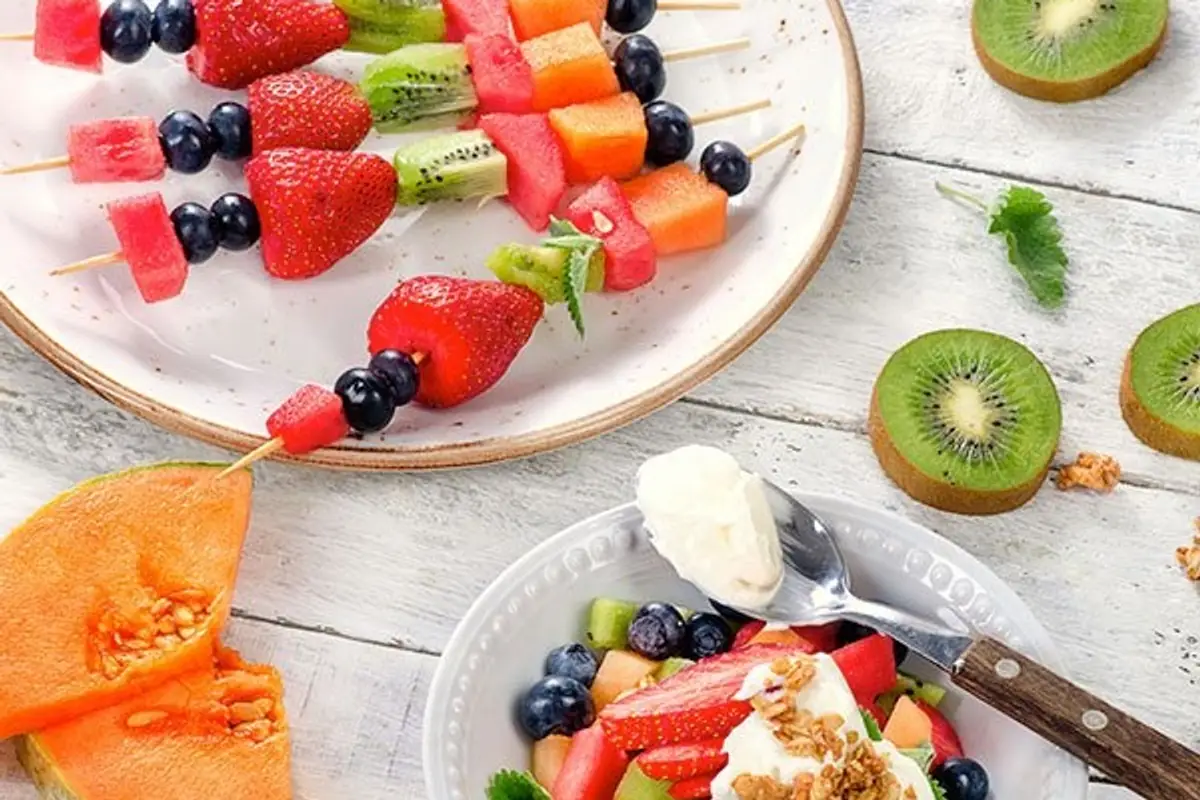
- Fruits and Vegetables
- Fresh fruit: strawberries, blueberries, apples, or mangoes
- Vegetables: carrots, cucumber, celery, cherry tomatoes
- Fruit-based dips: blended strawberries with yogurt
2. Protein-Rich Snacks
- Nuts and seeds: almonds, walnuts
- Whole-grain crackers
- Cheese cubes or sticks
- Boiled eggs
- Yogurt
3. Smart Sweet Alternatives
- Homemade fruit popsicles
- Banana or apple chips baked at home
- Oatmeal cookies with less sugar
4. Tips for Different Age Groups
- Toddlers: small pieces of soft fruit, unsweetened yogurt, mini whole-grain sandwiches
- Primary school: fruit smoothies, vegetable wraps, whole-grain crackers with cheese
- Teens: trail mix, roasted chickpeas, fruit with nut butter
Given a variety of colourful and nutrient-rich snacks, children are less likely to overeat sugary processed foods, and they learn to enjoy natural flavours.
Preparing Balanced Meals
Parents can focus on nutrient-dense meals that are simple to prepare but still delicious for children. A balanced meal should include:
- Protein: chicken, fish, tofu, eggs, or lean red meat
- Whole grains: brown rice, red rice, oats, whole-grain noodles, or chapati
- Vegetables: Spinach, broccoli, carrots, or okra
- Healthy fats: avocado, olive oil, nuts, or seeds
Example Meal Ideas:
- Vegetable fried rice with tofu, egg, and carrots, peas, and corn
- Nasi lemak with grilled fish, boiled egg, cucumber slices, and a small portion of sambal
- Omelette with spinach, cherry tomatoes, and shredded chicken
- Homemade mee goreng with tofu, vegetables, and lean protein like chicken or prawn
- Baked salmon with sweet potato wedges and steamed okra or broccoli
- Whole-grain chapati wraps with avocado, and colourful veggies
Simple, colourful meals are not only visually appealing to children but also provide a wide range of nutrients during the holiday period. The use of familiar ingredients can make healthy eating more acceptable and enjoyable for children.
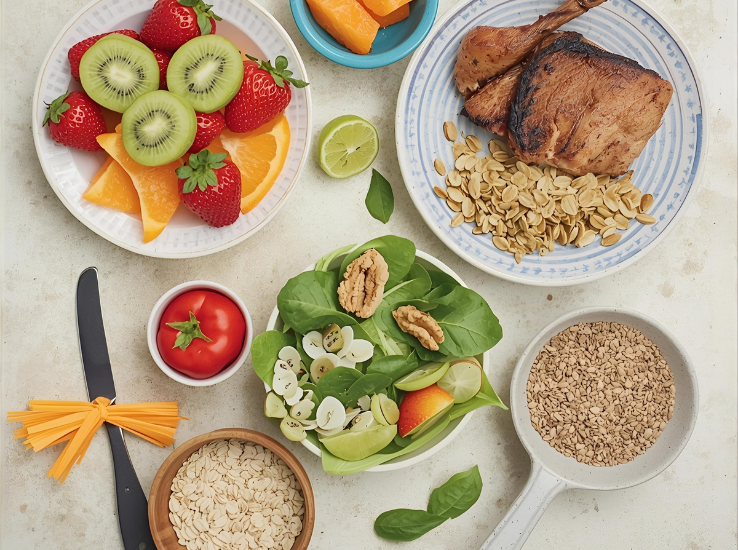
Filling Nutrient Gaps: ‘Eat What You Need’
Specific nutrient gaps can be addressed with simple dietary choices:
| Nutrient | Benefit for Children | Foods to Include |
| Vitamin C | Boosts immunity and iron absorption | Oranges, strawberries, kiwi, bell peppers |
| Calcium | Strong bones and teeth | Milk, yogurt, cheese, tofu |
| Iron | Prevents anemia and supports growth | Red meat lentils, spinach, chicken |
| Omega-3 | Brain development and focus | Salmon, Sardines, chia seeds, walnuts |
| Fiber | Healthy digestion and satiety | Oats, whole grains, vegetables, fruits |
Parents can create ‘balanced plates’ ensuring that children get the essential nutrients they need, even during a more relaxed holiday activities.
Fun and Educational Cooking Activities
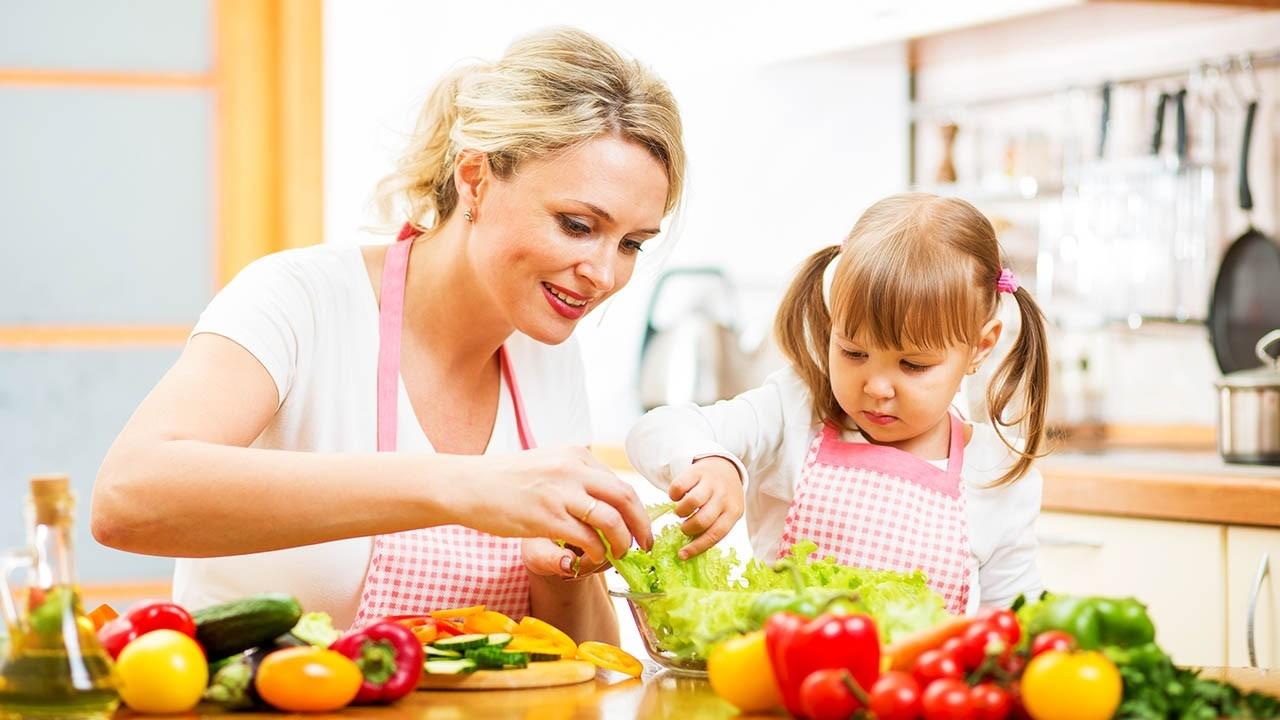
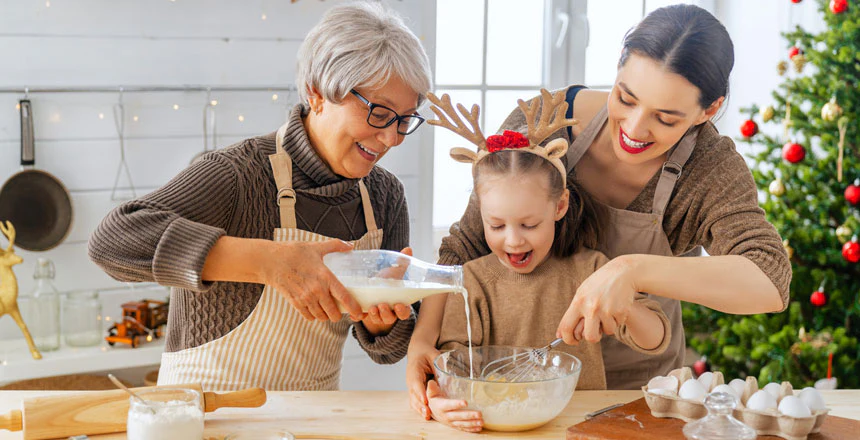
Holiday time is a great opportunity to involve children in meal preparation. Not only does this inculcate cooking skills, but it also encourages healthier eating habits.
Ideas for Holiday Cooking Fun
- Fruit kabobs: Children can thread grapes, melon, and strawberries on skewers
- DIY sandwiches: Let children choose their vegetables and spreads
- Mini pizzas with veggie toppings: Use whole wheat bases and low-fat cheese
- Smoothie creations: Mix fruits, yogurt, and a spoon of oats
For younger children, simple tasks like washing vegetables or stirring ingredients help develop fine motor skills. Older children can learn to measure ingredients, read recipes, and plan menus. Cooking together reinforces nutrition knowledge in a fun and interactive way.
Maintaining Routine During Holidays
While it’s tempting to let eating routines slide, keeping a consistent meal schedule is important for children’s metabolism and behaviour.
- Set meal and snack times: avoid constant grazing
- Limit sugary drinks: offer water, milk, or natural fruit juices instead
- Encourage hydration: especially during outdoor play or hot weather
- Involve children in planning: letting them help create a weekly meal/snack plan encourages responsibility
Tips for Parents: Balance, Not Restriction
The key is balance, not strict restriction. Holidays are for enjoyment, so it’s fine for children to have treats—but combine them with nutritious foods and plenty of activity.
- Keep healthy snacks visible and accessible
- Use treats as occasional rewards, not daily staples
- Encourage physical activity: walks, cycling, family sports
- Teach mindful eating habits: eating slowly, recognizing fullness, enjoying flavors
By teaching children mindful eating habits, parents help them develop a healthy relationship with food that endures well beyond the holiday season.
Combining Nutrition with Fun Activities
Nutrition alone isn’t enough; pairing healthy eating with physical activity helps children stay energized and happy.
- Family walks after meals: A short walk after lunch or dinner helps digestion, promotes bonding, and encourages children to enjoy fresh air.
- Outdoor games: Badminton, basketball, or obstacle courses in the park provide cardiovascular exercise.
- Gardening: Growing herbs, vegetables, or fruits at home teaches children where food comes from, encourages hands-on activity, and increases interest in eating what they grow.
By integrating fun, movement, and healthy eating, children not only develop positive habits but also learn to enjoy and appreciate a balanced lifestyle.
Holidays don’t have to result in unhealthy eating for children. With a little planning, creativity, and family involvement, parents can make sure children enjoy festive treats while staying nourished, energized, and healthy.
By providing nutritious snacks, balanced meals, and fun cooking activities, parents give children the knowledge and tools to make smarter food choices, understand the importance of nutrition, and develop healthy habits that last a lifetime, all while enjoying a joyful and relaxing holiday season. Encouraging children to help with meal preparation and to take part in physical activities does not only make healthy living fun, but also strengthens their commitment to an active, balanced lifestyle.
假期儿童健康营养指南:健康饮食小贴士
假期是家人团聚、享受美食与欢乐的时刻。在放松身心、享用佳节美食的同时,家长亦需确保孩子维持良好且健康的饮食习惯。在琳琅满目的零食选择与节日期间的丰盛餐点中,孩子往往面临高糖、高脂、低营养食物的摄入风险。
事实上,只要稍作规划并融入一些巧思,父母便能在让孩子尽情享受假期的同时,确保他们依然摄取充足且均衡的营养。在学校假期倡导健康且营养均衡的饮食方式,有助于培养可持续的良好习惯,从而在孩子的成长过程中全面促进其长期健康。
本文章将分享实用的假期健康饮食建议、简单营养食谱,以及如何让孩子参与准备均衡餐点的方式。
假期饮食的挑战
在学校假期期间,儿童通常拥有更多自由时间,这可能导致零食摄入增加,以及对甜食的过度享用。常见的挑战包括:
- 糖分摄入量增加:如糖果、巧克力、饼干以及甜点
- 饮食时间不规律:晚睡、跳过正餐、或在不适当的时间进食
- 缺乏饮食结构:容易只吃零食而不吃正餐
- 身体活动减少:尤其是在炎热或多雨的天气里,儿童进行户外活动和娱乐的机会有限
假期作息通常与上学日大不相同,若缺乏指导,儿童容易过度摄入含糖或加工食品。家长需要预见这些挑战,并提前规划,寻找在享受美食与保持营养之间取得平衡的方法。
为孩子挑选健康零食的方法
与其完全禁止零食,不如提供更健康的选择。色彩丰富、种类多样的零食更容易激发儿童的兴趣,促使他们愿意尝试。
1. 水果与蔬菜类
- 新鲜水果:草莓、蓝莓、苹果片、芒果
- 蔬菜选择:胡萝卜、黄瓜、芹菜、小番茄
- 搭配水果酱:如酸奶与草莓泥的混合酱
2. 高蛋白零食
- 坚果和种子:杏仁、核桃
- 全谷物饼干
- 芝士条或芝士块
- 水煮蛋
- 优格(酸奶)
3. 更健康的甜点选择
- 自制水果冰棒
- 自制香蕉片或苹果片(低温烘烤)
- 少糖燕麦饼干
4. 适合不同年龄段的零食建议
- 幼儿:水果块、无糖酸奶、迷你全谷物三明治
- 小学生:水果冰沙、蔬菜卷、全谷物饼干配芝士
- 青少年:自制什锦果仁、烤鹰嘴豆、水果配坚果酱
提供多样且营养均衡的零食选择,有助于引导孩子自然减少糖分摄入,并培养其对天然食材的习惯。
准备均衡的正餐
家长可以专注于为孩子准备既营养丰富又简单易做的美味餐点,让他们在享受美食的同时获得均衡营养。一份均衡餐盘应包括:
- 蛋白质:鸡肉、鱼、豆腐、鸡蛋、瘦红肉
- 全谷物:糙米、红米、燕麦、全麦面条、薄饼(chapati)
- 蔬菜:菠菜、西兰花、胡萝卜、羊角豆
- 健康脂肪:牛油果、橄榄油、坚果、种子
示例餐点:
- 蔬菜炒饭:加入豆腐、鸡蛋、胡萝卜、豌豆、玉米
- 健康版椰浆饭:搭配烤鱼、水煮蛋、黄瓜片与少量参巴
- 蔬菜鸡肉蛋饼:加入菠菜、小番茄、 鸡丝
- 自制健康炒面:加入豆腐、蔬菜和鸡肉或虾
- 烤三文鱼配红薯角:旁边搭配蒸羊角豆或西兰花
- 全谷物薄饼卷(chapati wrap):内含牛油果和丰富彩色蔬菜
简约且色彩丰富的餐点不仅对儿童具有视觉吸引力,也能在假期期间提供多样的营养。使用孩子熟悉的食材,可以让健康饮食更加易于接受并充满乐趣。
营养均衡指南:补足所需营养
对于特定的营养不足,可以通过简单的饮食方式加以弥补:
| 营养素 | 对孩子的益处 | 推荐食物 |
| 维生素C | 提升免疫力、促进铁吸收 | 橙子、草莓、奇异果、彩椒 |
| 钙 | 强化骨骼与牙齿 | 牛奶、酸奶、芝士、豆腐 |
| 铁 | 预防贫血、支持成长 | 红肉(牛肉、羊肉)、扁豆、菠菜、鸡肉 |
| Omega-3 | 脑部发育、提升专注力 | 三文鱼、沙丁鱼、奇亚籽、核桃 |
| 膳食纤维 | 健康消化、增加饱腹感 | 燕麦、全谷物、蔬果 |
家长可以为孩子打造“均衡餐盘”,确保他们在假期放松活动期间仍能摄取所需的关键营养素。
趣味营养烹饪活动
假期是让孩子参与烹饪的好机会,不仅能培养动手能力,也能提升他们对健康饮食的兴趣。
有趣的假期料理活动
- 水果串:让孩子将葡萄、哈密瓜、草莓串在竹签上
- DIY三明治:让孩子选择要放的蔬菜与酱料
- 蔬菜迷你披萨:使用全麦饼底与低脂芝士
- 自制冰沙:混合水果、酸奶与少量燕麦
年幼的孩子可协助洗菜或搅拌;大一些的孩子可练习量食材、阅读食谱甚至规划菜单。这些活动能让孩子更主动地学习营养知识。
保持假期作息的关键意义
假期虽易打破日常饮食规律,但维持一定的饮食与作息秩序,对于孩子的代谢、情绪管理及整体健康仍具有重要意义。
- 设定固定的餐点与零食时间,避免整天吃零食
- 限制含糖饮料,选择水、牛奶或天然果汁
- 多鼓励喝水,尤其在户外玩耍或炎热天气
- 让孩子参与每周餐点/零食计划,提高责任感
家长指南:合理平衡取代严格限制
假期的意义在于欢乐,因此孩子享用一些甜点或零食是正常的。重点在于平衡,而不是严格禁止。
- 将健康零食放在孩子容易拿到的位置
- 将甜食设为偶尔的奖励,而非每日标配
- 陪伴孩子进行户外活动:散步、骑行、亲子运动
- 教孩子正念进食:细嚼慢咽,感受饱腹,同时享受食物的味道。
培养孩子对食物的正确态度,比单纯限制食物更重要。
营养与运动结合:打造健康快乐的假期
健康饮食与适量运动的结合,能让孩子在假期保持活力与快乐。
- 饭后家庭散步:促进消化、增进亲子关系
- 户外运动:如羽毛球、篮球、公园障碍赛
- 家庭园艺:种植香草、蔬菜或水果,让孩子理解食物来源,也更愿意吃自己“种出来”的蔬果
透过有趣的活动,孩子能更轻松地养成长期的健康生活方式。
假期并不意味着孩子必须饮食不健康。只要父母稍作规划、加入创意并积极参与家庭活动,就能确保孩子在享受节日美食的同时保持营养充足、精力充沛、健康快乐。
通过提供营养零食、均衡餐点以及趣味烹饪活动,家长不仅赋予孩子科学的饮食知识与技能,让他们理解营养的重要性,还能帮助孩子养成终身受益的健康习惯,同时度过一个愉快轻松的假期。鼓励孩子参与餐点准备及身体活动,不仅能让健康生活变得有趣,还能强化他们对积极、均衡生活方式的认同与坚持。