













The first day of school is more than just a date on the calendar. It marks a transition, from holidays to academic activities, from rest to responsibility, and from one stage of growth to the next. For children, it can result in excitement, curiosity, nervousness, or all three at once. For parents, it often carries a quiet mix of pride, concern, and hope.
No matter a child’s age, the start of a school term is emotionally significant. This is why simple back-to-school traditions matter. They help children feel supported, reduce anxiety, and frame the first day as something positive and meaningful rather than stressful or overwhelming.
These traditions do not need to be complicated or time-consuming. In fact, it is often the smallest gestures that leave the strongest impression and become memories children carry into adulthood.
Why First-Day Traditions Matter More Than We Realise
Children thrive when they feel safe and know what to expect. The start of a new school year brings many changes, including new teachers, classmates, and routines, which can sometimes feel overwhelming. Familiar family routines and first-day traditions help anchor children during these transitions. They give reassurance that no matter what challenges arise at school, home remains a stable and supportive place.
Over time, these routines help children become more emotionally strong and flexible. They learn to deal with change, handle new situations, and face challenges with confidence and calm. By keeping comforting and predictable routines, parents give their children the support they need to manage not only the first day of school but also other changes in life.
1. Capture the First-Day Moment
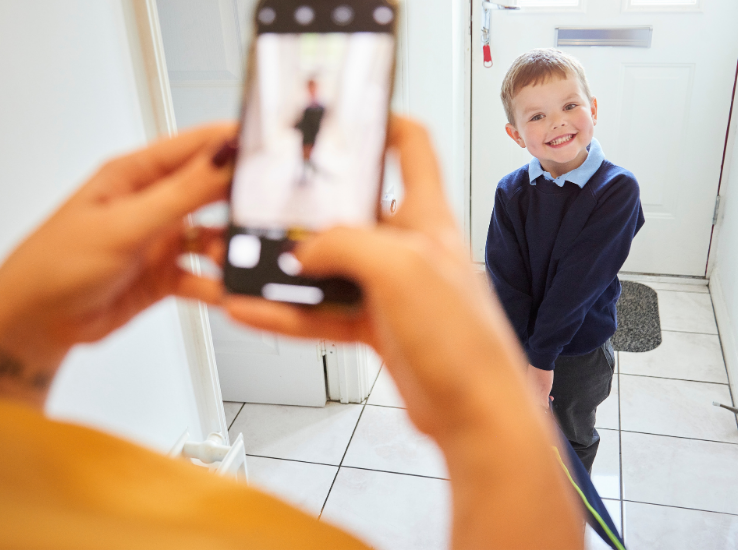
Taking a first day of school photo is one of the most loved traditions, and for good reason. It freezes a moment in time — the uniform neatly worn, the shoes freshly cleaned, the smile a mix of excitement and nerves.
Some families take the photo at the same spot every year: by the front door, in front of the house, or in front of the school. Others include a small sign showing the child’s age, class level, or a short message like ‘Excited to learn’ or ‘Ready for Year 1!’
Years later, these photos tell a powerful story of growth. They remind children of how far they have come and help parents reflect on the journey they have shared together.
2. Create a Calm and Unhurried Morning
The tone of the morning often sets the mood for the entire day. A rushed, stressful start can heighten anxiety, especially for younger children or those who feel nervous about school.
Waking up slightly earlier than usual, preparing school items the night before, and allowing extra time can make a noticeable difference. Even a short, calm breakfast together creates a sense of stability and reassurance.
Some families play soft music, say a short prayer, or simply sit quietly while eating. These small routines remind children that the day begins with care and intention.
3. Share Encouraging Words That Stay with Them
Words spoken before school can stay in a child’s mind long after they leave home. A simple message of encouragement can become a source of strength during challenging moments in the day.
Some parents whisper encouraging phrases, while others write short notes to slip into lunchboxes or pencil cases. These messages do not need to be long — sincerity matters more than length.
Phrases like ‘Be kind,’ ‘Try your best,’ or ‘I’m proud of you’ help children understand that what matters most is their effort, attitude, and character, not just their grades.
4. Create a Back-to-School Bucket List
A back-to-school bucket list is a fun and meaningful way to help children look forward to the months ahead. Instead of focusing only on academic results, this list encourages children to think about experiences, growth, and small goals they hope to achieve during the school term. These can be simple and realistic, such as:
- Making a new friend
- Joining a club or school activity
- Reading a certain number of books
- Becoming more confident in speaking up
- Trying a new sport or art activity
The bucket list can be written in a notebook, decorated on a piece of paper, or even kept digitally. What matters is that it belongs to the child and reflects their interests and hopes.
5. Make Time for a Meaningful After-School Check-In
School may be over for the day, but children continue to reflect on it. Parents’ support and response at home play an important role in guiding their learning mindset.
Instead of asking questions that invite one-word answers, try open-ended prompts such as:
- ‘What made you smile today?’
- ‘What was something new you experienced?’
- ‘What was the most interesting part of your day?’
When parents listen without judging, children feel comfortable sharing. Even after a tough day, being heard helps them feel safe and supported.

6. Mark the Day with a Small Family Moment
Ending the first day with a simple family activity helps bring closure and reinforces the idea that school is part of a balanced life.
This could be a shared dinner, a short walk, a favourite dessert, or even quiet time together at home. The goal is not celebration, but connection.
Some families also create a small memento — a drawing, a short-written reflection, or a little note about something they learned that day. Over time, these become meaningful records of growth and confidence.
7. Back to School Traditions Around the World
Families around the world mark the start of a new school year in meaningful ways. Here are a few simple examples:
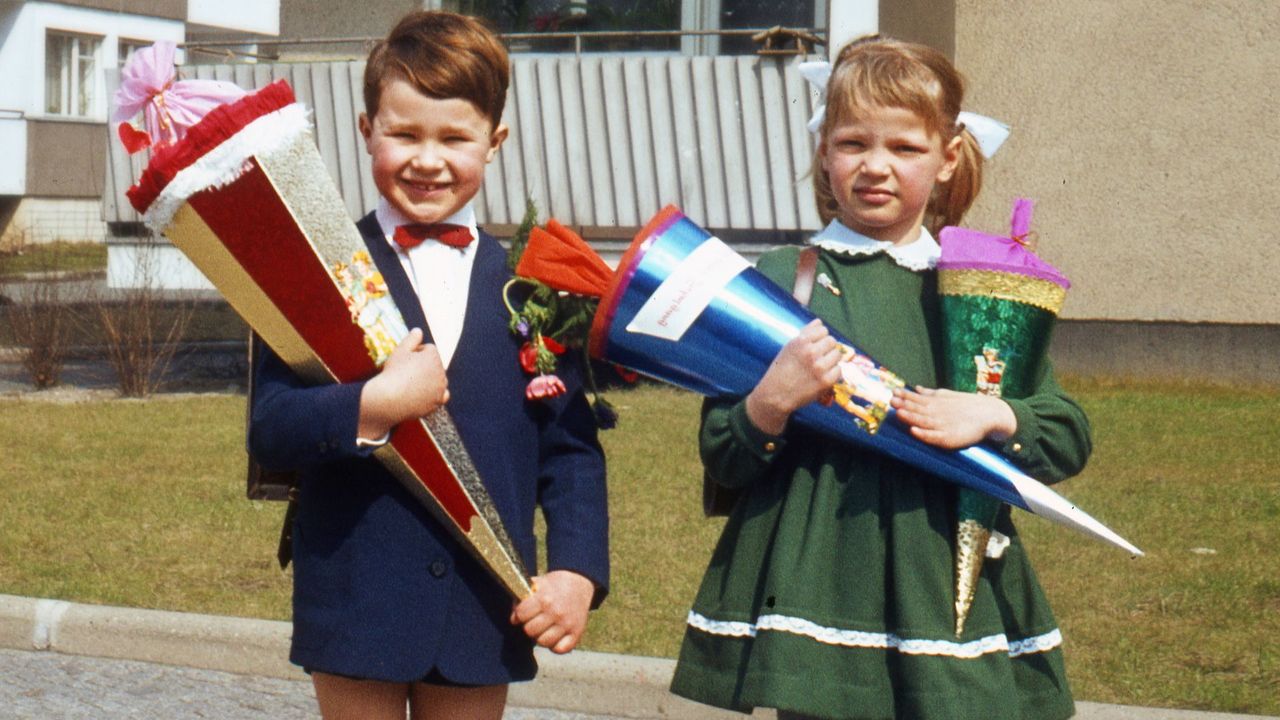
- Germany: Children starting first grade receive a Schultüte — a giant, colourful cone filled with goodies and stationery to celebrate their first day of school.
- Japan: Many children are gifted a randoseru, a traditional backpack, as a symbol of responsibility and a fresh start in their school journey.
- Russia: September 1 is both the first day of the school year and the Day of Knowledge. On this day, students dress smartly, bring flowers for their teachers, and gather for a school celebration. A first-grade girl traditionally rings a bell to officially begin the school year.
These traditions show that no matter where children go to school, families everywhere find special ways to make the first day exciting, meaningful, and memorable.

Back to school traditions do more than ease first day nerves — they help children feel supported and teach them that learning, effort, and family encouragement are important. When children feel safe and emotionally supported, they are more likely to face new challenges with curiosity and confidence, understanding that mistakes are part of learning and growth. The first day of school may bring tears, forgotten items, or unexpected emotions, and that is completely normal. What matters most is that children feel capable and know they are never alone as they step into a new chapter.
For parents, these traditions provide a chance to stay connected with their children, not by controlling every step, but by walking alongside them as they grow. By maintaining simple, thoughtful rituals, parents can help their children start the school year with comfort, confidence, and a positive mindset, setting the tone for a year full of learning, growth, and emotional strength.
开学传统:赋予第一天特别意义
开学第一天不仅仅是日历上的一个日期。它象征着一次重要的转变,从假期走向学习,从放松回归责任,也意味着孩子从一个成长阶段迈向下一个新阶段。对于孩子来说,这一天可能带来兴奋、好奇、紧张,甚至是三者兼具。对于家长来说,这一天常常伴随着一份默默的自豪、关心和期望。
无论孩子的年龄多大,新学期的开始在情感上都是重要的。这就是为什么简单的开学传统如此重要:它们能让孩子感到被支持,减少焦虑,把开学第一天视为积极而有意义的时刻,而不是压力或负担。开学传统不必复杂或费时,往往是那些小小的举动,最容易留下深刻印象,成为孩子珍贵的回忆。
为什么第一天的传统如此重要?
孩子在安全感和可预期的环境中更容易成长。新学年的开始会带来许多变化,包括新老师、新同学和新作息,这些变化有时会让孩子感到不安。熟悉的家庭习惯和开学传统可以在这些变化中给孩子提供支撑,让他们知道无论学校遇到什么挑战,家始终是一个稳定、充满支持的地方。
随着时间的推移,这些习惯能帮助孩子变得更加情绪稳定,并具备更强的适应能力。他们学会面对变化、处理新情况,并以自信和平静的心态迎接挑战。家长通过保持稳定、可预期的日常,为孩子提供了不仅能应对开学第一天,也能面对生活中各种变化的支持。
1. 捕捉开学第一天的瞬间
拍摄开学第一天的照片是最受欢迎的传统之一,也有充分的理由。它记录下一个特别的瞬间—整齐穿好的校服、刚擦干净的鞋子,以及带着兴奋与紧张交织的笑容。
一些家庭每年都会在同一个地点拍照:门口、家前或者学校前。有的家庭会加上小标牌,写上孩子的年龄、班级或简短的信息,如“期待学习”或“准备好上一年级!”多年后,这些照片能讲述成长的故事,提醒孩子他们走过的路,也让家长回顾陪伴孩子的旅程。
2. 创造平静、不匆忙的早晨
早晨的氛围往往决定整天的心情。匆忙和紧张的开始可能增加焦虑感,尤其是对年幼或紧张的孩子。
若能提前起床、前一晚准备好物品,并预留足够时间,早晨就能变得更平静和有序。即使是一顿简短、平静的早餐,也能带来稳定感和安全感。一些家庭会播放轻音乐、说简短的祷告,或者静静地一起用餐。这些小习惯提醒孩子,新的一天从关心和用心开始。
3. 用鼓励开启孩子美好的一天
开学前的话语会长久留在孩子心中。简单的鼓励信息能在孩子面对困难时成为力量来源。
有的家长会轻声说鼓励的话,有的则会写在午餐盒或文具盒里。内容不必长,真诚最重要。
像“友善待人”、“尽力而为”或“我为你感到骄傲”这样的短句,让孩子明白最重要的不是成绩,而是努力、态度和品格。
4. 制作开学愿望清单
开学愿望清单是让孩子期待新学期的有趣方式。这份清单不仅仅关注学业成绩,更鼓励孩子思考在学期中希望获得的经历、成长,以及想要实现的小目标。这些目标可以简单、实际,例如:
- 结交新朋友
- 参加学校社团或校内活动
- 阅读一定数量的书籍
- 更有自信地表达自己
- 尝试新的运动或活动
孩子可以把愿望清单写在笔记本上、贴在纸上,甚至保存到电子设备里。最重要的是,这份清单反映的是孩子自己的兴趣和期望。
5. 安排时间进行有意义的放学交流
虽然学校一天结束了,但孩子仍在回想一天的经历。家长在家对孩子的关心和回应,会帮助孩子形成积极的学习态度。
不要只问能简单回答的问题,可以用开放式问题引导孩子,例如:
- “今天什么事情让你开心?”
- “你今天有尝试新的事物吗?”
- “今天最有趣的部分是什么?”
当家长不带评判地倾听时,孩子会更愿意分享。即使经历了艰难的一天,被倾听也能让孩子感到安全和被支持。
6. 用小家庭活动标记这一天
用简单的家庭活动结束开学第一天,有助于收尾,并强化学校是生活的一部分。
这可以是一顿共享晚餐、一段短暂散步、喜欢的甜点,或者在家里安静地相处。重点不在庆祝,而在于与孩子的连接。一些家庭还会留下小纪念,例如一幅画、一段短文或记录当天学到的事情。随着时间的积累,这些都会成为珍贵的成长与自信记录。
7. 世界各地的开学传统
世界各地的家庭都有为新学年做特别安排的传统。以下是几个简单例子:
- 德国:一年级新生会收到一只巨大的彩色纸锥(Schultüte),里面装满零食和文具,庆祝开学第一天。
- 日本:许多孩子会收到传统书包(randoseru),象征责任感和新学期的开始。
- 俄罗斯:9月1日既是新学年的第一天,也是“知识日”。这一天,学生们会穿得整洁得体,给老师献花,并参加学校的庆祝活动。通常由一年级的女生敲响铃铛,正式开启新学年。
这些传统表明,无论孩子在世界的哪个角落上学,家庭都会用特殊方式让开学第一天充满意义和快乐。
开学的传统不仅可以缓解孩子在第一天的紧张情绪,还能让他们感受到支持,同时理解学习、努力和家庭关怀的重要性。当孩子感到安全并获得情感支持时,他们更容易以好奇和自信的态度面对新的挑战,也明白犯错是成长的一部分。开学第一天出现泪水、忘带物品或情绪波动都是正常的。最重要的是,孩子知道自己有能力,并明白在踏入新篇章时从不孤单。
对于家长来说,这些传统也是与孩子保持联系的好机会,不是去控制每一步,而是陪伴孩子共同成长。通过一些简单而有意义的仪式,家长可以帮助孩子以安心、自信和积极的心态开启新学期,为一整年的学习、成长和情感发展打下良好基础。
Check out more articles to read: