







For many parents, choosing an international school starts with the usual questions about curriculum, results, facilities, university pathways and more. These matter. But once the decision is made and the school year begins, something else quietly takes over.
Daily life changes.
School choice doesn’t just shape how children learn. It reshapes mornings, evenings, weekends, friendships, travel plans and even how families spend time together. In many ways, choosing an international school is choosing a lifestyle—one that extends far beyond the classroom.
Mornings Set the Tone
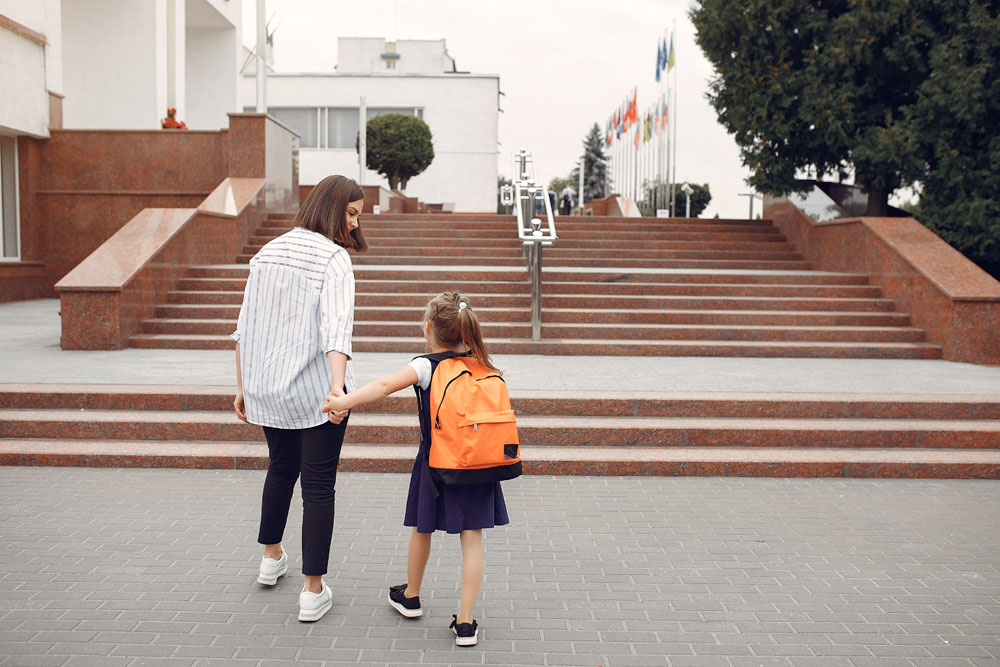
The school day starts earlier than most parents expect. Uniforms, lunches, traffic, drop-off queues—mornings quickly become a household rhythm rather than a simple routine.
A long commute can mean rushed breakfasts and sleepy car rides. A nearby campus can create calmer mornings and more family interaction before school. Over time, these small differences add up. Parents start making adjustments to work schedules. Children learn to modify their sleep habits to suit their school schedule. Family mornings become either a daily sprint or a shared pause before the day begins.
This is often the first lifestyle shift parents notice—and one of the most lasting.
Afternoons Are No Longer ‘Free Time’
In many international schools, the school day doesn’t end when lessons do. Sports training, music practice, clubs, competitions, rehearsals, service programmes—all often spill over into the late afternoons or sometimes even into the evenings.
For children, this can be energising and confidence-building. For families, it reshapes evenings. Dinner takes place later. Homework happens between activities. Parents become drivers, cheerleaders and time-keepers.
Some families thrive in this structure. Others find it exhausting.
The key difference isn’t whether activities are ‘good’ or ‘bad,’ but whether they fit into the family’s natural pace. A school known for packed afternoons sets a very different tone from one that prioritises shorter days and more home time.
Homework Redefines Evenings
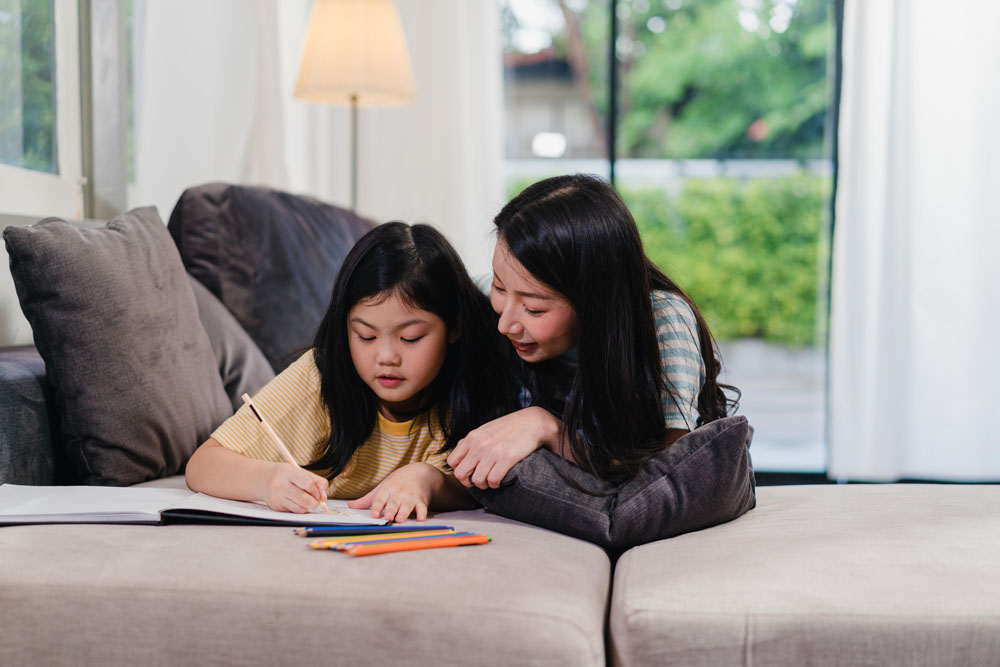
International schools vary widely in homework expectations, but almost all bring a steady rhythm of projects, reading, group work and preparation.
Evenings become structured. Weeknights are no longer entirely spontaneous. Family dinners may include conversations about deadlines and presentations. Kitchen tables turn into planning zones.
This can be positive—children learn independence, organisation and follow-through. But it also means parents play a more active role, especially in the early years.
The lifestyle question is not how much homework exists, but how it fits into family life. Does it leave space for rest, conversation and unplanned moments?
Weekends Tell the Real Story
If you want to understand a school’s culture, look at how families spend their weekends.
International school weekends often include sports tournaments, birthday parties, rehearsals, competitions, enrichment classes and community events. Calendars fill quickly. Sundays feel shorter than they used to.
For some families, this creates a strong sense of belonging. Children grow up surrounded by friends and shared activities. Parents form social circles around the school community.
For others, the pace can feel relentless.
This is where lifestyle alignment becomes critical. A school that thrives on constant engagement works well for families who enjoy busy schedules. Families who value slow weekends may prefer a school that places clear boundaries around time.
Holidays Are Not All Equal
One of the perks of international education is flexibility around learning styles—but holiday schedules can be both a blessing and a challenge.
Longer breaks enable family travel outside peak seasons. Learning becomes experiential: museums, nature, different cultures. Children often return with broader perspectives.
But holidays also require planning. Camps, enrichment programmes, childcare, travel budgets—these become part of family logistics. Parents may need to juggle work arrangements around school calendars that don’t align with local systems.
Over time, families find themselves travelling differently, planning differently and thinking more deliberately about how breaks are spent.
Social Circles Shift Quietly
School choice influences not just children’s friendships, but parents’ social lives too.
International schools tend to foster close-knit communities. School events, class chats, parent groups and weekend gatherings create frequent interaction. Friendships form around shared values, experiences and schedules.
For many families, this becomes a new social anchor. Playdates replace casual meetups. Conversations shift from small talk to school choices, enrichment options and future pathways.
This sense of community can be deeply comforting—but it can also feel insular if families don’t actively strive to achieve some sense of balance by exploring life beyond the school environment as well.
Values Show Up at Home
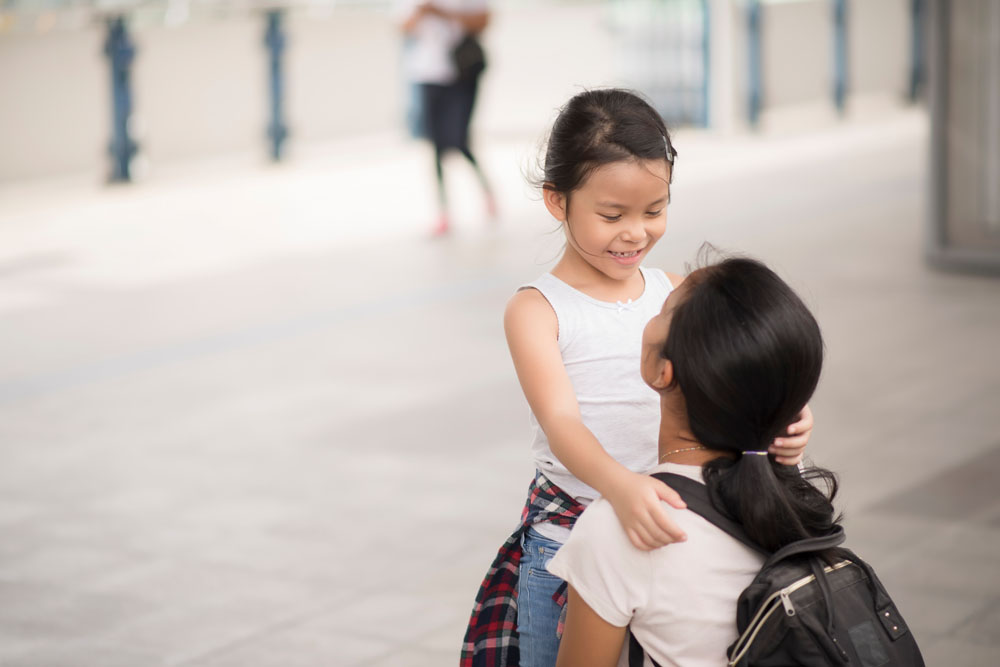
International schools often emphasise global awareness, creativity, collaboration and independent thinking. Over time, these values begin to impinge on home life, too.
Children question ideas. They discuss world issues at dinner. They approach problems with confidence and curiosity. Families may become more open to travel, language learning and different perspectives.
This influence is subtle but powerful. The school’s philosophy gradually blends into family conversations and expectations.
Parents sometimes realise later that they didn’t just choose a curriculum—they invited a set of values into their home.
The Cost Is Not Just Financial
Tuition is a clear consideration, but lifestyle costs are often overlooked.
Transport, uniforms, enrichment activities, trips, competitions, learning resources and social commitments add up. So does time. Parents invest hours in driving, planning, volunteering, and supporting.
None of this is inherently negative. Many families see it as worthwhile. But being aware of these commitments early helps avoid stress later.
Lifestyle fit is about sustainability, not perfection.
Fit Beats Prestige
One of the biggest misconceptions is that a ‘good’ school automatically equals a good experience. In reality, the right school is one that aligns with how a family lives—or wants to live.
A highly rigorous school schedule suits families who thrive on structure and challenge. A more holistic environment suits families who value balance and emotional development. as well A globally mobile school works for families used to transitions.
Prestige fades quickly if daily life feels strained.
When families choose a school with lifestyle in mind, children often settle down better to school routines, parents experience less pressure and the school journey becomes more enjoyable.
Asking the Right Questions
Beyond academic outcomes, parents may also want to ask:
- How will our mornings look?
- What will our evenings feel like?
- How busy are weekends likely to be?
- How involved do parents need to be?
- Does this pace suit our family right now?
These questions don’t appear in brochures, but they do shape everyday life.
More Than a School Decision
Choosing an international school is not just a question about where children study. It’s also about how families live.
The right choice supports learning, yes—but it also supports family rhythms, relationships and their overall well-being. When school and lifestyle align, education stops feeling like a trade-off and starts feeling like a natural extension of home life.
And that is when the school journey truly works—quietly, daily and in ways that matter most.