









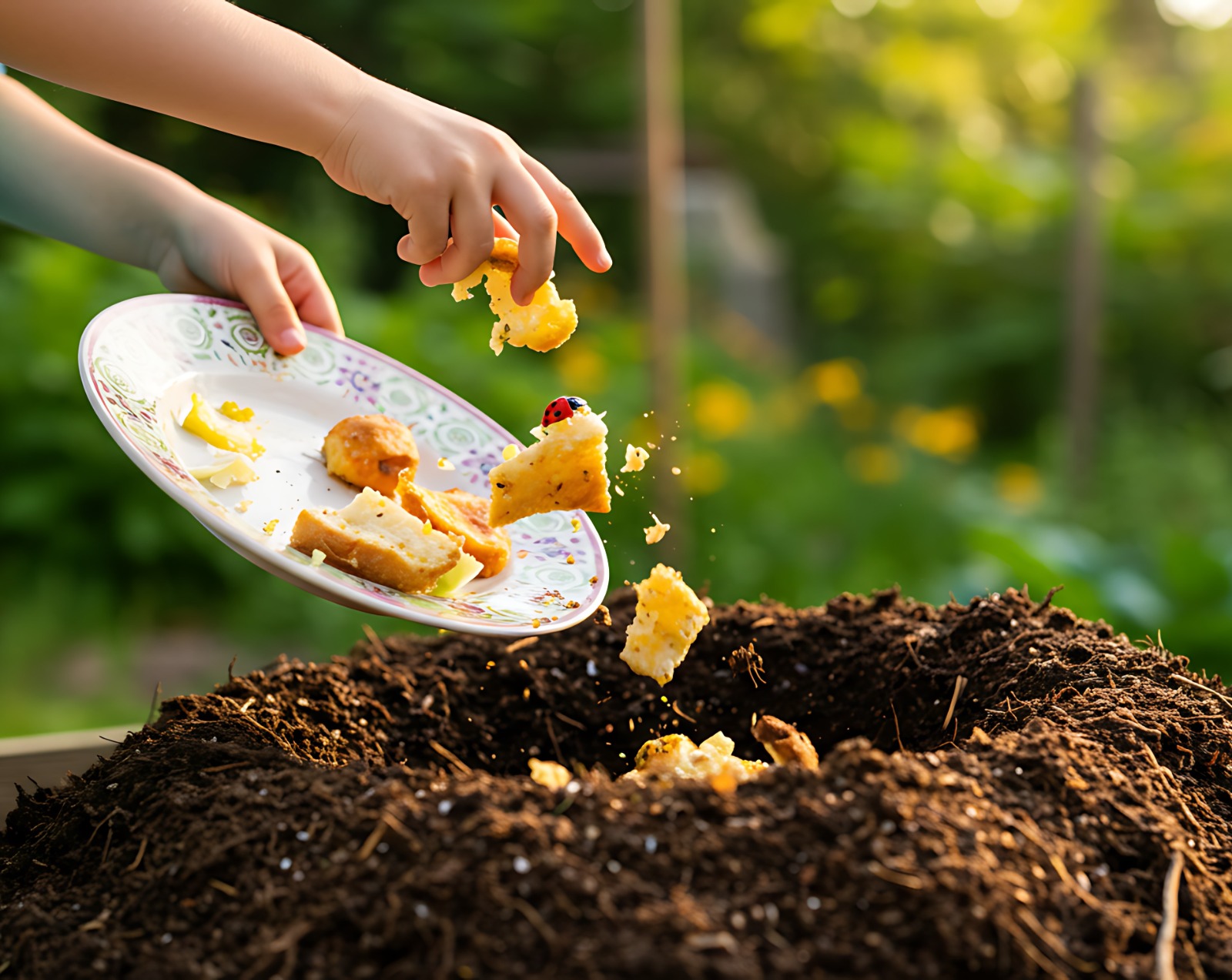
Reduce your household waste and create your own valuable compost with a simple setup. It’s an easy way to recycle, and it’s a fantastic activity to get kids excited about nature.
Ready, Set, Compost
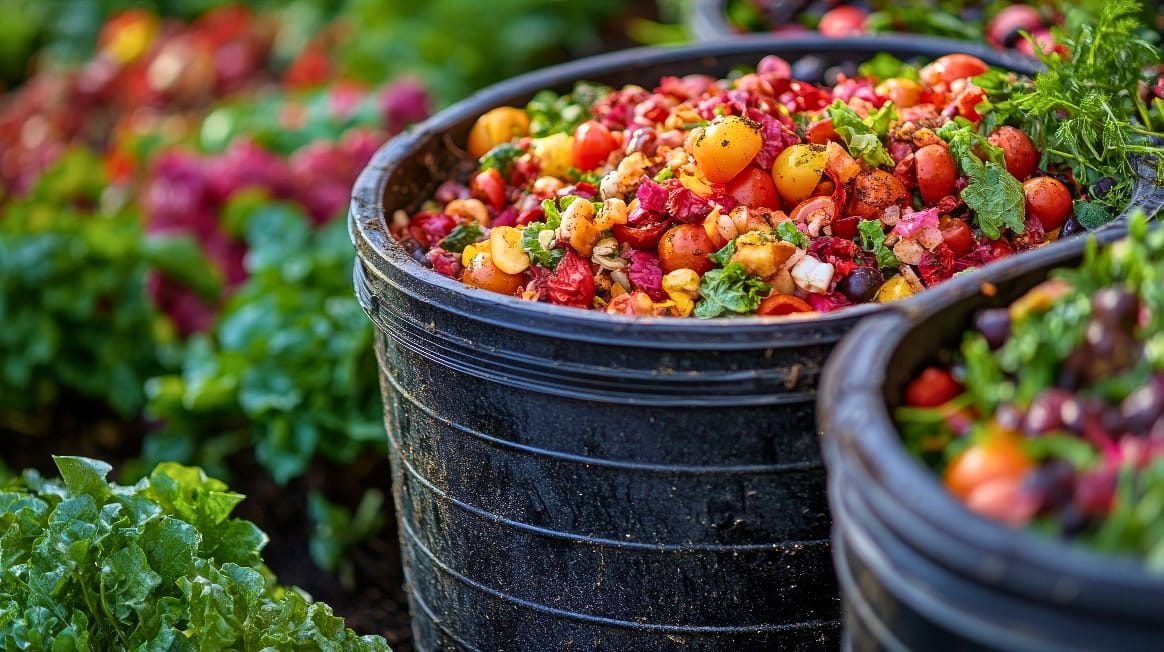
It’s easy to get started on food composting. You’ll be lowering your carbon footprint by reducing methane emissions from landfills and you’ll create a special fertiliser that will help your garden grow!
One simple way is to grab a lidded plastic storage bin and make holes with a screwdriver. Punch holes all over the lid, sides and bottom of the container. Then place the bin on top of a plastic tray, and put it in the garden. The tray will catch any liquid that drains from the bin.
Don’t let those food scraps slide into your trash can!
What Goes In To The Compost Bin
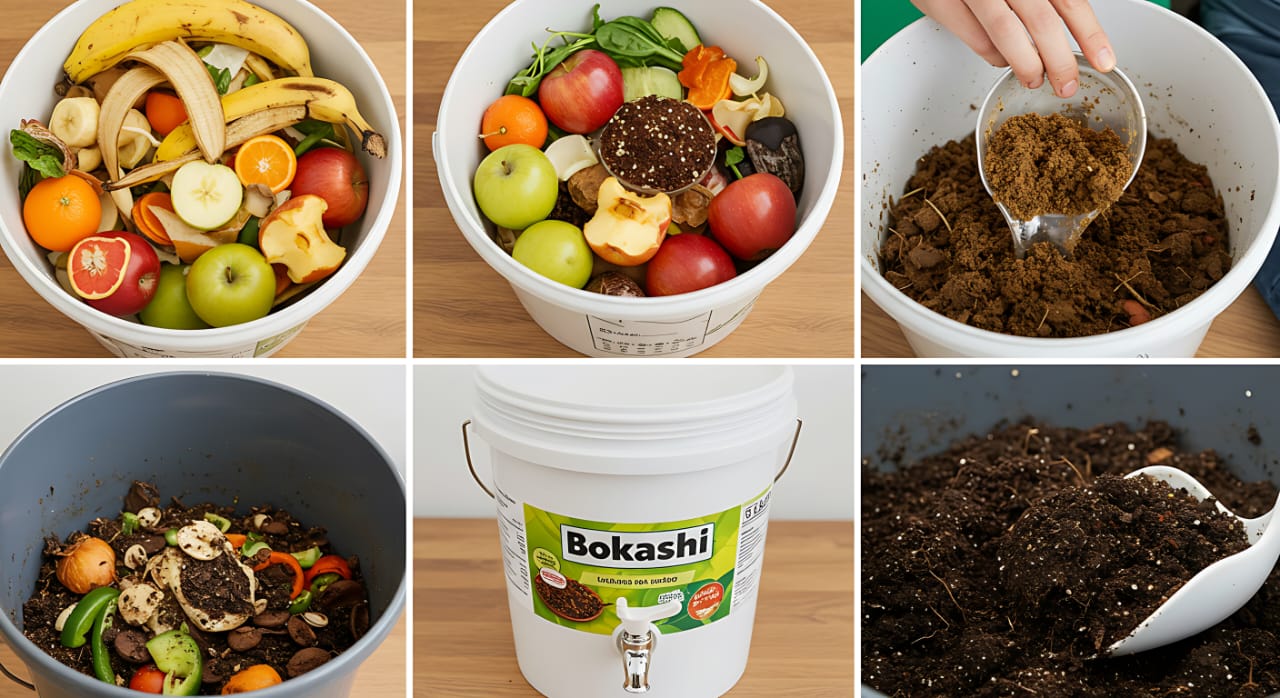
The most nutritious compost contains four things: air, water, “brown” materials and “green” materials. Brown materials are often dry things like dead leaves, torn-up paper or pieces of cardboard. Here are some other items that can go into the compost bin:
Fruit and vegetable scraps: Apple cores, banana peels, and other plant-based leftovers.
Coffee grounds and paper filters: A great addition to the compost mix.
Crushed eggshells: Rinse them first for best results.
Tea bags: Make sure they are paper and don't have staples.
Start with a layer of "browns" (like dry leaves or shredded paper) on the bottom then add a layer of "greens" (food scraps) on top. Always cover the food scraps with a layer of "browns" to prevent odours. Add a little water to keep it moist, but not soggy.
Avoid, if possible, dairy, milk, fish, fat and cooked food as they can also stink and attract pests.
For more exciting activities available at Fireflies Early Years School, contact 012 290 9809.