













The environment is facing growing challenges such as pollution, climate change, and deforestation. Teaching children about sustainability has become more important than ever, as the habits they develop today will influence the world they live in tomorrow. When children learn to appreciate and care for nature, they grow into more mindful and responsible individuals. Their natural curiosity and enthusiasm make it easy for them to adopt simple green habits, such as recycling, saving water, and reducing waste. With the right guidance, these small actions can create a lasting, positive impact on the environment.
Making ‘Green’ Education Fun and Practical
Children learn best when learning feels hands-on, fun and connected to real life. Rather than long lectures about pollution or climate change, schools and parents can create interactive experiences that turn eco-friendly practices into exciting discoveries.
Here are some meaningful ways to motivate children to go green — both at home and in school.

1. Turn Recycling into a Game
Recycling can be a simple and fun way to teach children about environmental care. Instead of treating it as a household chore, turn it into a game or competition.
Create colour-coded bins for different materials — paper, plastic, glass, and metal. Challenge children to see who can sort out items correctly or collect the most recyclables in a week. Teachers can organise classroom contests such as:
- Which team can create the most creative item from recycled materials?
- Which group can collect and decorate the most plastic bottles for a classroom recycling project?
By gamifying recycling, children learn that waste doesn’t have to be ‘rubbish.’ It can be transformed into something new — and that mindset shift is a vital part of sustainability.
2. Start a Mini Garden
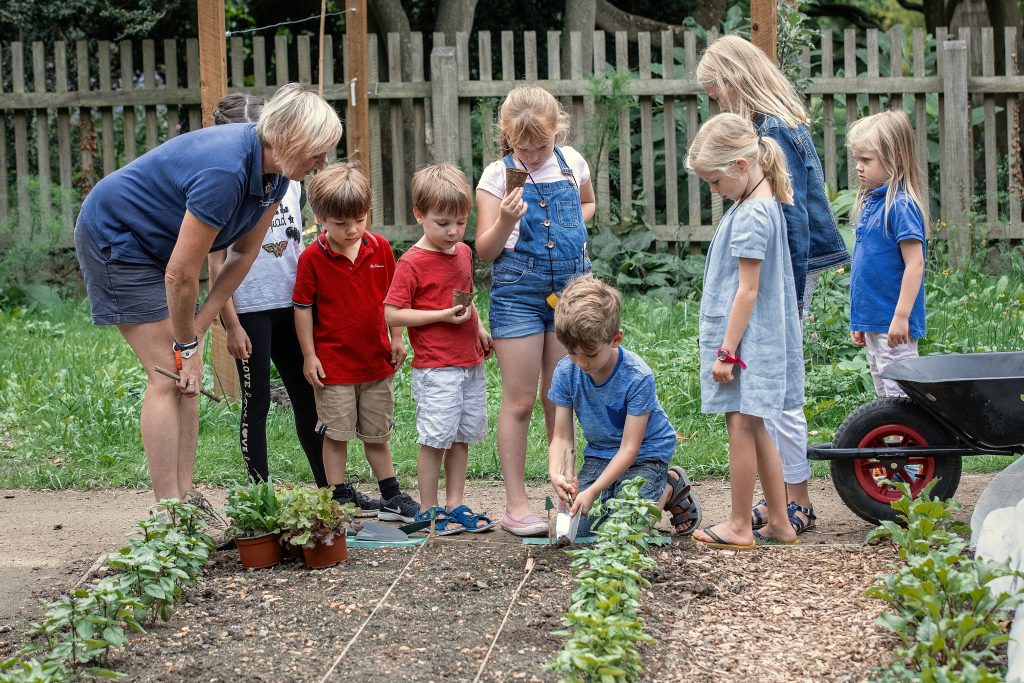
Planting is a wonderful way for children to understand nature. Even a few pots on a balcony or a corner in the schoolyard can teach powerful lessons about life cycles, growth and responsibility.
Children can plant herbs like pandan, mint or lemongrass, or easy-growing vegetables such as spinach or chillies. Watching their plants grow gives them a sense of pride and ownership. Schools can also create eco-gardens or organise gardening clubs where students take turns watering and caring for plants.
To make planting more fun, schools can organise simple gardening challenges, such as whose plant grows the fastest or who can build the most unique mini garden layout. These hands-on activities help children to learn to care for nature and understand how small actions can make a big difference to the environment.
3. Encourage Reusable Habits
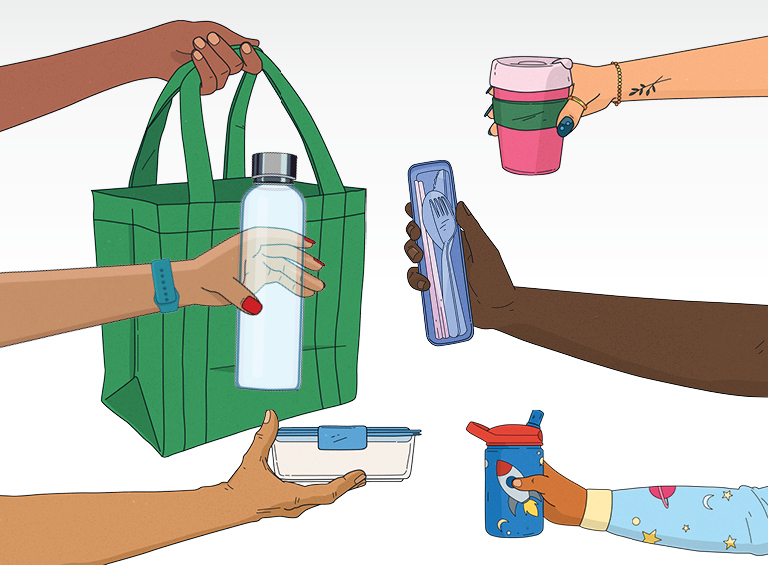
To raise environmentally conscious children, start by encouraging them to use reusable items. Replace single-use plastics with durable alternatives like metal water bottles, cloth bags, and lunchboxes.
Children love personalisation. Let them decorate their bottles or bags with stickers or drawings — this makes the idea of reusing items more exciting.
At school, teachers can hold ‘Eco Days’ where students bring only reusable containers or participate in a ‘Plastic-Free Friday.’ These small changes, when done regularly, help children form strong green habits that last a lifetime.

4. Create Art from Waste
Art activities are a creative and enjoyable way to promote recycling and reusing. Instead of buying new materials, encourage children to make artwork or crafts from items that would otherwise be thrown away.
Some fun project ideas include:
- Turning plastic bottles into flower pots
- Using egg cartons to create animal figures
- Making mosaics or collages from old magazines
- Building toy cars from cardboard boxes
Many schools in Malaysia can start organising Art Days With Recycling,’ where students showcase their eco-creations. These projects encourage resourcefulness, creativity, and environmental awareness all at the same time.
5. Lead by Example
The most effective way to motivate children is through example. When parents and teachers consistently practice eco-friendly habits — such as recycling, conserving electricity, and bringing their own bags — children naturally emulate these behaviours.
Families can make green living a shared routine:
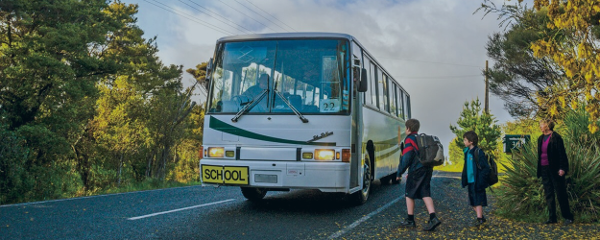
• Take public transport instead of short car rides.
• Collect and reuse rice-washing water for watering plants.
• Start a small compost bin for food scraps and garden waste.
When sustainability becomes part of daily life, children grow up seeing it as natural — not something extra or difficult.

6. Save Energy Together
Small changes in daily routines can make a big difference. Encourage children to switch off lights, fans, and devices when not in use. Show them how saving energy reduces pollution and conserves resources.
Families can also take part in Earth Hour, a global event held every year on the fourth Saturday of March, from 8:30p.m. to 9:30p.m., when millions of people around the world switch off their lights for one hour to show their commitment to protecting the Earth. Use this time for fun family activities like storytelling by candlelight, stargazing, or playing board games in the dark. It’s a simple yet meaningful way to teach children that caring for the environment starts with small actions at home.
Benefits of Going Green for Children
Teaching children to adopt eco-friendly habits not only helps protect the planet but also supports their personal growth and development. By learning to care for the environment from a young age, children cultivate valuable life skills and build attitudes that benefit both themselves and the world around them.
- Supports a Healthier Environment: Green habits, such as reducing waste, conserving resources, and planting greenery, help create a cleaner and more sustainable environment. These actions not only benefit the planet but also teach children the importance of caring for the world around them.
- Develops Responsibility: Teaching children to care for the environment helps them understand what responsibility means. When they take charge of small tasks like recycling or watering plants, they understand the impact of their actions and develop a sense of accountability.
- Boosts Creativity and Problem-Solving Skills: Eco-friendly activities, like creating art from recycled materials or finding ways to reduce waste, stimulate creativity. These experiences encourage children to think critically and develop innovative solutions to challenges.
- Builds Awareness of Environmental Issues: Learning about sustainability, pollution, and climate change raises children’s awareness of important global issues. This knowledge empowers them to make informed and thoughtful decisions in their daily lives.
Introducing children to green habits is a meaningful way to help them grow into responsible, caring and thoughtful individuals. By taking part in activities such as recycling, planting, conserving energy and reducing waste, children learn that even small actions can make a real difference for the environment. These experiences also help them develop and enhance important skills and qualities like creativity, problem-solving and mindfulness, while fostering at the same time a stronger connection with nature and a greater awareness of the world around them.
When children practice eco-friendly habits regularly, they begin to understand the importance of sustainability and the role they can play in protecting the planet. By learning to care for the environment early, children build habits and values that will enable them to make thoughtful choices and take positive actions for a greener and healthier future.