









Children today grow up in a world where expectations are high and time moves quickly. From a young age, many children are expected to perform well academically, take part in enrichment activities, manage social relationships, and meet personal goals. While challenges can help children learn and grow, too much pressure can affect their emotional well-being, confidence, and attitude towards learning.
Learning how to manage pressure is not a skill that is automatically acquired. Children need guidance, support, and time to develop healthy ways of coping with expectations. Parents and educators play an important role in helping children understand pressure, respond calmly to challenges, and maintain a balanced approach to success.
Understanding the Different Types of Pressure Children Face
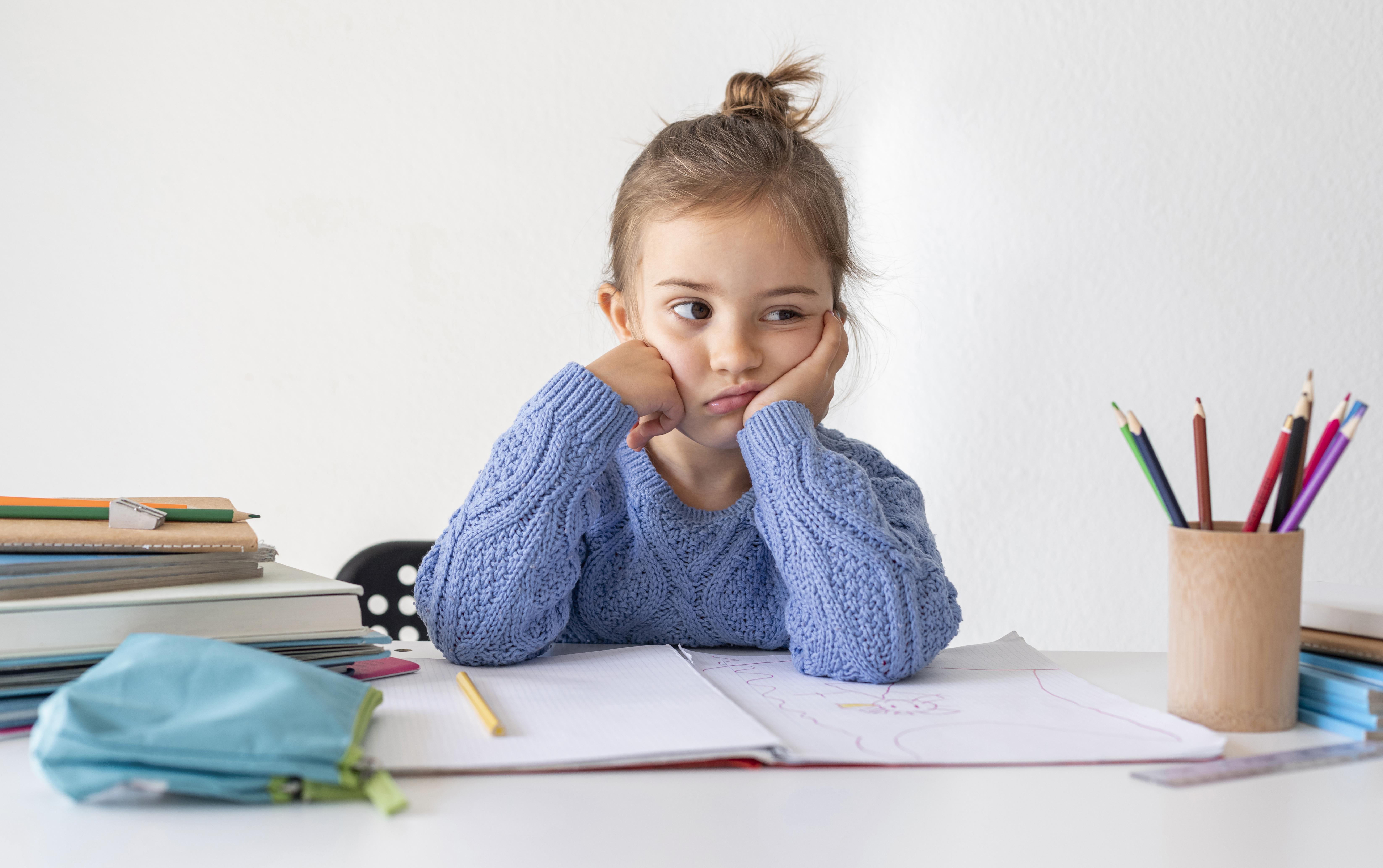
Pressure may come from many sources, and it often builds up over time. Academic demands are one of the most common sources. Homework, tests, examinations, presentations, and deadlines can make children feel stressed, especially when they believe they must always perform well.
Social pressure also plays a role. Children may worry about fitting in, maintaining friendships, or being accepted by peers. As children grow older, they may begin comparing themselves to others, which may increase feelings of self-doubt or anxiety.
In addition, some children place pressure on themselves. They may want to meet high personal standards or fear disappointing parents and teachers. The incessant exposure to social media and information can further increase these feelings, as children are made aware of what others have achieved.
Children may not always be able to explain their pressure clearly. Instead, it may take the form of changes in behaviour, such as irritability, tiredness, perfectionism, loss of interest in activities, or avoidance of school work. Recognising these signs early allows adults to respond with care and understanding.
Helping Children Understand Expectations Clearly
Clear and realistic expectations help children feel secure. When expectations are unclear, inconsistent, or too demanding, children may feel confused or overwhelmed. They may not know what is expected of them or how to meet those expectations.
Parents and educators can support children by explaining expectations in clear and simple language. It is helpful to discuss what is important, what is optional, and to sensitize them to the flexibility involved in the fulfilment of these expectations. When children understand priorities, they are better able to manage their time and energy.
Involving children in setting goals, when appropriate, may also reduce pressure. When children take part in the setting of goals, they feel a sense of responsibility and control. This makes expectations feel more achievable and less stressful.

Focusing on Effort Instead of Results
A strong focus on results can increase pressure. When children believe that their value depends primarily on grades, awards, or achievements, they may fear making mistakes or trying new things.
Shifting attention to effort helps reduce this stress. Parents and educators need to acknowledge the preparation and persistence of the children in pursuit of their goals, and the improvement that ensues from their efforts. When effort is rewarded with praise children begin to realize that learning is a process and that progress matters more than perfection.
Effort is something children can control. Results are not always predictable. When children understand this difference, they feel more confident and are more willing to continue learning, even when outcomes are uncertain.
Teaching Children Simple Ways to Manage Stress
Children need practical strategies to manage stress. These strategies do not need to be complex. Simple tools can make a meaningful difference.
Deep breathing helps children calm their minds and bodies when they feel overwhelmed. Short breaks during study time allow children to rest and refocus. Encouraging children to talk about worries helps them release stress instead of keeping it inside.
Daily routines also support emotional balance. Regular sleep schedules, healthy meals, and time for play ensure that children feel stable and secure. When children feel physically and emotionally supported, they are better able to manage expectations.
Helping Children Understand That Mistakes Are Normal
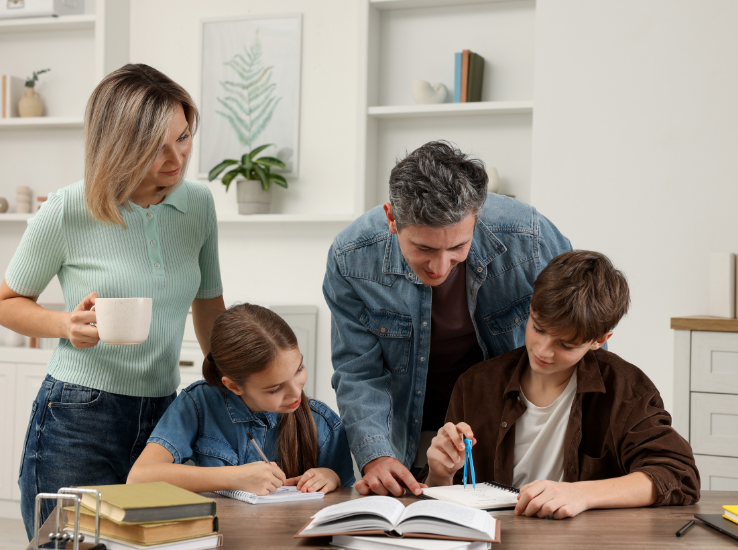
Fear of making mistakes is a common cause of pressure. Some children believe that mistakes mean failure or disappointment.
Adults can change this belief by responding calmly when mistakes happen. Instead of focusing on what went wrong, parents and educators can guide children to think about what they can learn from the experience.
Sharing personal stories about challenges and setbacks helps children understand that mistakes are part of personal growth. When children feel safe making mistakes, they become more confident and willing to try out new things and to experiment with unusual elements they encounter in their environment.
Reducing Comparison and Unhealthy Competition
Comparison often increases pressure. Children may compare their grades, abilities, or achievements with those of others. This can lead to feelings of inadequacy or frustration.
Parents and educators can reduce comparison by focusing on individual progress.
Encouraging children to improve at their own pace enhances the feeling that they are valued for their efforts rather than judged by external standards.
When children learn to measure success based on personal growth, they develop healthier motivation and self-confidence.
Creating a Supportive Environment at Home and School
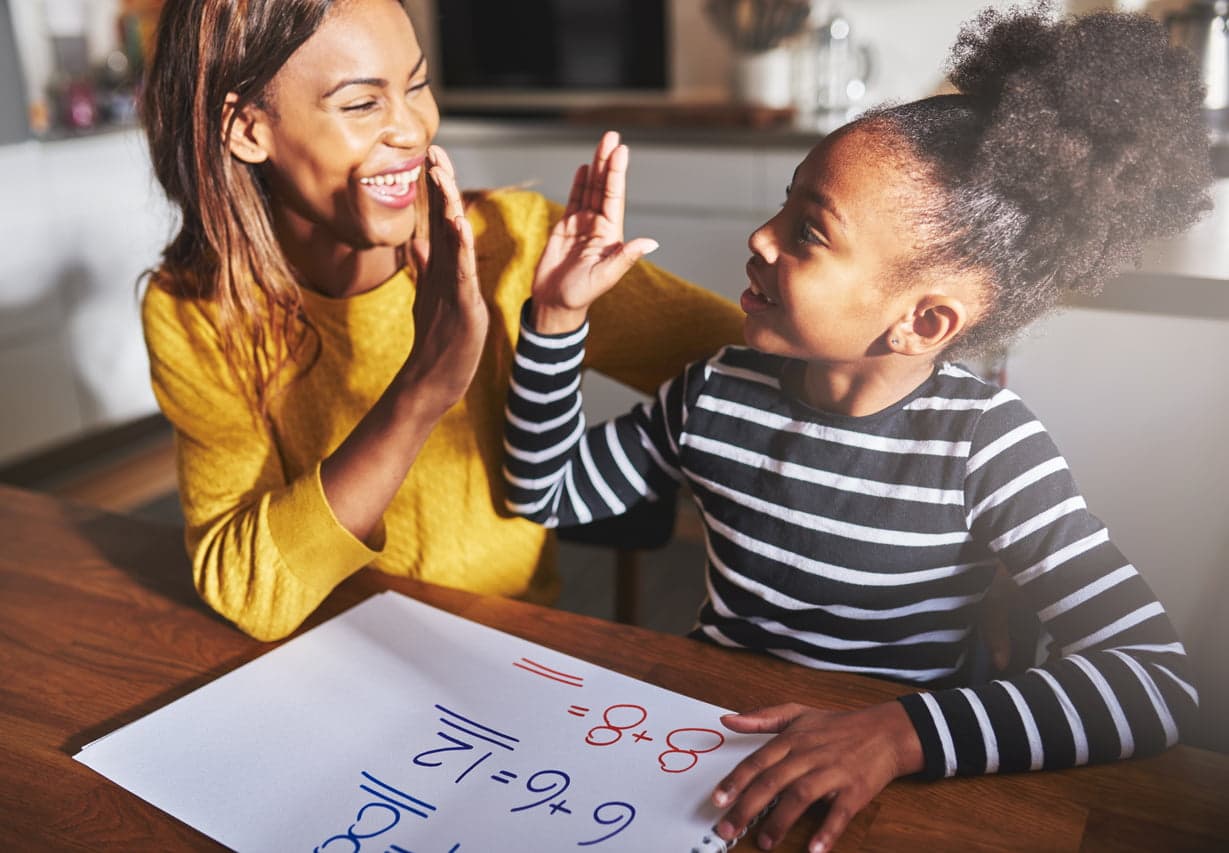
Children cope with pressure better when they feel supported. A supportive environment is one where children feel safe to express concerns, ask questions, and seek help.
Listening carefully to children without immediately judging, correcting or attempting to solve the problem at hand is likely to make them feel understood. Sometimes, children need reassurance more than advice.
When adults remain calm during stressful situations, children learn to manage their own emotions. Respectful communication, patience, and consistency enhance the emotional security of children.
Balancing Expectations With Emotional Well-Being
High expectations may encourage growth, but they must be balanced with attention to the emotional well-being of a child. Too much pressure can lead to stress, anxiety, or burnout.
Parents and schools support balance by reminding children that effort matters more than perfection. Allowing children time for rest, creativity, and personal interests enables them to recharge and stay motivated.
A balanced approach teaches children that success has to do with overall well-being, not just with academic achievement.
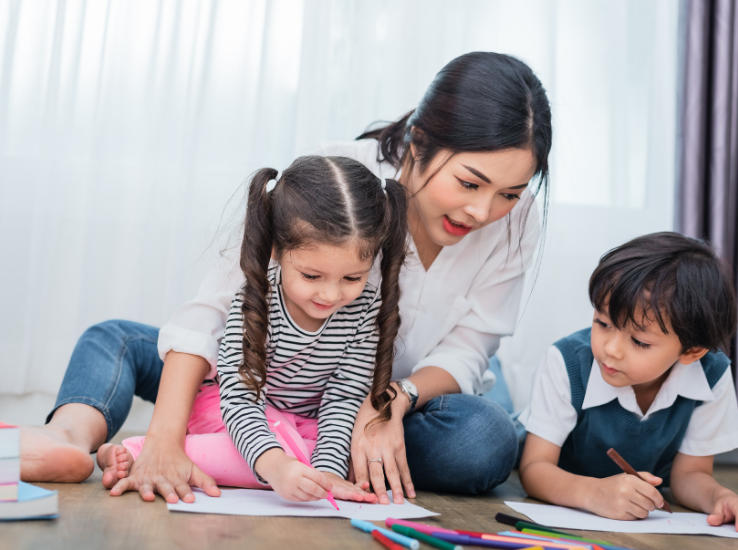
Learning to manage pressure is an important life skill that equips children with the ability to handle change, responsibility, and uncertainty with confidence. Children who develop healthy ways of handling pressure are able to stay calm in new or challenging situations, such as adjusting to a new school or tackling a project. These skills also support learning and personal growth, enabling children to focus better, handle setbacks, and make decisions independently.
Teaching children how to manage pressure and expectations requires patience, consistency, and cooperation of the expert and caring adults at home and at school. Through clear communication, realistic expectations, emotional support, and simple techniques for handling pressure, children learn how to face challenges with confidence, skill and balance.
When emotional well-being is valued alongside learning, children are more likely to enjoy their education, develop self-confidence, and build resilience. These skills support not only academic success, but also long-term personal growth, enabling children become capable and balanced individuals in an increasingly demanding world.
教导孩子如何管理压力与期望
在当今节奏快速的社会中,孩子从小便面对各种高标准与期望。他们不仅需要在学业上取得良好表现,还常常被期望参与课外活动、处理社交关系,并为自己设定个人目标。适度的挑战有助于孩子成长,但过度的压力却可能影响他们的情绪健康、自信心,以及对学习的态度。
学会管理压力并非孩子与生俱来的能力,而是一项需要时间、引导与支持才能逐步建立的生活技能。家长与教育者在这一过程中扮演着重要角色,协助孩子理解压力的来源,以平稳的心态面对挑战,并培养对成功与成长更平衡的看法。
了解孩子所面对的不同压力来源
孩子所承受的压力来自多个方面,而且往往会随着时间慢慢累积。其中,学业压力是最常见的来源之一。功课、测验、考试、课堂展示及各类期限,容易让孩子感到紧张,尤其当他们认为自己必须持续表现优异时。
社交压力同样不容忽视。孩子可能担心是否能融入群体、维系友谊,或获得同伴的认同。随着年龄增长,孩子开始与他人比较,这种比较容易引发自我怀疑或焦虑情绪。
此外,有些孩子也会对自己施加压力。他们可能对自己设定过高标准,或担心让父母和老师失望。持续且频繁地接触社交媒体与大量资讯,也可能进一步放大这些感受,因为孩子们会不断看到他人所取得的成就。
孩子未必能够清楚表达自己所承受的压力,往往会透过行为上的改变表现出来,例如情绪变得急躁、容易疲惫、对完美要求过高、逐渐失去对活动的兴趣,或出现逃避学习任务的情况。若成人能及早留意这些变化,便能以更多理解与关怀,及时给予适当的支持与引导。
协助孩子明确理解所需达成的期望
清晰且合理的期望能让孩子感到安心。当期望模糊、不一致或要求过高时,孩子容易感到困惑与压力,不清楚自己应如何应对。
家长和教育工作者可用清楚简明的语言向孩子说明各项期望,同时帮助他们分辨哪些是重点、哪些是可灵活处理,并让孩子明白在达成这些期望时存在一定的调整空间,这对孩子应对压力非常有帮助。当孩子了解重点与优先顺序时,便更容易管理自己的时间与精力。
在适当情况下,让孩子参与目标设定过程,也有助于减轻压力。当孩子对目标拥有参与感与自主权时,期望会显得更可达成,而非令人负担沉重。
重视努力,而非只关注结果
若过度重视结果,孩子所承受的压力也会随之增加。当他们认为个人价值仅取决于成绩与表现时,往往会害怕失败,甚至不敢尝试新的挑战。
当重心从结果转移到努力本身时,孩子的心理压力也会随之降低。家长和教育者需要认可孩子们在追求目标过程中所付出的准备与坚持,以及他们努力后所取得的进步。当孩子的努力得到赞赏时,他们会逐渐明白学习是一个过程,进步比完美更重要。
努力是孩子可以掌控的部分,而结果并非总是可预测。当孩子理解这一点时,便更有信心持续学习,即使结果未如预期,也不会轻易放弃。
教导孩子简单实用的减压方式
孩子需要一些实际可行的方法来管理压力,这些方式不必复杂,简单的方法也能带来显著的改变。
例如,深呼吸能帮助孩子在感到紧张或不安时稳定情绪;在学习过程中适当休息,有助于恢复专注力;鼓励孩子表达自己的担忧,有助于他们释放压力,而不是把压力憋在心里。
规律的生活作息同样有助于情绪稳定。充足的睡眠、均衡的饮食,以及适当的游戏与放松时间,能让孩子在身心层面获得支持,从而更好地应对各种期望。
帮助孩子明白犯错是正常的
害怕犯错是许多孩子感到压力的重要原因。有些孩子认为犯错代表失败,或会让他人失望。
成人可以通过冷静与正面的回应来改变这种观念。当错误发生时,与其过度关注问题本身,不如引导孩子思考从中学到的经验。
通过分享自己在面对挑战和挫折时的经历,孩子能够明白错误是成长过程中正常的一部分。当孩子觉得犯错是安全的,他们会更有自信,愿意尝试新事物,并敢于探索环境中那些不寻常的元素。
降低比较带来的压力与竞争心态
比较往往会加重孩子的心理压力。孩子可能会将自己的成绩、能力或成就与他人对比,进而产生自卑或挫败感。
家长与教育者可以通过关注孩子的个人进步,来减少不必要的比较。鼓励孩子按照自己的节奏进步,可以让他们感受到自己因努力而被重视,而不是因为外部标准而被评判。
当孩子学会以自我成长作为衡量成功的标准时,更容易建立健康的学习动机与自信心。
构建家庭与学校共同支持的成长氛围
当孩子感受到支持时,更能有效应对压力。支持性的环境意味着孩子可以安心表达想法、提出疑问,并在需要时寻求帮助。
认真倾听孩子的想法,而不立即进行评判、纠正或试图解决眼前的问题,能够让他们感到被理解。有时候,孩子比建议更需要的是安慰。
当成年人在压力情境中保持冷静时,孩子会学会管理自己的情绪。尊重的沟通、耐心和一致性能够增强孩子的情感安全感。
在期望与情绪健康之间取得平衡
高期望有助于孩子成长,但必须兼顾他们的情绪健康。过度的压力可能引发紧张、焦虑或身心疲惫。
家长和学校可以通过强调努力比完美更重要来帮助孩子保持平衡。同时,让孩子有时间休息、发展创意和培养个人兴趣,可以让他们恢复精力,保持学习动力。
这种平衡的方式让孩子明白,真正的成功不仅关乎学业成绩,也关乎整体的身心健康。
学会管理压力是一项重要的生活技能,能帮助孩子更从容地面对变化、责任与不确定性。懂得以健康方式应对压力的孩子,能在新环境或挑战中保持冷静,并在学习与个人成长方面展现更稳定的表现。
教导孩子学会应对压力和期望,需要家庭和学校中有经验且关心孩子的成年人耐心指导、保持一致,并密切合作。通过明确的沟通、合理的期望、情感上的支持,以及处理压力的简单方法,孩子可以学会以自信、熟练和平衡的态度迎接挑战。
当情绪健康与学习同样受到重视,孩子更容易享受学习过程,建立自信,并培养韧性。这些能力不仅有助于学业发展,也为孩子的长期成长奠定稳固基础,使他们在充满挑战的世界中,成长为自信而均衡的个体。