











In today’s globalised world, the ability to speak more than one language is becoming increasingly valuable. For children, learning a second language not only equips them with a practical skill for future academic and career opportunities, but also opens doors to understanding different cultures, fostering empathy and improving communication abilities.
At a young age, children can easily absorb new sounds, vocabulary and sentence patterns, turning language learning into an exciting journey. Their flexible brains allow them to acquire these skills naturally, while the process of learning also sharpens problem-solving abilities, strengthens their capacity for remembering and ignites creativity beyond the classroom.
For parents, the real question isn’t whether their children should learn a second language, but deciding which language will be most beneficial and enjoyable for them. To make the choice easier, here’s a guide to five rewarding and relatively easy languages that children can learn with confidence and excitement.
Five Languages Children Enjoy Learning
1. Spanish
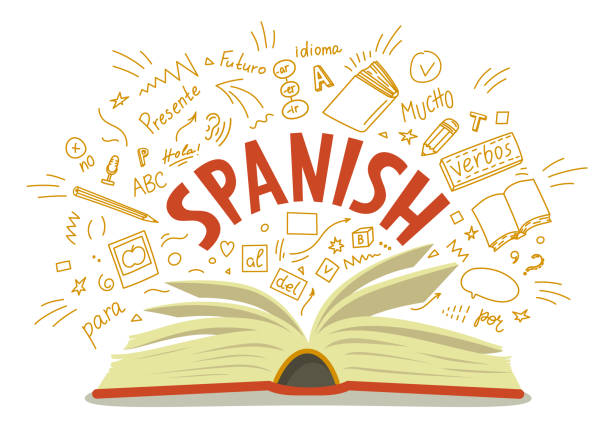
Spanish is often considered one of the easiest languages for English-speaking children. It is the second most widely spoken language in the world by native speakers and others. Its extensive use across Europe, Latin America and the United States makes it a worthwhile language to acquire.
From a learning standpoint, Spanish is phonetic, meaning words are generally pronounced as they are written. This makes it easier for children to read aloud and understand Spanish without having to deal with the confusing exceptions found in English. The grammar is logical and the vocabulary shares many similarities with English words. For example, “familia” (family), “animal” (animal), and “música” (music) are almost identical.
Children love to learn Spanish because of the lively culture associated with it — songs, colourful festivals, and cartoons that make learning exciting. Parents can help by encouraging children to watch Spanish cartoons, sing nursery rhymes, or try simple recipes from Spanish-speaking countries. This way, learning the language becomes part of everyday fun.
2. French
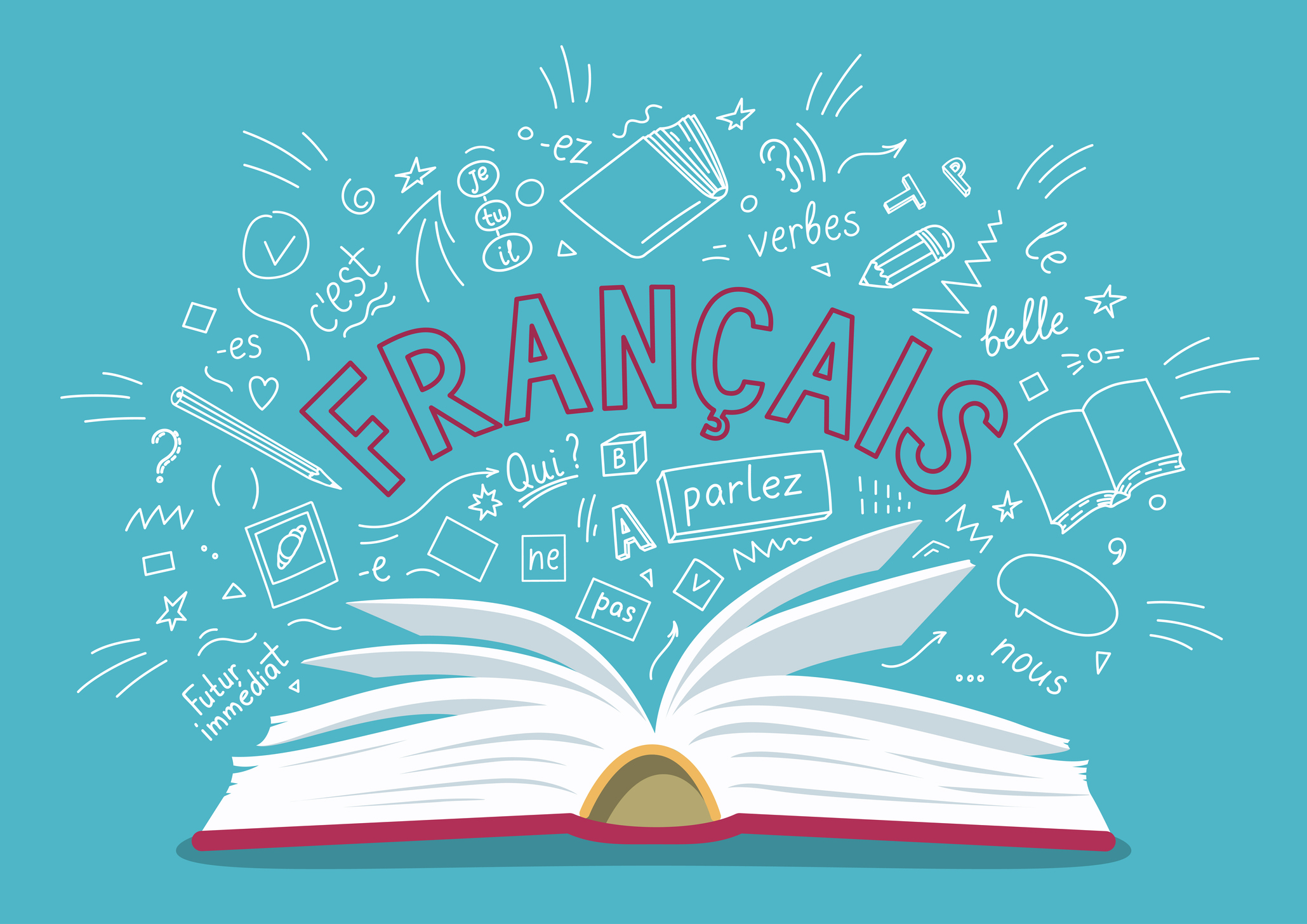
French is known as the language of culture, fashion, and fine dining, and it’s also a great language for children to start learning early. French is spoken across Europe, Canada, Africa and parts of the Caribbean. It is not only a beautiful language but also a useful language to acquire as it is widely used as an official language in international organisations such as the United Nations.
For children, French can be a little more challenging than Spanish, particularly because of the pronunciation. However, its grammar rules are consistent and once mastered, children often find the rhythm of French quite enjoyable. Like Spanish, French has many words that are similar to English, such as “important,” “restaurant,” and “chocolate.”
To make learning fun, parents can make use of songs, stories, and even French cooking. For example, they can teach children how to make crepes or croissants to give them hands-on experiences that make meaningful connections between language and culture.

3. Mandarin Chinese
Proficiency in Mandarin may not be easy to acquire compared to the European languages, but learning the language can be enormously rewarding and of great practical value. As it has the largest number of speakers in the world, learning Mandarin opens doors to understanding one of the world’s oldest civilisations with a thriving economy.
For children, the main challenge lies in the fact that Mandarin uses characters instead of an alphabet. Many children find these characters fascinating, almost like little pictures that tell a story. The tones, which change the meaning of words, may take some time to master, but young learners usually pick them up quickly.
One of the best ways to make Mandarin accessible for children is through songs, rhymes and interactive language apps designed specifically for children. Parents can also introduce Mandarin through cartoons like Pleasant Goat and Big Big Wolf or Chinese TV shows, such as Journey to the West. Using Mandarin while celebrating Chinese New Year or practising calligraphy can make the process of learning the language exciting and culturally enriching.
4. German
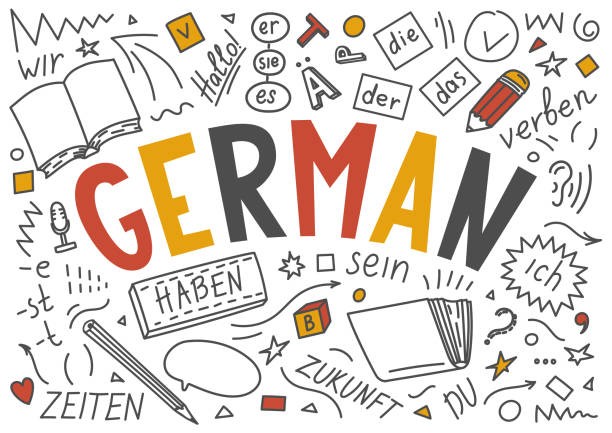
German is often thought of as difficult, but for children, it can be surprisingly straightforward once they get started. German is closely related to English, sharing many similar words and sentence structures. Words like “Hand,” “Kind” (child) and “Haus” (house) make the language more approachable than it might seem at first glance.
At first, German grammar can seem challenging because of its case system, but children often pick these up more quickly than adults. In fact, many find its consistent rules simpler to understand than the irregular grammar of English.
Germany is famous for its fairy tales and stories which are much loved all around the world. Sharing the original versions of classics like “Hansel and Gretel” or “Snow White” in German — even in simplified form -can ignite children’s curiosity and excitement. Beyond stories, Germany is also a leader in science and innovation, making German a valuable language for children with regard to future opportunities for their education and careers.

5. Japanese
Japanese might seem like an unusual choice, but it is one of the most interesting languages for children to explore. The language uses a unique writing system with hiragana, katakana and kanji. Children often find it fascinating, almost like solving a puzzle or playing a game. Hiragana and katakana are fairly simple, and many children enjoy learning them through songs and flashcards.
Japanese culture is another major attraction. From anime and manga to traditional crafts and food, children are often naturally drawn to aspects of Japanese life. Parents can encourage this interest by letting children watch age-appropriate anime in Japanese with subtitles or by cooking Japanese dishes together.
While Japanese grammar differs from English, it is not overly complex. One advantage is that Japanese verbs are regular and follow predictable patterns, which can be easier for children to master compared to the irregular English verbs.
Tips for Parents: Making Language Learning Fun
No matter which language parents choose, the most important factor in children’s success is how the learning experience is structured. Here are some tips to keep children motivated:
- Start with songs and stories: Music and stories make learning fun and memorable. Singing or listening to simple tales helps children absorb new words naturally, and they often enjoy repeating songs or phrases without even realising they are practising the language.
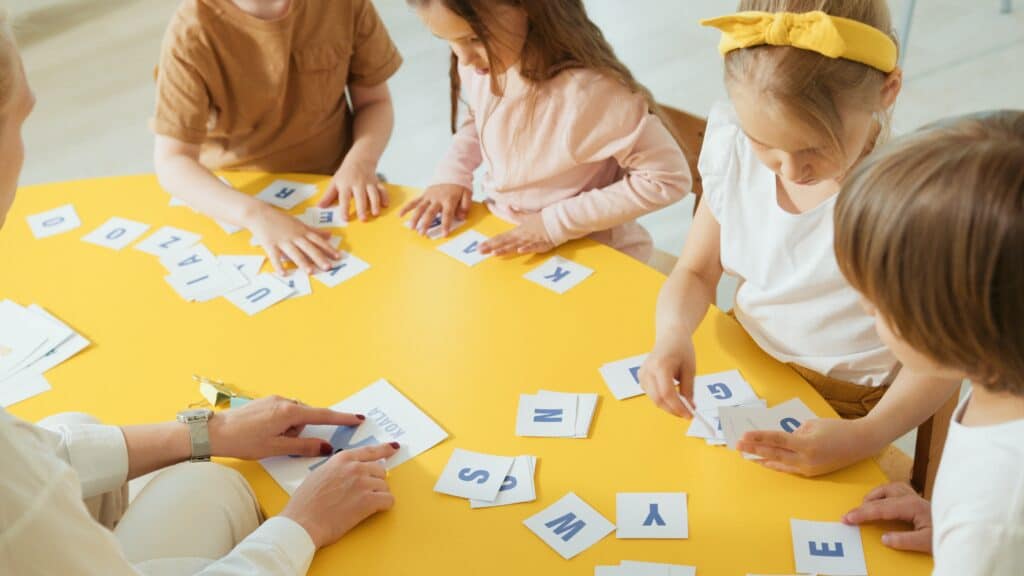
- Use play-based learning: Games, role play and apps turn practice into play. Children enjoy learning when it feels like part of their fun, and interactive activities keep them engaged for longer.
- Incorporate culture: Cooking, festivals, and crafts connect language to real life, making it easier for children to learn. These activities also help them understand the traditions and values behind the language.
- Practice regularly in small doses: Short, daily practice works better than long, occasional lessons. Just 10 – 15 minutes a day can make a big difference over time. For example, children could review flashcards after dinner or sing a short song in the target language before bedtime.
- Encourage peer interaction: Playgroups, clubs or school events provide children with opportunities to use the language with others in natural Settings. Conversations with peers also build their confidence and make learning feel more meaningful.
Learning a new language isn’t just about studying grammar or memorising vocabulary. For children, it’s a chance to discover new worlds, appreciate different cultures, and build life skills that will stay with them as they grow. Every language has its own benefits: Spanish and Mandarin is widely used and helpful for studies in preparation for careers, French and Japanese bring cultural richness and enhance creativity, while German offers clear rules and has strong academic value.
It is always wise to get students to start learning a language at a young age. That is likely to make the journey more rewarding. Children who enjoy the process of learning a foreign language not only gain facility in another language but are also likely to experience greater confidence, strong problem-solving abilities, a boost in creativity, and a curiosity about life outside their own environment. While these five languages are both enjoyable and meaningful to learn, they represent just the beginning. There are countless other languages around the world waiting to be explored. Learning new languages is a journey that lasts a lifetime, which offers new opportunities for discovery and growth.