






When parents imagine their children’s future, their vision often extends far beyond exam scores and university placements. Many hope to see their children grow into confident, compassionate adults who feel at ease in any corner of the world — whether building friendships at an overseas university, working in a multinational company with a diverse workforce, or launching a venture that connects communities across continents.
Preparing children for such a future requires much more than academic achievement. It calls for the ability to relate to others, adapt to change, and to respect cultural differences. These are the qualities that define a global citizen.
International schools in Malaysia play a key role in cultivating and nurturing these traits. They create environments where students learn as a matter of course to view the world through different perspectives — whether by collaborating with classmates from diverse backgrounds, participating in projects on global issues, or learning to debate with respect and understanding with people from diverse cultures.
Raising global citizens is not about setting children on a predetermined path but about equipping them with the confidence and ability to engage with the world empathetically and thoughtfully on important matters that concern the world as a whole. For many families, this journey begins in the international school classroom.
Defining Global Citizenship
The concept of global citizenship is often associated with lofty ideals, but in practice, it comes down to everyday values and skills. A global citizen is someone who understands and respects cultural differences, thinks beyond borders, practises empathy and inclusion, and adapts to changing environments.
For children, these qualities are best developed through lived experiences rather than textbooks. Environments that encourage diversity, dialogue, and collaboration provide fertile ground for these values to take root.
The International School Environment
International schools offer a unique setting where global citizenship is woven into everyday learning. Several features contribute to this environment: These include the ones below.
Multicultural Classrooms
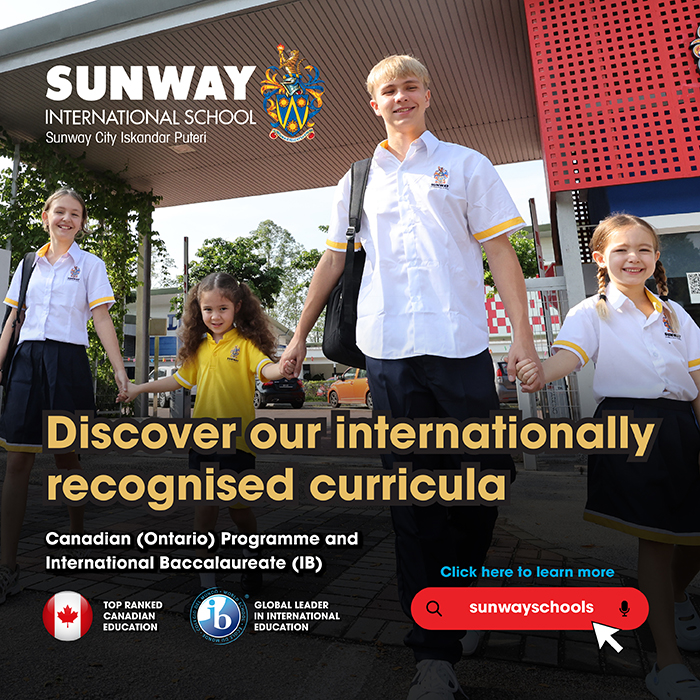
International schools in Malaysia are home to students from many nations. It is not uncommon for a child to share a classroom with peers from Japan, South Korea, India, Europe, or the Middle East, while being taught by teachers from yet another country. This natural mix exposes students to a variety of perspectives early in life, helping them to appreciate differences and to view diversity as strength.
Language Opportunities
While Malaysian students often grow up with English alongside Malay, Mandarin, or Tamil, international schools extend these opportunities further. Some schools offer French, Spanish, German, or Japanese. Each additional language opens a cultural window, strengthens communication, and encourages deeper cross-cultural understanding and meaningful involvement with peoples from diverse backgrounds.
Global Curricula
Most international schools follow globally recognised curricula such as the International Baccalaureate (IB), International General Certificate of Secondary Education (IGCSE), or American programmes. These frameworks emphasise inquiry-based learning, critical thinking, and cross-cultural perspectives, equipping students with transferable skills suited for an interconnected world.
Beyond the Classroom
Co-curricular activities are also essential. Model United Nations conferences, international sports competitions, cultural festivals, and community service projects provide students with opportunities to practise teamwork across cultures and to tackle real-world issues. These experiences build leadership and communication skills in diverse settings.
Teachers with Global Experience
Teachers in international schools often bring experience from different education systems. Their diverse teaching approaches and perspectives add richness to lessons, offering students insights that extend beyond the local context.
The Role of Parents
While schools provide structure, parents remain central to nurturing a global mindset. A household that values openness, respect, and curiosity reinforce s what children learn at school.
Practical steps include celebrating cultural diversity at home, encouraging curiosity about world traditions, modelling empathy in daily life, supporting multilingual learning, and discussing global issues in an age-appropriate way.
Malaysia offers a distinct advantage in this respect. As a multicultural society, it already provides daily exposure to different languages, festivals, and customs. Families have the opportunity to build on this by encouraging children to take note of and respect the differences around them.

Why Global Citizenship Matters
As today’s students prepare for future careers, global competence is increasingly valued. Universities seek applicants who demonstrate awareness of international perspectives. Employers look for candidates who can collaborate across borders and cultures. Communities benefit from individuals who can bridge divides and create inclusive spaces.
Global citizenship is not simply about standing out academically; it is about thriving socially, emotionally, and professionally in a world where change is constant and interconnectedness is the norm.
Examples from International Schools in Malaysia
Many schools in Malaysia already demonstrate how global citizenship is cultivated:
- Cultural Celebrations: Schools host events where students share traditions, cuisines, and performances from their home countries. These celebrations turn differences into opportunities for discovery and joy.
- Service-Learning Projects: Partnerships with local NGOs or rural communities expose students to social issues and allow them to contribute meaningfully. Such projects foster empathy and a sense of responsibility.
- Global Collaborations: Technology allows students to connect with peers abroad, working together on projects ranging from science experiments to art exchanges. These initiatives show how collaboration transcends time zones and borders.
Balancing Global and Local Identity
While international schools focus on global perspectives, a strong grounding in one’s own culture remains essential. Children who feel secure in their own traditions are better equipped to engage with others respectfully. The most effective schools strike this balance, nurturing pride in local identity while fostering curiosity about the wider world.
Final Reflections
Raising global citizens is less about preparing for a distant future and more about guiding children in the present. Every classroom discussion, every new language lesson, and every cross-cultural friendship is a step toward becoming adaptable, empathetic, and world-ready.
International schools in Malaysia provide the environment where these qualities naturally flourish. At home, families reinforce them through everyday experiences that celebrate diversity.
Ultimately, raising global citizens means shaping children who not only achieve success but also contribute positively to the world around them. In an era defined by connection and change, this may be the greatest gift a parent and a school can offer.
Interested to read more? More articles below:
- What If the Bully Is My Child? The Question Parents Don’t Want to Ask
- Nurturing Young Artists: How Malaysian International Schools Are Fostering Creativity and Innovation
- Beyond Homework: Why Art Projects Matter More Than You Think