













For many parents today, tuition feels almost unavoidable.
A child struggles in one subject? Tuition.
Exams are coming? Tuition.
Want to stay ahead? More tuition.
It usually comes from a good place. Parents want to help. They want to give their children every possible advantage and avoid seeing them fall behind.
But somewhere along the way, many families have quietly started believing that children only grow through classes, schedules, and academic support.
That is not necessarily true. At least not in all cases and not at all times.
Some of the most significant growth happens much closer to home. It happens in ordinary moments that rarely make it onto a timetable—during dinner conversations, while folding laundry together, on car rides, when a child is upset after school, or when they are entrusted to do something on their own for the first time.
Tuition can help with subjects.
But home helps shape the person.
Children Need More Than Academic Support
Most parents know how to support marks. Fewer are told how to support the child behind those marks.
A child may score well and still feel anxious.
They may attend many classes and still lack confidence.
They may be busy every day and still feel disconnected.
Thriving is bigger than performance.
It is when a child feels secure, curious, capable, and emotionally steady. It is when they know they are valued for more than their achievements.
Children who truly thrive often have something simple but powerful that sheds light on their overall achievement and personal growth : a home that gives them stability and room to grow.
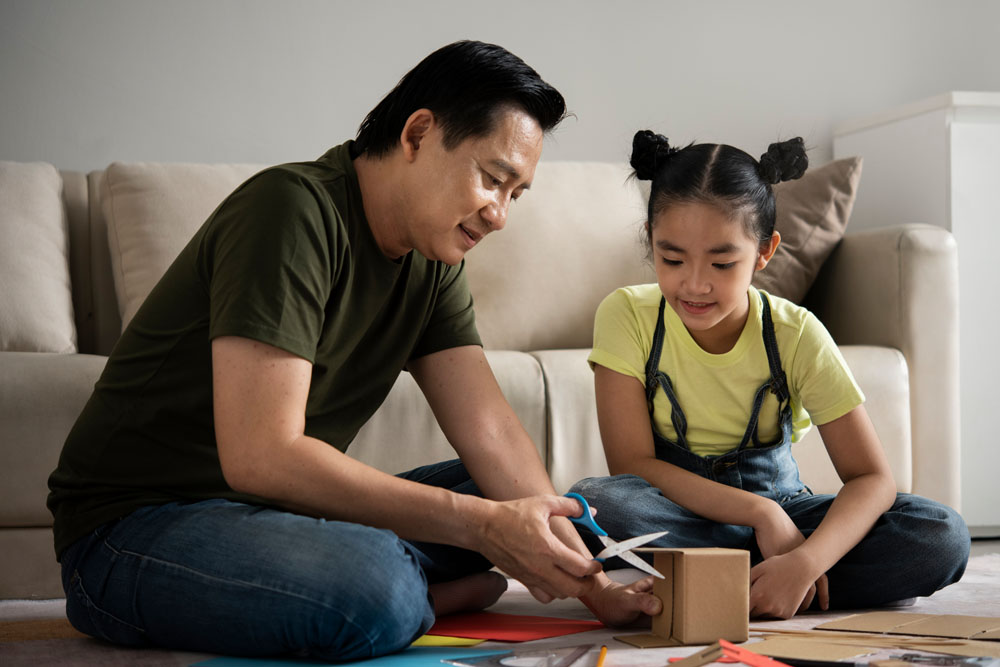
A Child Feels the Atmosphere of a Home
Parents often worry about giving children the “best environment.” A proper study desk. The right enrichment tools. Organised shelves. Educational resources.
Those things can be useful, but children usually notice something else first.
They notice tone.
They notice whether the home feels tense or calm. Whether mistakes are met with fear or guidance. Whether they are listened to or dismissed. Whether love feels conditional or steady.
Children do not need a perfect home.
They need a home where they feel safe being themselves.
A child who knows he can fail, cry, ask questions, or be imperfect without losing love carries a kind of confidence no tuition centre can teach.
Everyday Conversations Matter More Than We Think
Many meaningful parenting moments look very ordinary.
Talking in the car on the way home. Asking about their day while cutting fruit. Laughing over something silly at dinner. Listening to a story that takes too long and has no clear point.
These moments matter.
When children are spoken with—not just spoken to—they learn how to express themselves. They build vocabulary, confidence, emotional awareness, and trust.
Sometimes parents ask, “How do I get my child to open up?”
Often, it starts by making space for small daily conversations without rushing to correct, lecture, or solve everything.
Instead of “Did you finish your homework?” try:
- What made you smile today?
- Was anything difficult today?
- What are you thinking about lately?
- If you could change one thing about today, what would it be?
Children do not usually open up in one dramatic conversation. They open up slowly, over time.
Routines Help Children Feel Grounded
Children may resist routines, but they are comforted by them.
Knowing what happens next gives children a sense of security. It reduces daily stress and creates calm predictability in a world that may sometimes feel overwhelming.
This does not mean strict schedules or rigid parenting.
It can be simple:
- Dinner together when possible
- A regular bedtime
- Homework before screen time
- Reading before sleep
- Quiet family time on weekends
These repeated rhythms tell a child: life has structure, and you are held within it.
Especially during stressful seasons, routines often become the invisible support children lean on.
Let Them Do More Than You Think
Many parents help because it is faster and easier.
Packing the school bag. Fixing forgotten homework. Solving friendship problems immediately. Constant reminders for every task.
It is understandable. Parenting is tiring.
But children grow confidence when they are trusted with responsibility.
Let them forget something once in a while. Let them pack imperfectly. Let them work through a small problem before stepping in.
Yes, it may be slower. Messier. Less efficient.
That’s how growth often is.
A child who is trusted begins to think, Maybe I can handle things myself.
That thought is powerful.
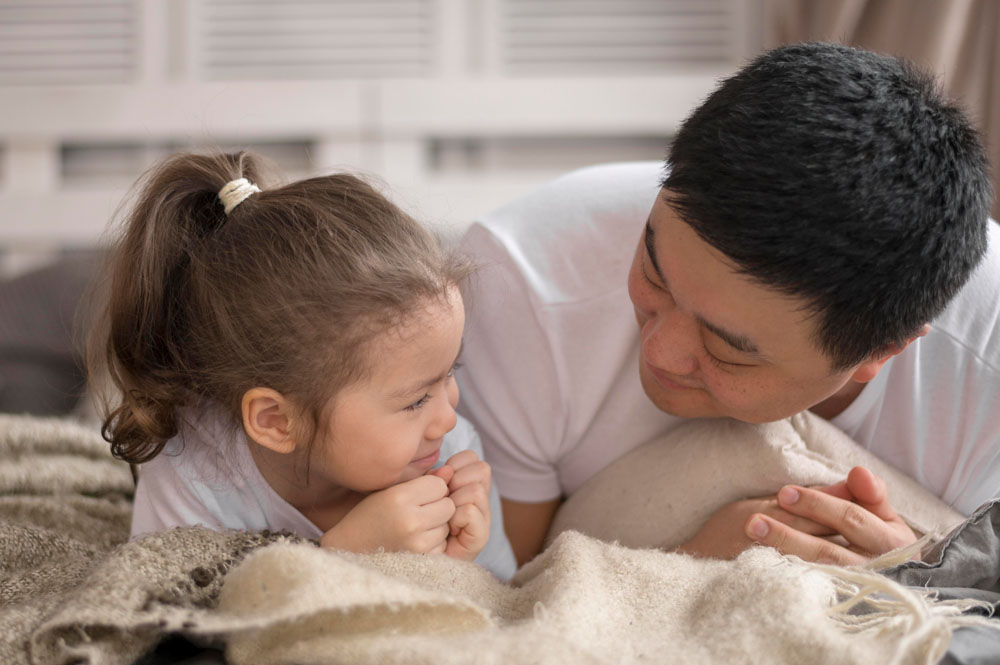
Boredom Is Not the Enemy
Modern children are rarely bored for long.
There is always a device, a class, a video, a plan, a schedule.
But boredom has value.
When children are not constantly entertained, something interesting happens. They create games. Build forts. Draw stories. Ask strange questions. Explore ideas. Notice things.
Some of the best childhood moments begin with “There’s nothing to do.”
Parents do not need to fill every empty hour.
Sometimes space is where growth begins.
Emotional Strength Is Built at Home
Schools teach subjects. Homes often teach young people how to manage their emotional life.
Children learn how to handle frustration by watching adults handle frustration. They learn how to apologise when they hear others offering apologies. They learn how to calm down when someone helps them calm down.
No parent gets this right every day.
There will be rushed mornings, impatient moments, tired evenings, raised voices, guilt.
That is real life.
What matters most is not perfection. It is the need for repair.
A parent who says, “I was too harsh just now. I’m sorry,” teaches something deeply valuable: mistakes can be owned, relationships can heal, and respect goes both ways.
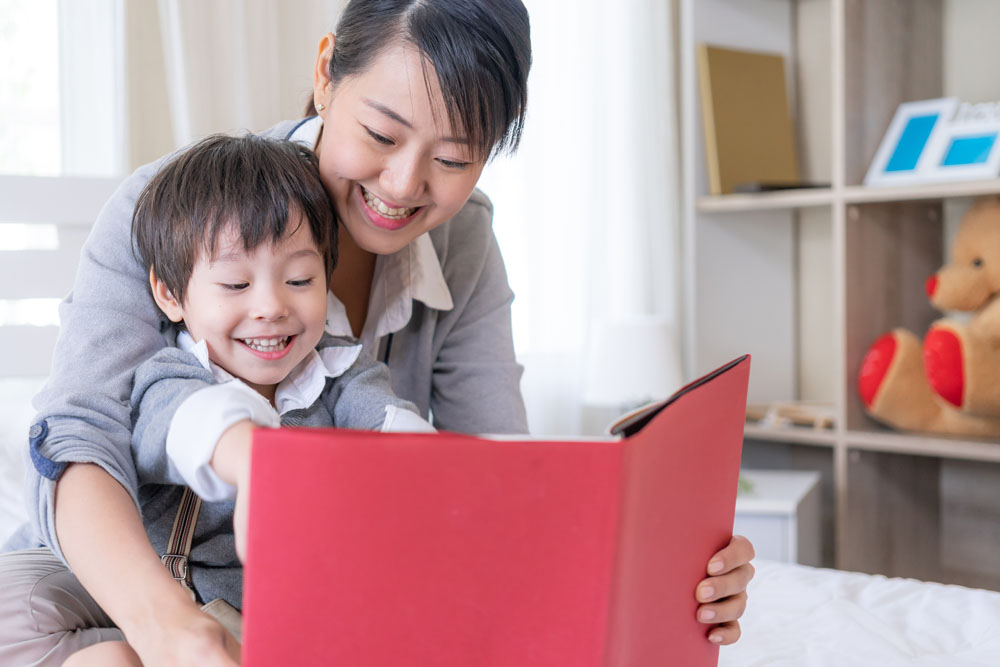
Reading, Presence, and Small Habits Still Matter
We often look for grand solutions when in fact small habits quietly do the heavy lifting.
Reading together.
Walking after dinner.
Cooking side by side.
Talking before bed.
Showing up for school events.
Remembering something they mentioned earlier.
These moments may seem minor. They are not.
Children acquire self-worth through repeated experiences of being noticed, valued, and included.
They may not remember every tuition worksheet.
They often remember who was there.
So, Is Tuition Bad?
Not at all.
Tuition can be helpful when used for the right reasons. It can rebuild confidence, strengthen weak areas, or provide focused support.
But tuition should be a tool, not the foundation.
If a child is constantly exhausted, anxious, disengaged, or losing joy, the answer may not be another class.
Sometimes what they need is sleep. Rest. Encouragement. Outdoor play. A slower week. Time with family. Someone to listen.
Children are not machines to optimise.
They are people becoming themselves.
Parents carry a lot of pressure now. To provide more, plan more, do more.
But children do not always need more.
Often, they need what cannot be bought or scheduled.
They need warmth. Trust. Time. Stability. Space to grow. Someone who believes in them even on bad days.
Tuition may improve grades.
But the feeling of being loved, being seen as capable and experiencing a sense of emotional and physical security and well-being at home—that is what helps a child truly thrive.
Read more here:
- What to Ask Schools If Your Child Learns Differently
- Is Your 6-year-old ready for Primary School? A Guide for Parents in Malaysia
- Sustainable Living for Families: From Shopping to Waste Management