












Living sustainably might sound complicated, especially for families with busy schedules. Between work, school runs, and activities, it can feel impossible to make eco-friendly choices. But the truth is, living green doesn’t have to be hard. Small, simple changes every day can make a big difference. They can also make life feel more organized, purposeful, and even fun.
It’s also a great way to show children that taking care of the planet is something the whole family can do. Sustainable living isn’t about being perfect. It’s about making small habits part of daily life. From shopping to using less energy and water, to managing waste and traveling smart, every little choice counts.
Smart Shopping: Buy With Purpose
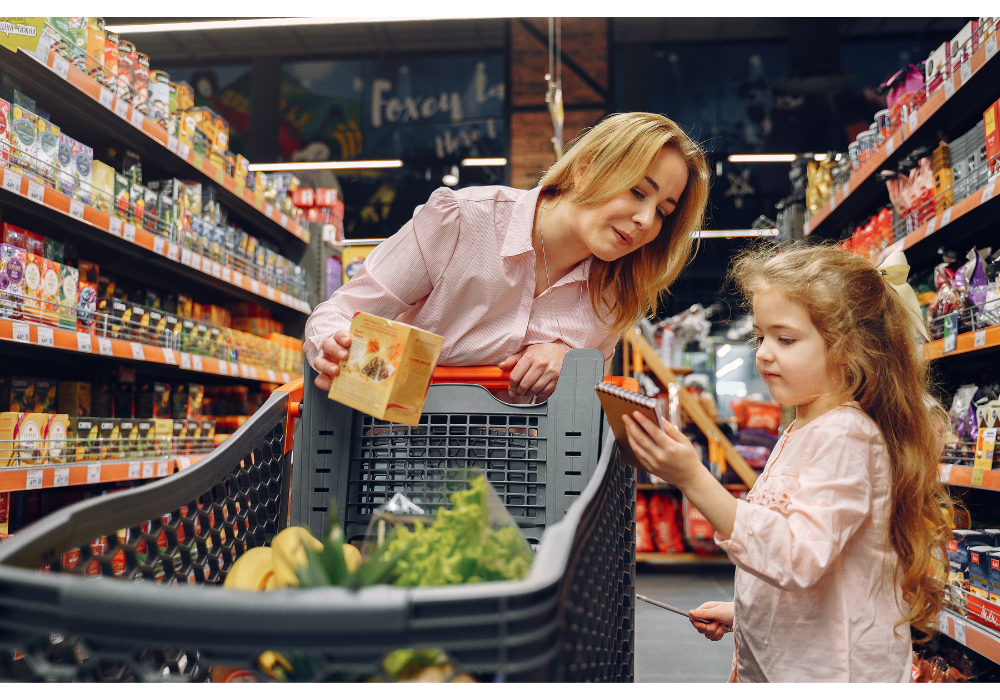
Shopping is one of the easiest ways to start living sustainably. Everything we buy has an impact on the environment—from making it, to packaging it, to delivering it. So making thoughtful choices matters.
For groceries, always take along with your reusable bags. Avoid single-use plastics when you can, and choose items with less packaging or that which can be recycled. Buying local produce is better for the environment because it reduces transportation costs Plus, local produce often tastes fresher and supports local farmers.
Clothes and household items also offer opportunities for eco-friendly choices. Fast fashion wears out quickly and generates a lot of waste. Instead, buy good-quality clothes that last longer or opt for second-hand items. Clothing swaps with friends and family are also worth exploring. They strengthen ties with loved ones and can be both fun and sustainable. When something wears out, try to fix it instead of throwing it away. This shows children the value of taking care of things.
Other simple swaps at home can help too. Bamboo toothbrushes, reusable water bottles, eco-friendly cleaning products, and reusable food wraps are small changes that reduce waste. Such practices show children that sustainability can be part of everyday life.
Energy and Water: Small Habits Count
Sustainability isn’t just about shopping. Using energy and water wisely at home is another way families can protect the environment and save money.
Simple habits like turning off lights when leaving a room, unplugging electronics, and using energy-saving appliances make a significant difference. LED light bulbs or solar-powered outdoor lights also save energy.
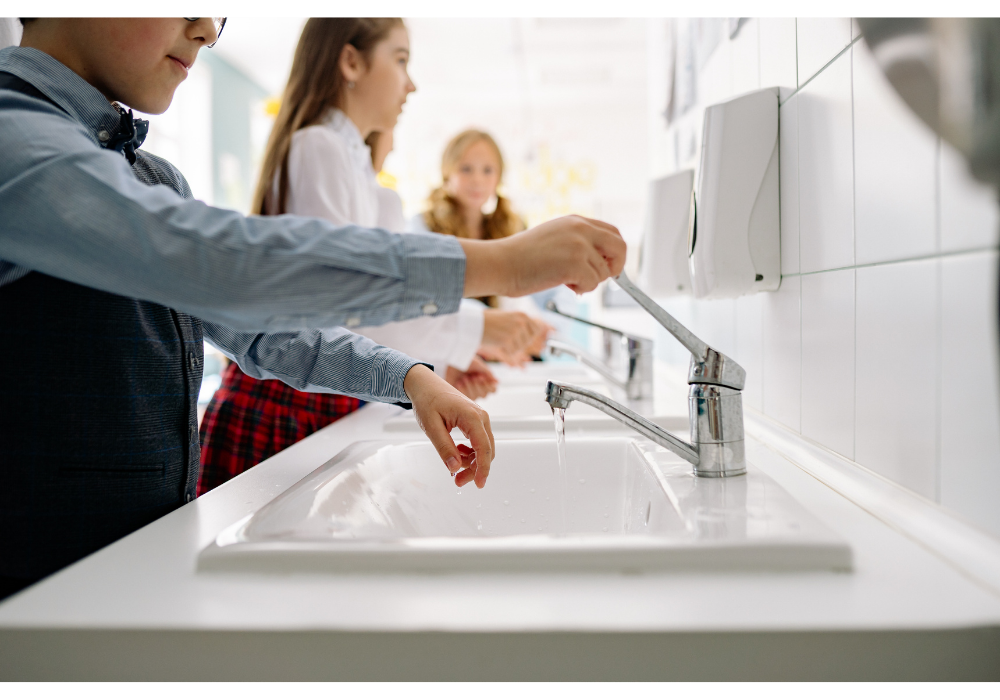
Water use is another important area. Leaks, long showers, and running taps waste water. Shorter showers, fixing leaks as soon as they occur, and collecting and using rainwater for plants are easy steps to follow. Children can be roped in for these tasks too. Make a game of seeing who uses less water in a week, or track energy use together. It helps children understand why saving resources matters, and it can be an engaging activity.
Managing Waste at Home
Reducing and managing waste is important, but it doesn’t have to be complicated. The goal is simple: reduce, reuse, recycle.
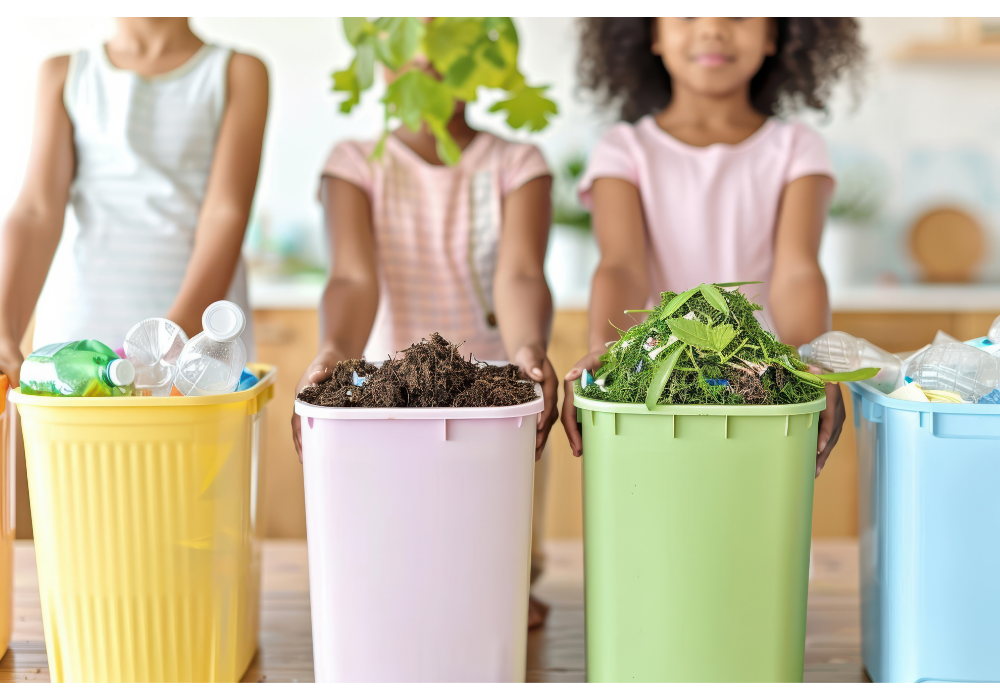
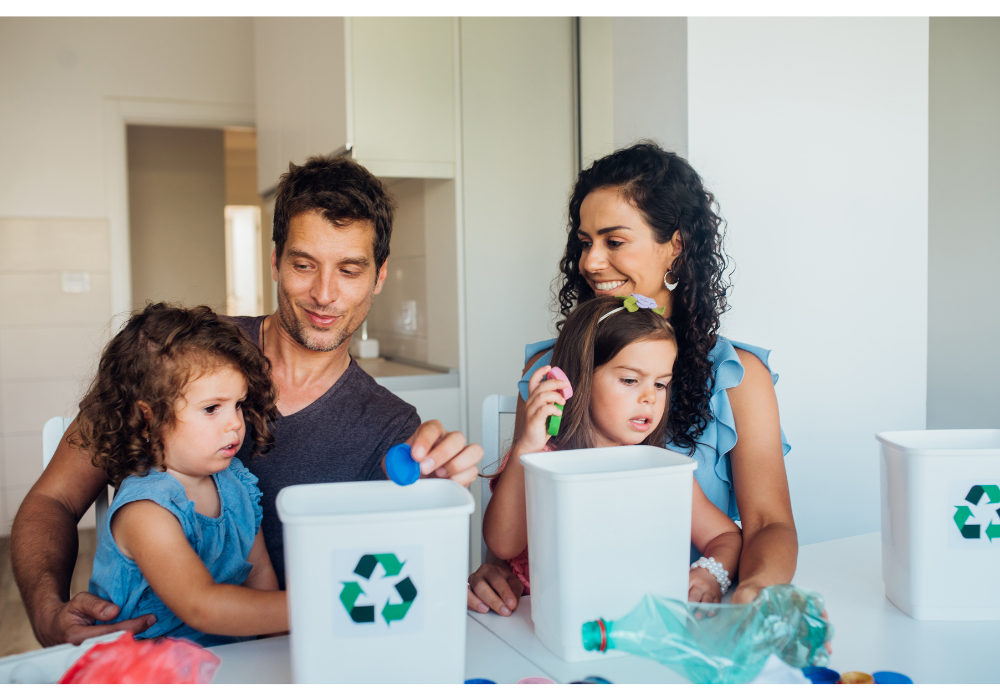
Start with recycling. Separate plastics, glass, and paper and put them in the right bins.
Composting food scraps is another way to reduce waste. Compost enriches the soil for gardens and even for small indoor plants. Children can help with composting too—it’s hands-on and satisfying to see scraps turn into soil.
Food waste is another big issue. Planning meals, storing food properly, and using leftovers creatively can prevent waste. Children can be asked to decide on the kinds of meals, they would like to eat and helping to prepare and cook them and to come up with ideas for leftover food.
Repurposing things at home, like jars for storage or old clothes for cleaning rags, is also a good idea. Donating items in good condition teaches children that sharing and reusing may be p better than always buying new things.
Green Travel Choices
Transportation is another area where wise choices can have a positive impact. For short trips, walking or cycling is not only eco-friendly, but also an opportunity for exercise and quality family time. Even a short walk to the corner store can become a little adventure while teaching children the significance of sustainable choices.
For longer trips, consider public transport or carpooling. Combining errands into one trip is another simple way to cut down on fuel use. If your family is looking for a new car, hybrid or electric vehicles can significantly reduce your carbon footprint over time.
Parents can turn transportation choices into teachable moments. Explain why certain travel options are better for the planet than others, and involve children as much as possible in planning routes or choosing greener alternatives. Over time, children develop eco-friendly habits for everyday life.
Involving Children in Sustainability
The most effective way to foster sustainability at home is to make it a family effort. Children are quick learners and often mirror what they see their parents doing. The more they see eco-friendly habits being practiced regularly, the more likely they are to adopt them.
Activities like gardening, recycling projects, or energy- and water-saving challenges make sustainability hands-on and engaging. Small tasks like watering plants, helping with compost, or sorting recyclables can make children feel part of the process. Instead of treating these actions like chores, show children how they improve the quality of the environment. Jointly celebrate small achievements, like saving electricity, composting properly, or reducing waste during the week.
When families practise sustainability every day, children are likely to develop responsibility, patience, creativity, as well as problem-solving skills. It gives them a sense of purpose and empowers them to take action, both within the home and in the world outside.
Lifestyle Benefits Beyond the Environment
Living sustainably does more than help the planet—it can also improve family life. Families who practise eco-friendly habits often feel more united, organized and mindful of their daily choices.
Children also learn to be more responsible and to appreciate the world around them.
Even in cities, families can find many ways to live greener. Visiting farmers’ markets, spending time in parks, joining community gardens, or taking part in recycling programs are simple ways to start. The key is to stay consistent. Small actions may seem simple, but they can make a big difference over time.
Sustainable living can also be immensely rewarding. Families can track their eco-friendly habits, celebrate small achievements, or turn them into friendly challenges. For example, you could plan a zero-waste picnic or enjoy a nature walk after a week of saving energy at home. These activities make sustainable living enjoyable while helping children learn positive habits for the future.
Sustainable living for families is not about following strict rules. It is about making thoughtful choices in daily life. By showing children that even small actions matter, families can build habits that support a healthier lifestyle and a better environment.
Simple steps like shopping wisely, saving energy, reducing waste, making greener travel choices, and involving children in these activities can make a real difference. These everyday actions also teach children important values about caring for the planet and being responsible for their choices.
In the end, sustainable living is a journey over a lifetime. Every small step counts. When families practise sustainability together, they not only help protect the environment but also create a more mindful, connected, and meaningful family life for the future.