





The transition from preschool to primary school is an important milestone in a child’s development. Starting in 2027, Malaysia will allow children to enter Standard 1 at the age of six, a shift from the previous requirement of seven, as part of the National Education Plan 2026–2035. This change is optional, giving parents the flexibility to decide whether their child should start earlier or wait another year.
With this new option, many parents may begin to ask an important question: “Is my child truly ready for primary school?” The answer goes beyond age, and depends on a combination of academic readiness, emotional maturity, social skills, and independence. By understanding these factors, parents can make a more informed and confident decision for their child.
School Starting Age in Malaysia
In Malaysia, children in the national school system typically enter Year 1 (Standard 1) at the age of seven. However, private and international schools may admit children earlier, often from age five or six, depending on the child’s readiness and the school’s admission criteria.
With this flexibility, parents may need to decide whether their child is ready to start earlier or is he likely to benefit from waiting an additional year. This decision should be carefully considered, as it may have an impact on a child’s early learning experience, confidence and overall adjustment to primary school.
Academic Readiness: Is Your Child Prepared to Learn?
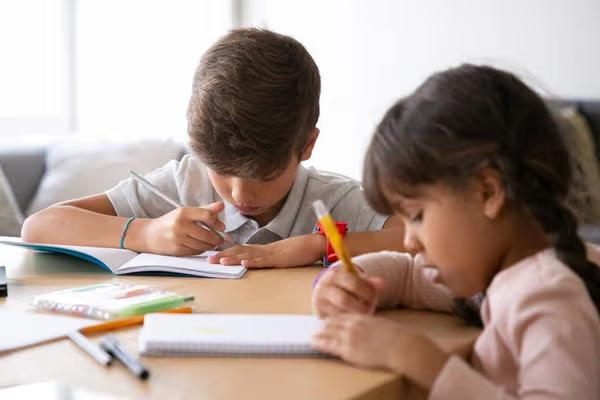
Academic readiness does not mean a child must already know how to read or write perfectly. Instead, it focuses on whether the child has the foundational skills needed to cope with a more structured learning environment.
A child may be ready if they can:
- Recognise letters and basic sounds
- Understand simple instructions
- Hold a pencil and attempt basic writing or drawing
- Show curiosity and interest in learning
In Malaysia’s diverse education landscape, different schools have different expectations. Some international schools emphasise inquiry-based learning, while others may focus more on structured academic progress. Parents should align their expectations with the school’s approach.
Emotional Readiness: Can Your Child Cope with Change?
Starting primary school involves major changes — a new environment, new teachers, new routines and often a larger peer group. Emotional readiness is crucial in helping children manage these transitions.
Signs of emotional readiness include:
- Ability to separate from parents without excessive anxiety
- Managing basic emotions such as frustration or disappointment
- Adapting to new environments with some degree of confidence
- Following classroom routines without constant reassurance
Children who are emotionally prepared are more likely to enjoy school and develop a positive attitude towards learning.

Social Skills: Interacting with Others
Primary school requires children to interact more independently with peers and teachers. Social readiness helps children build friendships and navigate group settings.
Your child may be socially ready if they can:
- Share and take turns
- Communicate basic needs clearly
- Play cooperatively with other children
- Respect simple rules and boundaries
In multicultural environments, especially in international schools in Malaysia, children may also be exposed to diverse cultures and languages. Basic social adaptability will help them integrate more smoothly into new environments.
Independence: Managing Daily Tasks
Primary school expects a higher level of independence compared to preschool. Children are often required to manage their belongings, follow instructions and complete tasks with minimal supervision.
Indicators of independence include:
- Using the toilet independently
- Eating meals without assistance
- Packing and managing their school bag
- Following simple instructions on their own
Developing independence helps children feel more confident and capable in a school setting.
Attention Span and Learning Behaviour
Primary school introduces longer periods of focused learning than preschool. A child does not need to sit still for hours, but they should be able to concentrate for short periods and gradually cultivate the ability to build focus.
Look out for signs such as:
- Ability to sit and complete a simple task
- Listening to instructions without constant reminders
- Showing interest in activities for a reasonable duration
Children who are easily distracted may need more time to develop these skills before making the transition from preschool to primary school.
Language and Communication Skills
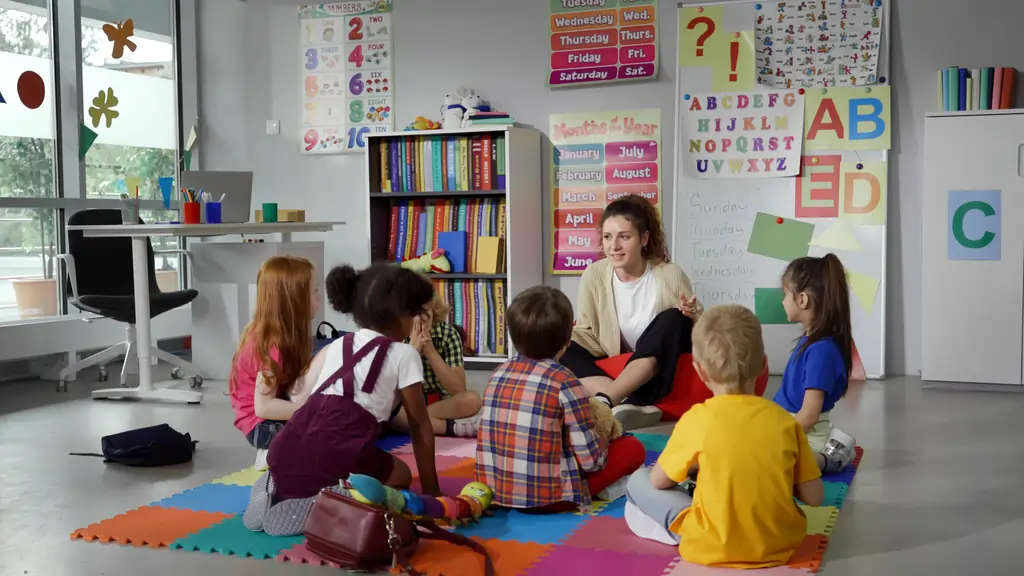
In Malaysia, the language of instruction depends on the type of school one chooses to attend— Sekolah Kebangsaan (Bahasa Malaysia), Sekolah Jenis Kebangsaan Cina (Mandarin), Sekolah Jenis Kebangsaan Tamil (Tamil), or international schools (English).
Children don’t need to be fluent in the school’s main language, but they should be able to understand basic instructions and express simple needs.
If your child has limited exposure to the school’s main language, he may need more time to adjust. Basic familiarity will help him feel more confident and to settle in more easily.
Should You Start Early or Wait?
One of the most common dilemmas for parents is whether to enrol their child early or to give him an extra year in preschool.
Starting Early May Be Suitable If:
- The child shows strong emotional and social maturity
- He is curious, confident, and eager to learn
- He is able to adapt quickly to new environments
Waiting May Be Better If:
- The child is shy or struggles with separation
- He needs more time to develop independence
- He shows limited focus or emotional regulation
There is no “one-size-fits-all” answer. Some children benefit from starting early, while others may thrive with an additional year of preparation.
The Malaysian Context: What Parents Should Consider
In Malaysia, parents often have multiple schooling options, including national schools, private schools and international schools. Each option has different expectations and teaching approaches.
Parents should consider:
- Curriculum style (structured vs inquiry-based)
- Class size and environment
- Language of instruction
- Support systems available in the school
Visiting schools, attending open days, or speaking with educators are likely to provide parents with valuable insights into what best suits their child.
Supporting Your Child’s Transition
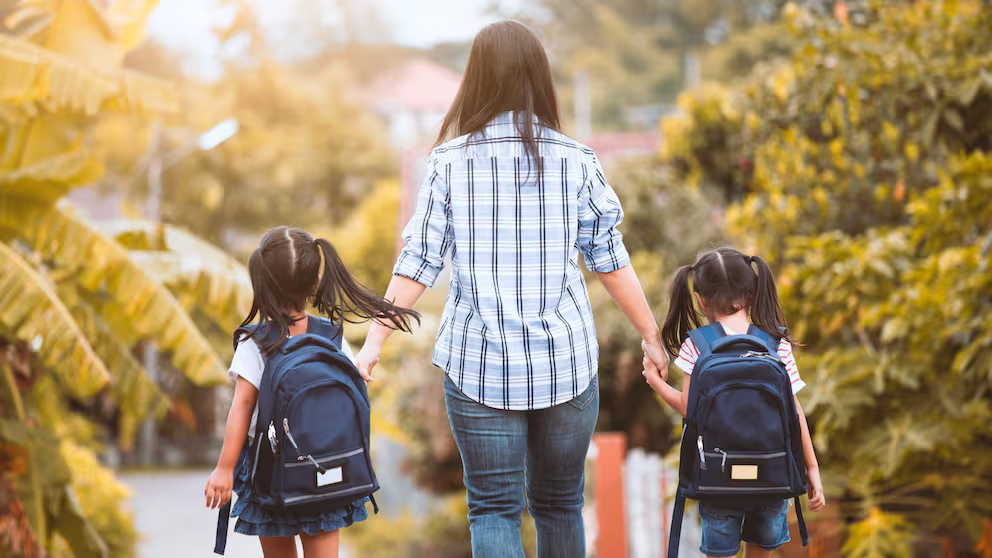
Regardless of when your child starts primary school, preparation plays a key role in ensuring a smooth transition.
Parents can support their child by:
- Establishing a daily routine similar to school schedules
- Encouraging independence in small tasks
- Reading together to build language skills
- Talking positively about school to generate excitement
- Arranging playdates to develop social skills
Preparation is likely to reduce anxiety and build confidence before the first day of school.
Deciding whether a 6-year-old is ready for primary school is not just about age — it is about readiness in multiple areas, including academic ability, emotional maturity, social skills and level of independence.
In Malaysia’s diverse education landscape, parents have the flexibility to choose the type of schooling that best suits their child and the best time for admission into the school. By observing their child’s development and understanding his needs, they would be able to make a decision that supports both his learning journey and overall well-being.
Every child develops at his own pace. With the right support and environment, he can thrive — whether he starts primary school at age 6 or takes a little more time to prepare for entry.