










Raising independent learners has become an important focus for many parents and educators today. In a world that is constantly changing, children are expected to do more than just memorise information from textbooks. They need to be able to think critically, solve problems, adapt to new situations, and make decisions with confidence. These abilities are not developed overnight — they are built gradually through daily experiences, guidance, and practice.
Independence in learning does not mean children are left alone to figure everything out without help. Instead, it means parents and educators provide the right balance of support and freedom so children can slowly learn to take responsibility for their own learning. When children become independent learners, they are more motivated, more confident, and better prepared for both academic and real-life challenges.
Building independence through daily experiences
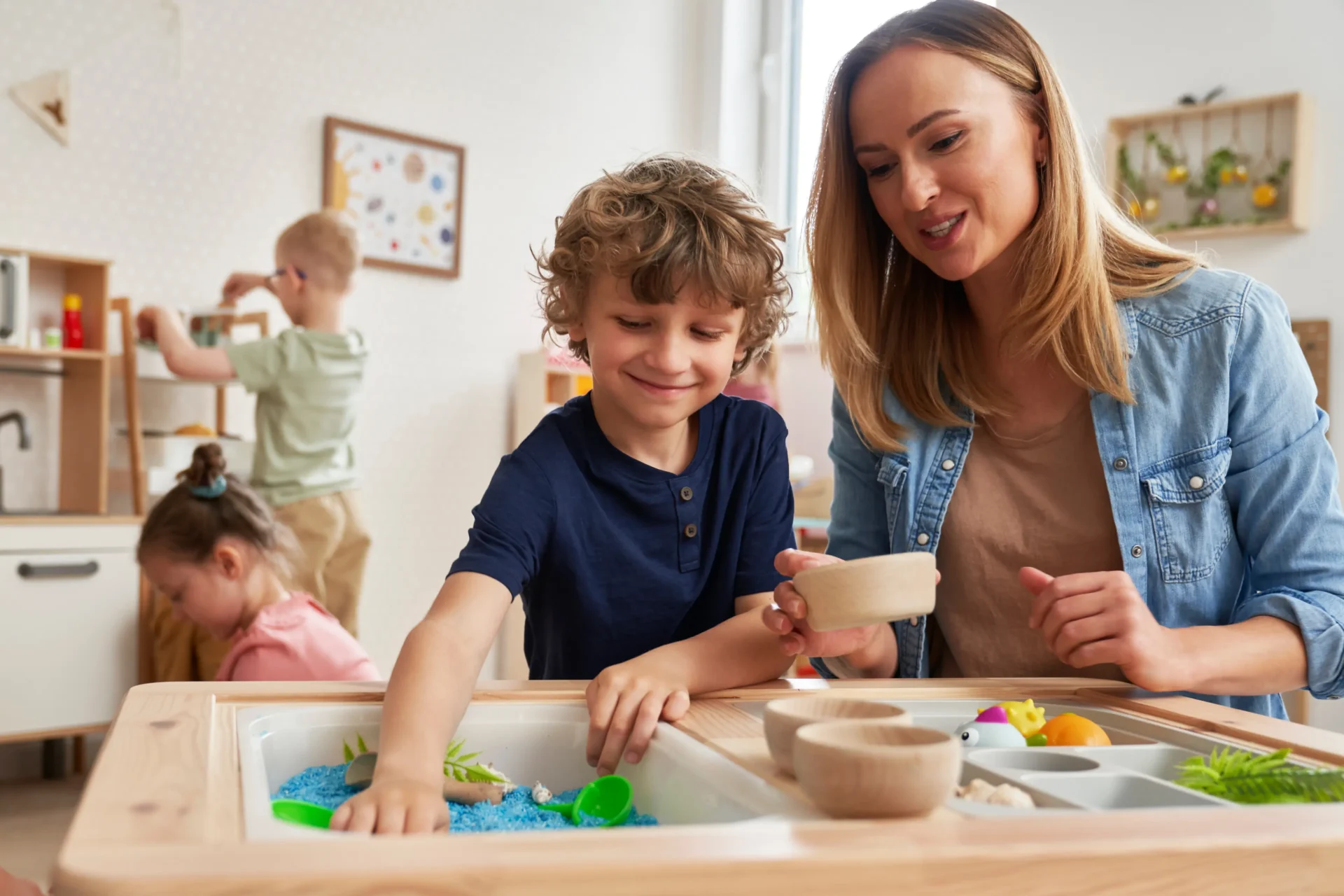
One of the most effective ways to raise independent learners is by starting with small, everyday experiences. Children do not need big or complicated tasks to begin developing independence. In fact, simple daily routines can be powerful learning opportunities.
For example, allowing children to make small choices such as selecting their clothes, choosing what to eat for breakfast, or deciding which book to read helps them understand that their decisions matter. These small choices give them a sense of ownership and gradually build confidence in their judgment.
As children grow older, these responsibilities can slowly increase. They can start planning their study time, organising their school materials, or deciding how to complete a homework task. These experiences teach them how to manage their time and responsibilities, which are important skills for independent learning.
Another important aspect is allowing children to try before stepping in. Many parents naturally want to help when they see their child struggling, but immediately giving answers can reduce learning opportunities. When children are given space to attempt tasks on their own, they learn how to think through problems and explore different solutions. Even if they make mistakes, these moments become valuable learning experiences. Mistakes help children understand what does not work and guide them toward better approaches in the future.
Over time, these daily experiences shape how children think about learning. Instead of waiting for instructions, they begin to take initiative and try things on their own.
Creating the right environment and learning mindset
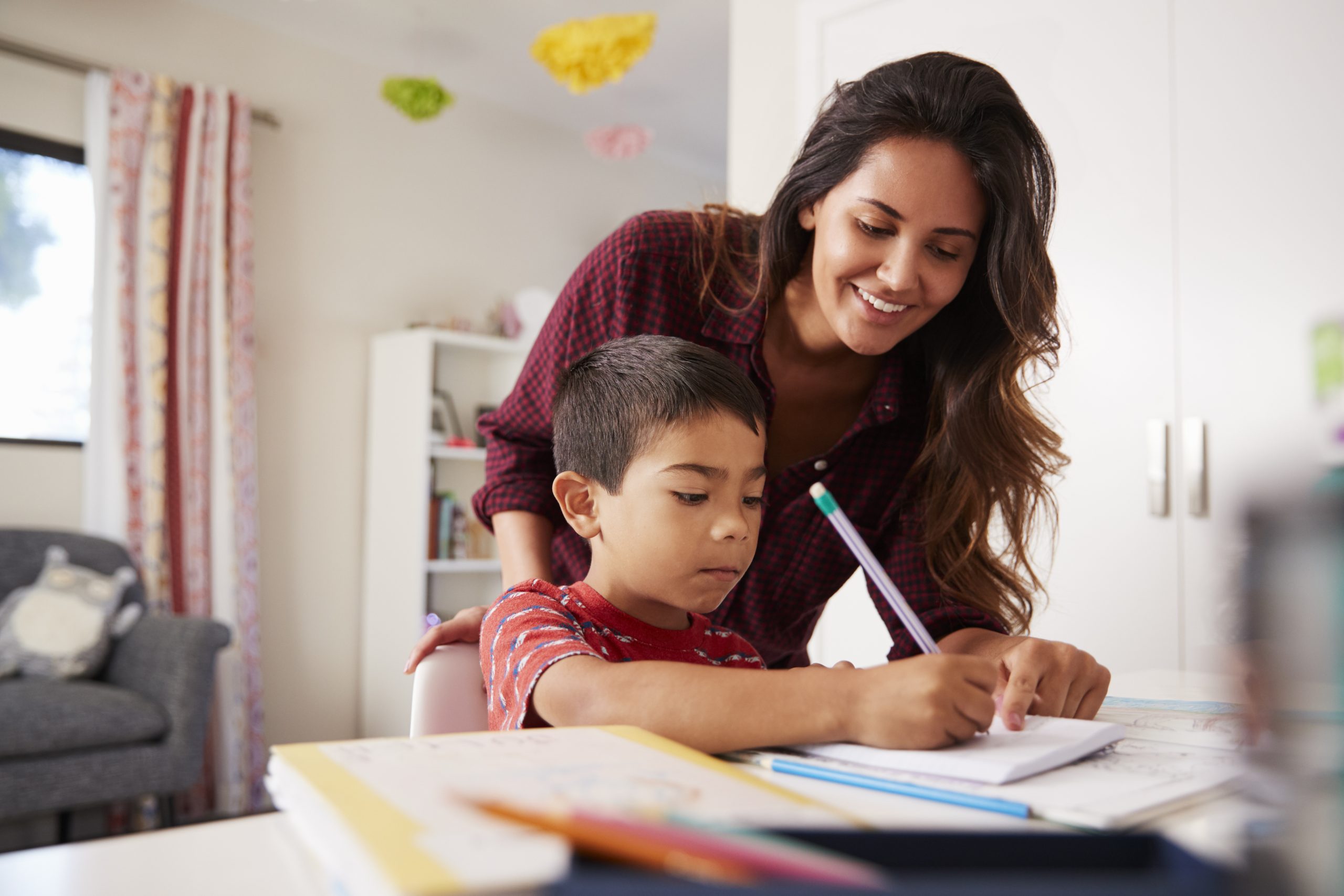
A supportive home environment plays a key role in helping children becomes independent learners. Children are more likely to develop good learning habits when they have a consistent routine, a comfortable study space, and easy access to learning materials.
A quiet and organised environment helps children focus better and reduces distractions. When they know where to study and what to do, they are more likely to take responsibility for their learning without constant reminders.
However, environment alone is not enough. The mindset and approach of parents also make a big difference. Instead of always giving direct answers, parents can guide children using questions. For example, asking “What do you think you should do next?” or “How would you solve this problem?” encourages children to think for themselves rather than depend on others.
This approach helps children develop critical thinking skills. Instead of memorising answers, they learn how to analyse situations and make decisions. Over time, they become more confident in handling challenges on their own.
Encouragement also plays an important role. Many children become dependent on external validation when they are only praised for results such as grades or correct answers. While achievements are important, it is equally important to recognise effort, persistence, and improvement.
When children are praised for trying, not just succeeding, they become more willing to take risks and explore new challenges. This helps them develop a growth mindset, where learning is seen as a process rather than a test of ability.
In addition, giving children age-appropriate responsibilities helps build independence. Simple tasks such as packing their school bag, keeping their study area tidy, or completing homework on time teach them discipline and accountability. These small responsibilities gradually prepare them for larger tasks in the future.
Balancing guidance, curiosity, and freedom
One of the most important parts of raising independent learners is finding the right balance between guidance and freedom. Independence does not mean children are left completely on their own. They still need support, structure, and direction, especially in their early years.
However, as children grow, parents should gradually step back and allow them more freedom to make decisions. This gradual process helps children feel supported while also learning how to manage tasks independently.
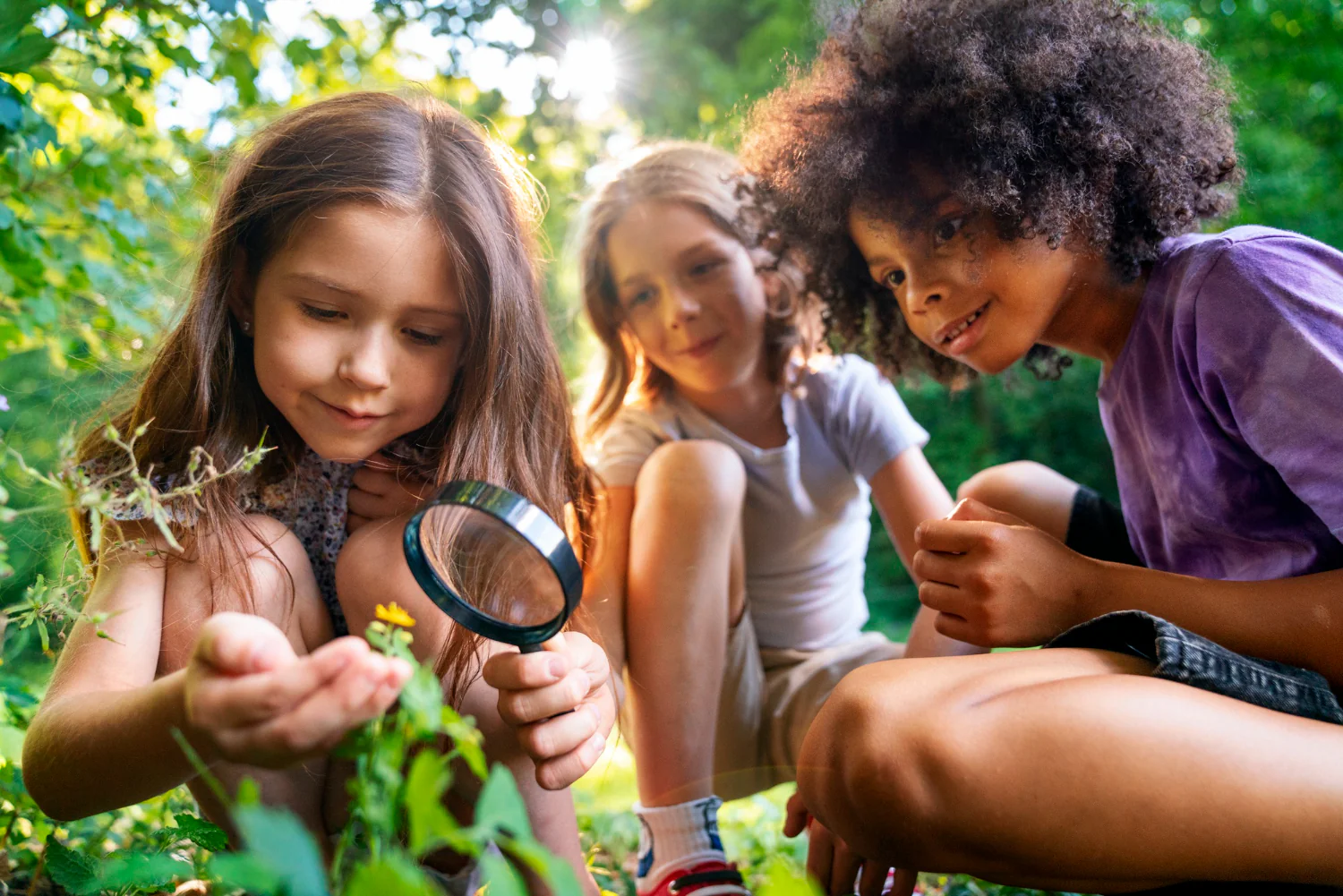
Encouraging curiosity is also essential. Children are naturally curious, and this curiosity should be nurtured instead of restricted. When children are allowed to ask questions, explore new ideas, and try different activities, they become more engaged in learning.
Learning does not only happen in textbooks or classrooms. Real-life experiences, outdoor activities, reading, and hands-on learning all help children develop a deeper understanding of the world around them. These experiences make learning more meaningful and enjoyable.
Technology can also support independent learning when used correctly. Educational apps, videos, and online resources can help children explore topics in more depth. However, it is important that children are guided to use technology as a learning tool rather than just for entertainment. Parents can encourage children to think critically about what they learn online instead of simply consuming information.
Developing responsibility and long-Term Habits
Independence in learning is closely linked to responsibility. When children are given responsibilities from an early age, they learn how to manage their time, organise their tasks, and take ownership of their actions.
For example, a child who is responsible for packing their own school bag learns to prepare in advance. A child who manages their homework schedule learns how to prioritise tasks. These habits may seem small, but they build a strong foundation for future learning.
Consistency is also important. Independence does not develop overnight. It is built through repeated practice and daily routines. Parents play a key role in maintaining this consistency by setting expectations and gently guiding children when needed.
At the same time, it is important not to expect perfection. Children will make mistakes, forget tasks, or struggle at times. These moments should be seen as part of the learning process rather than failures. With the right support, children learn how to improve and grow from these experiences.
Raising independent learners is a gradual and ongoing journey. It requires patience, consistency, and a balanced approach between guidance and freedom. By allowing children to make small decisions, encouraging them to try on their own, and creating a supportive learning environment, parents can help them build strong learning habits.
Independence in learning is not just about academic success. It is about preparing children for life. When children learn how to think, solve problems, and make decisions independently, they become more confident and capable individuals.
Ultimately, the goal is to help children not only learn better but also enjoy the process of learning. When children become independent learners, they carry these skills with them throughout their lives, long after school is over.
如何从小培养独立学习者
培养独立学习者已成为当今许多家长与教育工作者的重要关注点。在一个不断变化的世界里,孩子所需要的不仅仅是从课本中记忆知识,更重要的是具备批判性思维、解决问题的能力、适应新环境的能力,以及在面对选择时能够自信地做出决定。这些能力并不是短时间内就能形成的,而是通过日常经验、引导以及持续练习,一点一滴逐步培养起来的。
学习上的独立并不意味着让孩子完全独自摸索、无人协助。相反,它强调的是在支持与自由之间取得恰当平衡,让孩子逐步学会为自己的学习负责。当孩子成为独立学习者时,他们通常会更有动力、更有自信,也更能够应对学业与现实生活中的各种挑战。
通过日常经验建立独立性
培养独立学习者最有效的方法之一,是从日常生活中的小事开始。孩子不需要复杂或高难度的任务,就能逐步建立独立能力。事实上,许多简单的日常活动本身就是极佳的学习机会。
例如,让孩子自己选择穿什么衣服、早餐吃什么,或决定阅读哪一本书,都能帮助他们理解自己的选择是有意义的。这些看似微小的决定,会逐渐让孩子产生“我可以做决定”的意识,并增强他们对判断力的信心。
随着孩子逐渐长大,可以适度增加他们的责任。例如,让他们开始规划学习时间、整理学习用品,或自己决定如何完成作业。通过这些过程,孩子会慢慢学会时间管理与任务规划,这些都是独立学习中非常关键的能力。
另一个重要的做法,是在孩子遇到问题时,先给予他们自行尝试解决的空间。许多家长在孩子遇到困难时会自然地立即提供帮助,但过早给出答案可能会减少孩子的学习机会。当孩子有机会自行思考与尝试时,他们会学会如何分析问题并寻找不同的解决方法。即使过程中犯错,这些错误也会成为宝贵的学习经验,帮助他们理解什么方法不可行,并在未来找到更好的解决方式。
随着时间推移,这些日常经验会逐渐改变孩子的学习态度。他们不再只是等待指令,而是开始主动尝试与思考。
营造合适的环境与学习心态
一个支持性的家庭环境在培养独立学习者方面起着关键作用。当孩子拥有稳定的作息、舒适的学习空间以及方便获取的学习资源时,更容易养成良好的学习习惯。
一个安静、整洁的学习环境能够帮助孩子更专注,也能减少外界干扰。当孩子明确知道学习的地点和任务内容时,他们更容易主动承担学习责任,而无需频繁的提醒。
然而,仅有环境是不够的,父母的心态与引导方式同样重要。与其直接给出答案,不如通过提问引导孩子思考。例如,“你觉得下一步应该做什么?”或“你会如何解决这个问题?”这样的提问能够鼓励孩子独立思考,而不是依赖他人。
这种方式有助于孩子发展批判性思维能力。他们不再只是记住答案,而是学会如何运用所学知识去分析问题、综合信息并做出判断。久而久之,他们在面对挑战时会更有信心。
鼓励在这一过程中也非常重要。许多孩子如果只在取得好成绩时被表扬,容易过度依赖外部认可。因此,除了关注结果,更应该重视孩子的努力与坚持。当孩子因为尝试而被肯定时,他们会更愿意接受挑战,并培养成长型思维,把学习视为一个不断进步的过程,而不是单纯的能力测试。
此外,给予孩子适龄的责任也有助于提升独立性。例如让孩子自己整理书包、保持学习区域整洁、按时完成作业等,这些看似简单的任务,都能帮助他们建立纪律性与责任感,为未来更复杂的任务打下基础。
在引导、好奇心与自由之间取得平衡
培养独立学习者最重要的一点,是在引导与自由之间找到平衡。独立并不意味着完全放手不管,而是在早期给予支持与结构,同时随着孩子成长逐步增加他们的自主空间。
在这个过程中,逐渐“退后一步”的方式非常关键。孩子在感受到支持的同时,也能够学习如何独立完成任务,并逐步建立自我管理能力。
同时,激发孩子的好奇心也至关重要。孩子天生对世界充满好奇,这种好奇心应当被鼓励而非限制。当孩子能够自由提问、探索新事物并尝试不同活动时,他们的学习兴趣也会随之提升。
学习不应只局限于课本或课堂。真实生活经验、户外活动、广泛阅读以及动手实践,都能帮助孩子更深入理解世界。这些多元化的学习方式,使学习变得更有意义,也更具吸引力。
科技的运用同样可以促进独立学习。教育类应用、视频与网络资源可以帮助孩子更深入探索知识。然而,关键在于引导孩子正确使用科技,将其作为学习工具,而不仅仅是娱乐方式。同时,孩子也应学习批判性地看待网络信息,辨别内容的真实性与可靠性,这也是媒体素养的一部分。
培养责任感与长期学习习惯
学习独立性与责任感密切相关。当孩子从小承担责任时,他们会逐渐学会如何管理时间、规划任务并对自己的行为负责。
例如,当孩子负责整理书包时,他们会逐渐理解提前做好准备的重要性;当他们负责安排作业时间时,也会慢慢学会任务优先排序的概念。这些看似简单的习惯,实际上能够为他们打下稳固的学习基础。
同时,坚持的连贯性也十分重要。独立能力的培养并非短时间内就能完成,而是通过长期、稳定的练习以及日常习惯一点一滴形成的。在这一过程中,父母的角色在于设定合理的期望,并在需要时给予适度而温和的引导。
更重要的是,不必过分追求完美。孩子在成长过程中难免会犯错、遗忘任务或遇到困难。这些情况不应被视为失败,而应看作学习的一部分。在适当支持下,孩子能够从中学习并不断进步。
培养独立学习者是一个充满挑战但也充满收获的过程。这需要耐心、持续性,以及在引导与自由之间取得平衡。通过让孩子在日常生活中做出小决定、鼓励他们独立尝试,并营造良好的学习环境,家长能够为孩子建立稳固的学习基础。
学习独立不仅关乎学业成绩,更关乎孩子未来的发展。当孩子学会独立思考、解决问题并做出决策时,他们将变得更加自信、成熟与坚韧。
最终目标不仅是让孩子学得更好,更是让他们享受学习的过程。当孩子成为独立学习者,这些能力将伴随他们一生,在离开学校之后依然发挥重要作用。