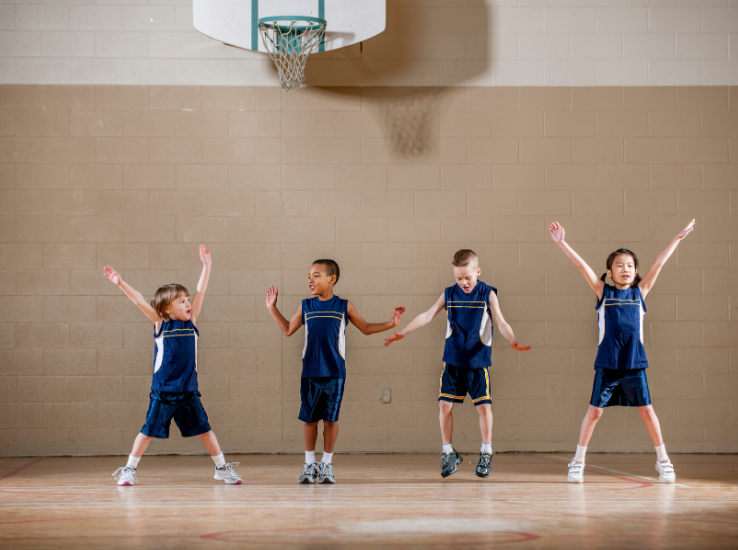













Childhood has always been about playing, exploring, making friends and discovering the world. But the way children experience these things has changed significantly over the years.
For many parents, childhood memories may include riding bicycles around the neighbourhood, playing hide-and-seek with friends, spending afternoons at the playground or simply creating games with whatever was available. Today, children are still able to enjoy these experiences, but they also have another world at their fingertips. With a tablet, phone, computer or game console, they can enter virtual worlds, watch videos, play games and communicate with friends without leaving home.
Childhood today may look different from what many parents remember, but that does not make it better or worse. As technology becomes part of everyday life, it has begun to shape how children play, interact with others and experience the process of growing up.
The Playground Has Changed
In the past, children often spent their free time outdoors, meeting friends and improvising their own games. With a little imagination, a simple playground could become a castle, a spaceship or a world of their own.
Digital technology has introduced a completely different kind of play. Children can now explore virtual environments, build cities, solve puzzles, create characters and play with people from different parts of the world.
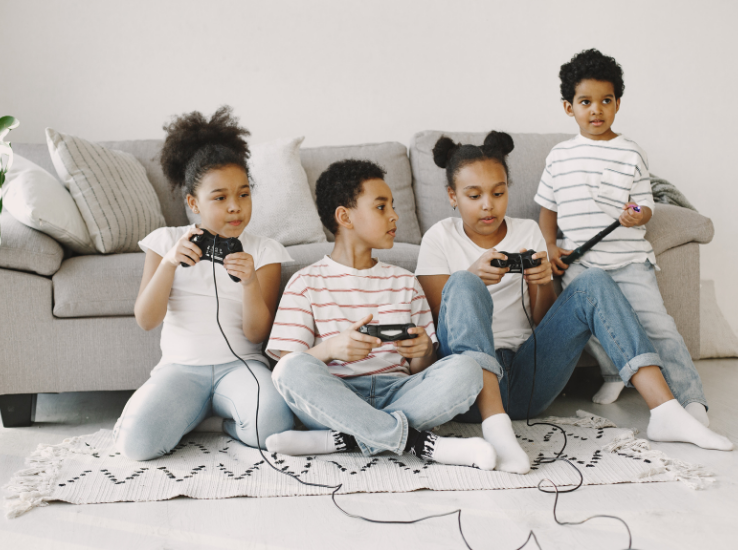
Children are now able to play in different ways through technology. Video games and online games encourage skills in problem-solving, decision-making and creativity. Some games also allow children to work together and communicate with others.
However, face to face physical play often outside the home offers experiences that a screen cannot fully replace. Running, climbing, balancing and exploring outdoors enable children to develop physical skills while learning to understand their surroundings.
Outdoor play is also often unpredictable. A game may change halfway through, or children may disagree about the rules. These everyday situations provide children with opportunities to negotiate, adapt and solve problems.
Perhaps the real question is not which type of play is better, what is important is how parents provide children with enough opportunities for both by making good use of the best features of both types of play.
From Neighbourhood Friends to Online Friends
Technology has also changed the way children build friendships and relate with their peers.
In the past, friendships often developed through school, neighbourhoods, sports teams or other activities where children met face-to-face. Today, children are also able to make social connections through online games and digital communities.
For some children, this may have a positive effect. Online spaces often help children connect with others who share the same interests, especially when they may not find many like-minded friends around them.
At the same time, there are significant differences between online communication and face-to-face interaction. Children are able to cultivate important social skills through everyday conversations. For instance, they learn to study and interpret facial expressions, to understand body language and to take turns to speak and respond to other people's views and the emotions they reveal.
Face-to-face friendships also allow children to experience disagreements, work out compromises as well as cooperate with others in real-life situations. These experiences enable children to appreciate that the building of authentic relationships requires time, patience and effort.
This is why real-world friendships still matter, even as online connections become more common.
The Changing Role of Boredom
Another noticeable difference between childhood in the past and today may be seen in how children experience boredom.
For many parents, being bored was simply part of growing up. When there was nothing planned, children had to find their own ways to stay entertained. They might draw, read, build something, play outside or invent games with their friends.
Today, entertainment is much easier to access. With a phone, tablet or computer nearby, children can quickly switch from a game to a video or another form of entertainment whenever they feel bored.
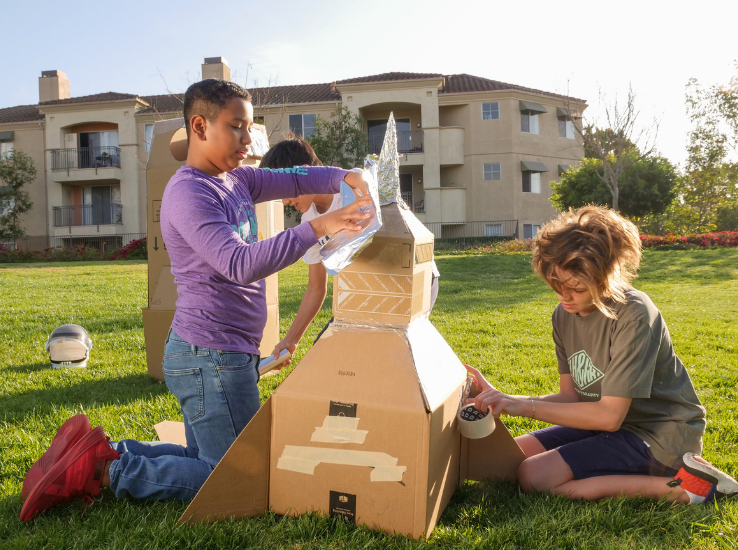
While boredom may feel uncomfortable for children, it can also give them a chance to be creative. Without a screen or activity telling them what to do, they are able to come up with their own ways to play. A cardboard box becomes a house, a blanket is converted into a tent, and a few toys become characters in a story.
This does not mean screens should be completely avoided whenever children are bored. Instead, parents could give children time where nothing planned. These quiet moments encourage, reflection, and ignite creativity, independence and curiosity, thus reminding children that they do not always need to be entertained.
Childhood Is Becoming More Structured
Another change has to do with the amount of structure in children's everyday lives.
Many children now have busy schedules filled with school, additional tuition, sports, music lessons and other activities. When they finally have free time, screens become an easy way to relax.
There is nothing wrong with structured activities. They often help children to discover their interests and to develop new skills. However, children also need time on their own where there is nothing planned by adults.
Unstructured play allows children to decide what they want to do, who they want to play with and how they want to solve problems. It gives them a chance to practise independence without an adult constantly directing the activity.
Spending an afternoon building something with cardboard may not look like traditional learning, but it provides children with opportunities for cultivating creativity and patience as well as important skills such as planning and problem-solving.
Are Screens Really the Problem?
With children spending more time on devices, it is easy to think that screens are the reason childhood has changed. But screens are not necessarily the problem. It depends on how they are being used.
Children use technology for many reasons, from learning and doing schoolwork to playing games, watching videos and staying in touch with friends. Some activities encourage creativity and learning, while others are simply a way to relax or pass the time.
Instead of looking at all screen time in the same way, parents may want to consider what children are doing on their devices and what they might be missing out on with an excessive preoccupation with their devices. There should still be time for sleep, outdoor play, family, friends and other activities away from screens.
Screens are now part of everyday life, so the goal is to help children learn how to use them in a healthy and balanced way.
Making Space for Both Worlds
Modern childhood does not have to be a choice between the playground and the screen. There is no reason why children cannot continue to enjoy video games, riding bicycles, watching videos, making things with their hands, connecting with friends online and building friendships in person.
For parents, striking the right balance may simply involve setting aside some screen free time, encouraging outdoor activities or giving children the freedom to decide how they want to spend some of their free time.
It is important that parents also take an interest in what their children do online. Instead of just asking how long they have been using a device, they could ask what they are playing, watching or creating.
Simple activities such as a family walk, a trip to the playground, baking together or playing board games are worth pursuing as they give children meaningful experiences away from screens.
With the right balance, technology has its place in the lives of children as they grow up as long as there isn’t an excessive pre-occupation with it that deprives children of the simple experiences that they need as they grow, explore and connect with others.
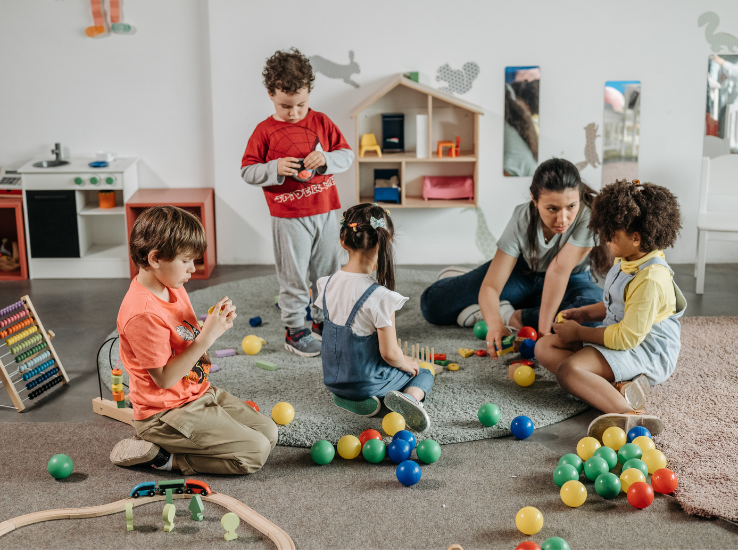
The experience of childhood continues to evolve as technology becomes increasingly integrated into everyday life. The ways children play, learn and communicate today may differ from the experiences of previous generations, reflecting the changing world around them.
Providing children with a range of experiences remains important. Technology is able to support learning, creativity and communication, while outdoor activities, face-to-face interaction and unstructured play offer valuable opportunities for children to develop and explore.
A balanced childhood allows children to benefit from technology while continuing to experience the simple activities and meaningful relationships that shape their development. Ultimately, these experiences, relationships and memories play an important role in shaping a meaningful childhood.