









For many children, losing a game can be difficult. Whether it is a football match, swimming competition, school sports day or even a friendly board game, losing can bring disappointment, frustration and sometimes tears. Some children may want to give up, while others may blame themselves, their teammates or even the referee.
As parents, it can be tempting to make children feel better immediately by saying, “It’s okay, you’ll win next time.” While encouragement is important, losing can also be a valuable learning experience. When children are given the chance to process disappointment and reflect on what happened, they can develop skills that are useful far beyond the sports field.
Learning That Losing Is Part of Life
Children naturally enjoy winning. It feels good to see their hard work pay off, especially when they have spent time practising. But winning every time is not realistic.
Losing helps children understand that not every situation will go according to plan. Sometimes they will work hard and still not get the result they hoped for. This can happen in sports, school, friendships and many other parts of life.
Learning this early can help children become more comfortable with setbacks. Instead of seeing a loss as something terrible, they can gradually learn to see it as one part of the experience.

Learning How to Handle Disappointment
A child who is upset after losing is not necessarily being a poor sport. They may simply be experiencing disappointment and have not yet learned how to manage it.
Sports can provide children with opportunities to experience these emotions in a safe environment. They may learn that it is okay to feel upset, but it is also important to know what to do with those feelings.
Parents can give children some time to calm down before discussing the game. A simple question such as, “How did you feel about the game?” can give children the opportunity to talk instead of immediately being told how they should feel.
Over time, children can become better at managing frustration and recovering after difficult moments.
Building Resilience
One of the most important lessons children can learn from losing is that a setback does not have to be the end.
A child may miss an important goal, lose a race or make several mistakes during a match. They may feel like they are not good enough. With the right support, however, they can learn to look at what happened, practise their skills and try again.
This is where resilience begins.
Instead of expecting children to succeed every time, parents can help them understand that improvement often takes time. Losing today does not mean they cannot do better tomorrow.
Understanding the Value of Practice
Losing a game can help children see that improvement takes time, patience and practice.
They may notice that there is a particular skill they need to work on or something they could have done differently during the game. Rather than focusing only on the final result, parents can encourage children to think about what they learned and what they can work on next.
Simple questions such as, “What would you like to practise more?” or “What could you try differently next time?” can help children look at setbacks in a more positive way.
The aim is not to make children feel that a loss is their fault. Instead, it is to help them understand that every experience can teach them something and that there is always room to learn, practise and improve.
Learning Good Sportsmanship
Winning can be exciting, but losing can teach children just as much about how to treat others.
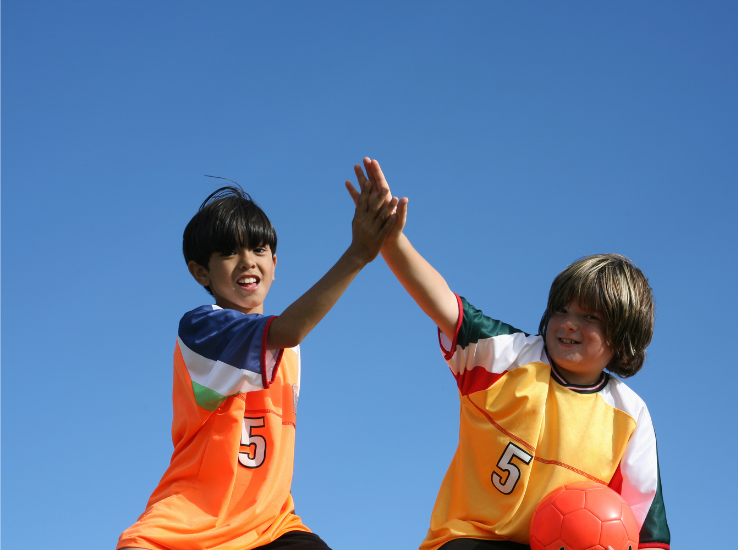
Children can learn to congratulate the winning team, shake hands with their opponents and appreciate the effort of their teammates. They may also learn that someone else’s success does not take away from their own abilities.
Good sportsmanship is not just about following the rules. It is about showing respect, controlling emotions and being able to celebrate others even when things did not go your way.
These are social skills that children can carry into school, friendships and later life.
Learning From Mistakes
Mistakes are a natural part of learning any new skill. A child who loses a game may have made several mistakes along the way, but that does not mean the entire experience was unsuccessful.
Instead of asking only, “Why did you lose?”, parents can encourage children to think about what happened during the game.
Did they rush? Did they find it difficult to communicate with their teammates? Was there a skill they were still learning?
Looking at mistakes in this way can help children understand that mistakes are not something to be ashamed of. They can be useful clues that show us what we can work on next.
Understanding That Effort Matters
Sometimes, children can become so focused on the final score that they forget everything else they achieved during a game.
A child may lose a match but still show courage by trying a new skill. They may encourage a teammate, keep going when they were tired or improve compared with their previous game.
Parents can help children notice these achievements.
Instead of always asking, “Did you win?”, try asking, “What was your favourite part?” or “What are you proud of?”
This helps children understand that success is not always measured by a trophy or a winning score.
How Parents Can Help After a Loss
The way parents respond to losing can influence how children see competition.
After a disappointing result, children may not need a long explanation or advice straight away. Sometimes they simply need time to process what happened.
Parents can:
- Give children space to feel disappointed.
- Listen before offering advice.
- Praise effort, courage and improvement.
- Avoid comparing them with other children.
- Encourage them to think about what they learned.
- Remind them that one loss does not define their ability.
- Keep sports enjoyable rather than making every game about results.
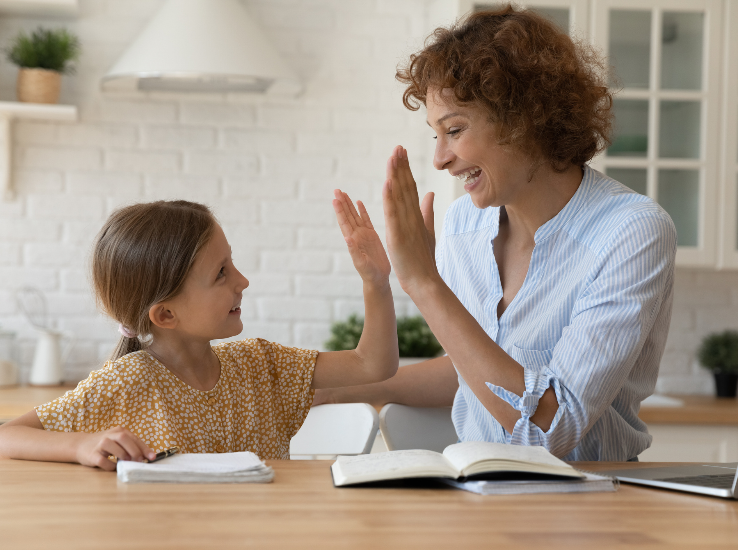
Most importantly, parents can show children that their love and support do not depend on whether they win or lose.
Keeping Competition Fun
Competition can be a positive part of childhood when it is kept in perspective. It can motivate children, give them goals and teach them how to work with others. But children also need opportunities to play simply because it is fun.
Not every game needs to become a serious competition. Sometimes the best part of sport is running around with friends, trying something new and enjoying the experience.
When children feel that they are allowed to make mistakes and lose without being judged, they may become more willing to take on challenges. They can focus on learning rather than being afraid of failure.
Losing a game may feel disappointing for a child, but it can also be a moment for them to learn and grow.
With encouragement from parents, children can learn to accept disappointment, learn from their mistakes and have the confidence to try again. These small moments can help them become more resilient and patient over time.
In the end, sports are not just about winning. They give children the chance to build confidence, learn important life skills and discover that it is okay to fall short sometimes, as long as they keep moving forward.