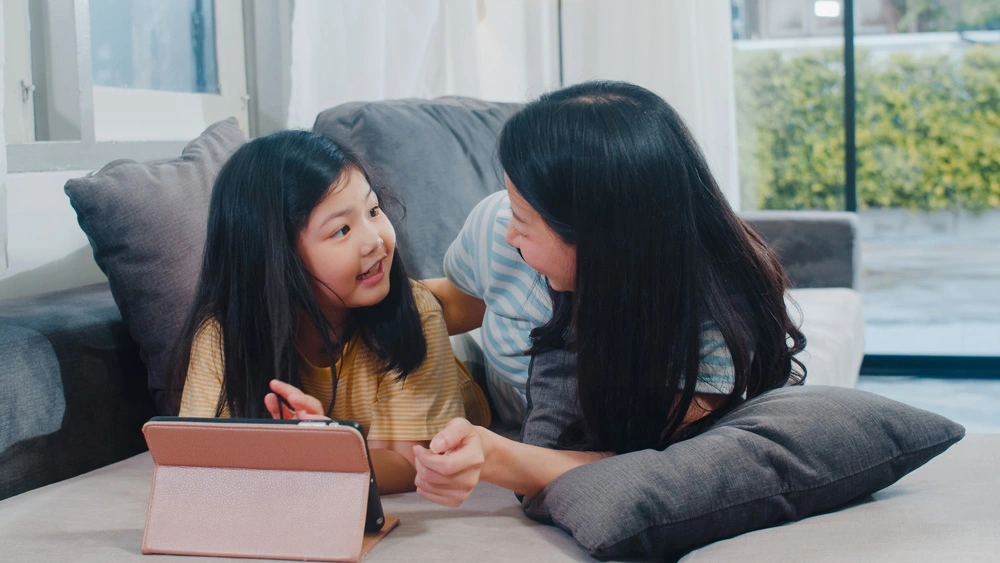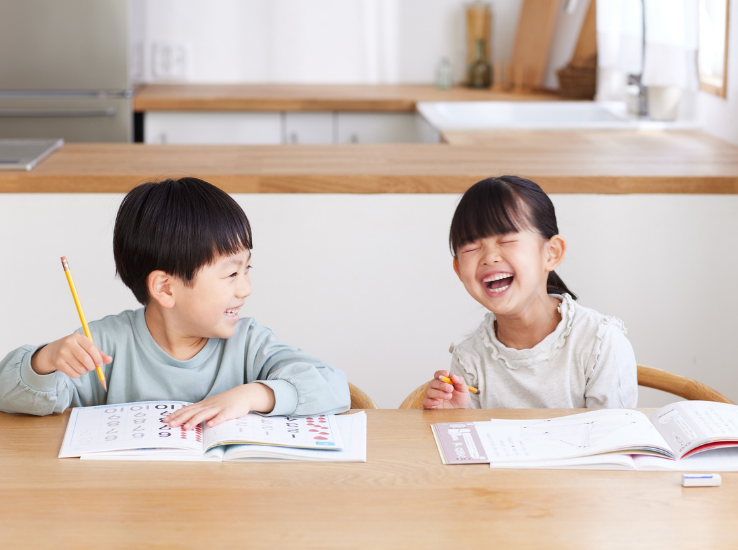










As a parent of a primary school student, you've likely faced the common dilemma: "Should I help, or should I let my child do it alone?" This question arises daily with homework, packing school bags, or navigating friendships. Let's explore how to find the right balance.

Areas Where Your Help Is Still Essential
Children in the early school years need a sense of security and a solid foundation of healthy habits. In this phase, a parent's role is to act as a guide, ensuring their child stays on the right track.
Routine Building: Help your child establish daily habits like eating breakfast, setting aside time for homework, and creating a bedtime routine.
Emotional Support: Regularly check in with your child about their day, their feelings, and their friendships. This ensures they feel supported and understood.
Learning Fundamentals: Guide them as they develop focus and proper study habits. This creates a strong foundation for their future academic success.
Safety Supervision: In areas such as traffic safety, online activities, or interacting with strangers, parental supervision is still essential. Independence should never come at the cost of safety.
Areas Where Your Child Should Try Alone
Excessive parental involvement can prevent children from developing problem-solving skills and independence. Give them opportunities to learn from small challenges and take on responsibilities.
School Preparation: Encourage your child to pack their own school bag and supplies. You can quietly double-check at first, but the goal is for them to take full responsibility. This prevents the habit of saying, “Mom forgot to pack it for me.”
Making Choices: Let your child make small decisions, such as what to wear, which snack to choose, or the order in which to do their homework.
Taking Responsibility: If your child forgets their homework, let them explain the situation to the teacher themselves instead of rushing to bring it to school. This experience teaches them to be accountable for their actions.
Problem-Solving: Encourage your child to talk directly to a friend to resolve a conflict rather than stepping in to solve it for them.
How to Find the Right Balance
Your role should evolve as your child grows. During the early grades (1-2), more hands-on involvement is natural and helpful. As they progress (from grade 3 onward), you can gradually step back, allowing them to make more choices and learn from their mistakes.
A great way to gauge their readiness is to simply ask them. Try this question today:
"Do you want to do this on your own, or would you like me to help?"
Their answer might surprise you and provide valuable insight into how ready they are to take the next step toward independence. Your job isn't to do everything for your child; it's to equip them with the skills and confidence to do it themselves.
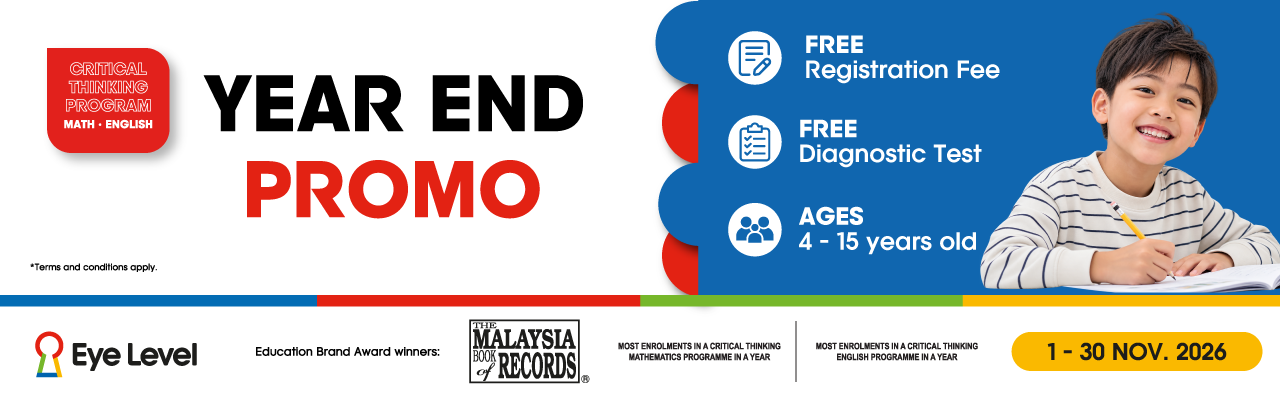
Enroll today at Eye Level during our Year End Promo! Ends 30th November 2026 and let Eye Level help your child to do independent learning, when and where.
Visit www.myeyelevel.com for more info.