







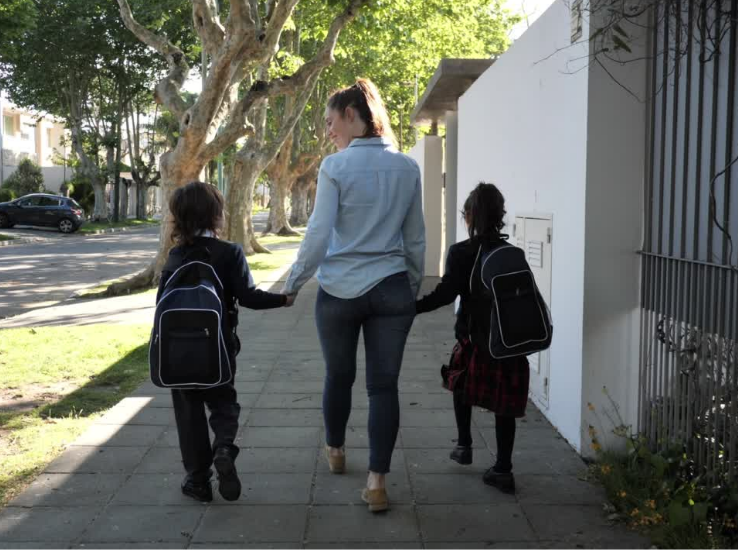
Moving from primary to secondary school is an important milestone in a child’s educational journey. It marks the beginning of a new stage, often involving changes to the school environment, academic expectations, friendships and daily responsibilities. While some children may look forward to meeting new friends, exploring new subjects and gaining more independence, others may feel nervous about leaving behind a familiar routine.
For parents, this transition is an opportunity to provide support while gradually encouraging their children to assume greater responsibility for their own learning and decisions. Every child will adapt differently, but understanding what to expect enable families prepare for the changes ahead and to make the transition a positive experience.
Understanding the Changes Ahead
One of the key changes when moving from primary to secondary school has to do with the structure and pace of daily school life. Children may encounter a wider range of subjects, different teachers and a more varied timetable, while also taking on greater responsibility for their own schedules and schoolwork.
The new school environment may also be larger, with a greater number of students, facilities and activities. While this may turn out to be an exciting experience for some children, others may need more time to adapt to their new surroundings.
Parents could facilitate the transition by discussing with their children what they can expect and addressing any concerns they may have. Visiting the school, attending an orientation session or becoming familiar with the school’s facilities beforehand will prepare children for the transition and instil confidence as they begin this new chapter.
Preparing for Greater Academic Expectations
Secondary school often introduces a greater number of subjects and increasingly complex academic content. Students may also have more homework, projects, assignments and assessments to undertake. They may need to keep track of different deadlines and expectations from multiple teachers.
This is a good time for parents to equip their children with practical study and organisational skills. A planner, calendar or digital schedule enables them to keep track of homework and upcoming deadlines. Having a regular study routine and a suitable space for learning at home can also make it easier to stay organised.
However, academic results should not be the only indicator of a child’s progress and achievement. Adapting to new expectations takes time, and children may not perform equally well in every subject. Encouraging and rewarding effort, progress and sound learning habits enable children develop a healthy attitude towards academic and practical challenges and acquire a deep and broad perspective on what authentic learning entails.
Encouraging Independence
One of the most important changes that students are likely to experience during the transition to secondary school is the gradual development of independence. They are expected to take ownership of their responsibilities, from remembering their timetable to completing assignments and preparing for tests.
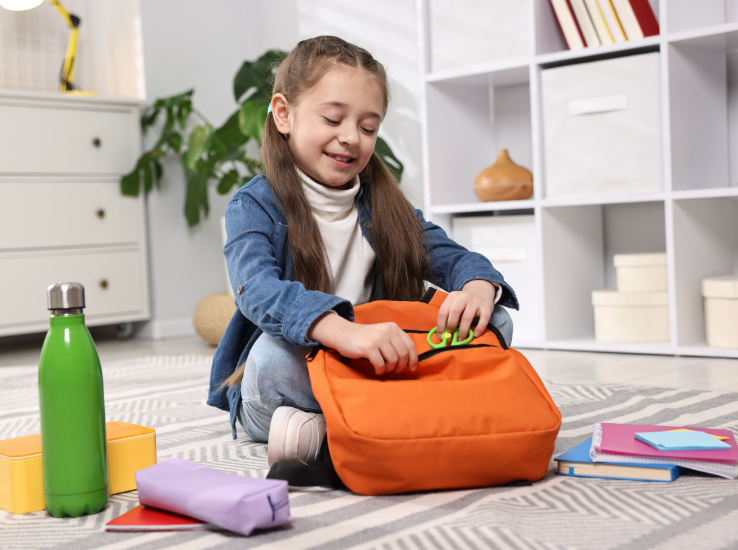
Parents will be able to support this development by giving their children age-appropriate responsibilities at home and school. Encourage them to pack their own school bags, organise their books, check their schedules and keep track of important deadlines.
It is natural for children to make mistakes as they learn. Forgetting a book or missing a deadline may be frustrating, but these experiences also teach children how to plan better and to take responsibility for their actions.
Parents do not need to step in immediately whenever a problem occurs. Giving children the opportunity to think through a situation and find their own solutions is likely to instil confidence as well as problem-solving skills and resilience.
Supporting New Friendships and Social Changes
Starting secondary school is likely to bring significant changes to a child’s social life. They will meet new classmates, develop new friendship groups or experience changes in existing friendships. While some children may quickly settle into a new social environment, others may take longer to feel comfortable.
Parents need to encourage children to be open to meeting new people and participating in activities that interest them. Joining sports teams, clubs or enrichment programmes can give children opportunities to meet new classmates and build friendships through shared interests.
At the same time, parents should understand that friendship challenges are a normal part of growing up. Creating an open and supportive environment where children feel comfortable sharing their experiences enable parents to better understand their concerns and to provide support when needed.
Looking After Emotional Wellbeing
Moving to secondary school may well be an exciting experience, but it may also bring some stress and uncertainty. Adapting to a new environment, to greater academic responsibilities and to changes in friendships may take longer time than perhaps originally envisaged.
Children may not always verbally express how they are feeling. Parents should look out for changes such as difficulty in sleeping, mood changes, withdrawal from social activities, feelings of being unwell or reluctance to attend school.
A supportive environment and open conversations are likely to make children feel comfortable about sharing their concerns. Parents can also reassure them that it is normal to feel nervous when facing a new stage of life. If these concerns continue or affect their daily routines, it would be wise to seek support from teachers or counsellors at the school
Exploring New Opportunities
Secondary school does not only involve t increased academic responsibility. It also introduces children to a much wider range of activities and interests than what they experienced at primary school.
Students will now have opportunities to participate in sports, music, performing arts, debate, technology, leadership programmes, community projects and other extracurricular activities. These experiences enable children to discover and activate interests and strengths that may not be reflected in their academic results.
Extracurricular activities draw out and enhance skills in communication, teamwork, creativity, leadership and problem-solving. Parents ought to encourage children to explore new opportunities, but there is no need to participate in everything available. Too many commitments can create unnecessary pressure.
The goal is to achieve a healthy balance between academics, extracurricular activities, rest, friendships and family time.
Adapting to Different Teaching Styles
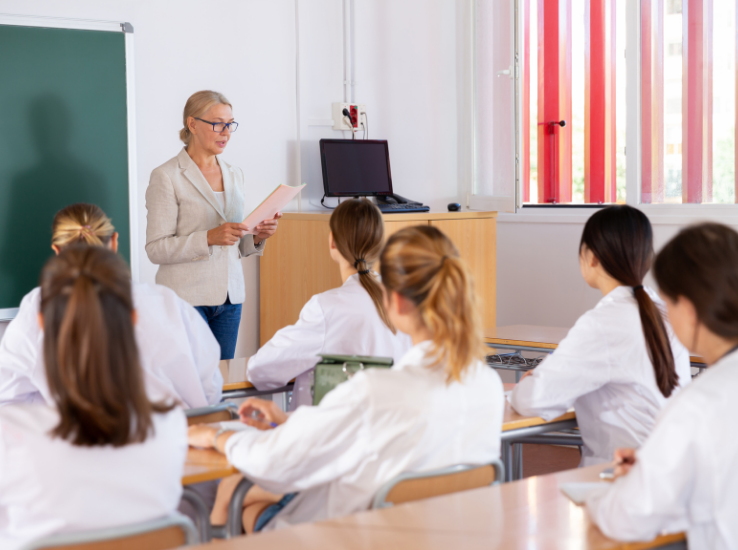
In a secondary school, children will experience learning from multiple teachers with different teaching styles and expectations. One teacher may provide detailed instructions, while another may expect students to work more independently.
Some subjects may feel easier than others, and children may need time to understand how to approach different types of work.
Parents need to encourage children to ask questions when they do not understand something and to seek help when necessary. Developing the confidence to communicate with teachers is an important part of becoming an independent learner.
Children should understand that asking for help is not a sign of weakness. Knowing when and how to seek support is an important skill that will benefit them throughout their education.
Choosing the Right Secondary School
This transition is a good opportunity for parents to reflect carefully about what type of secondary school environment would best suit their child.
Academic results are one consideration, but parents may also want to explore the school’s curriculum, teaching approach, student support, extracurricular activities, facilities and the overall school culture.
It is also worth considering the child’s personality, interests, learning preferences and future aspirations. A school that suits one child may not necessarily be the right choice for another.
Visiting schools, speaking with teachers and admissions representatives, and allowing children to share their own thoughts would go a long way in enabling families make informed decisions for their children. It is important to involve children in the conversation so that they feel their opinions and concerns are taken into account when a decision is made.
Staying Connected Without Taking Over
As children move into secondary school, the role of parents gradually changes. They may no longer need the same level of day-to-day supervision, but parental support remains important.
Instead of checking every assignment or solving every problem, parents could focus on their child’s experiences, their cultivation of good habits and being available when support is needed.
Maintaining communication with teachers and the school administration also enable parents to find out how their child is progressing. If concerns arise, early communication makes it easier to identify the right kind of support.
The aim is to strike the right balance between being involved and giving children enough space to develop their own confidence and independence.
Preparing for a New Chapter
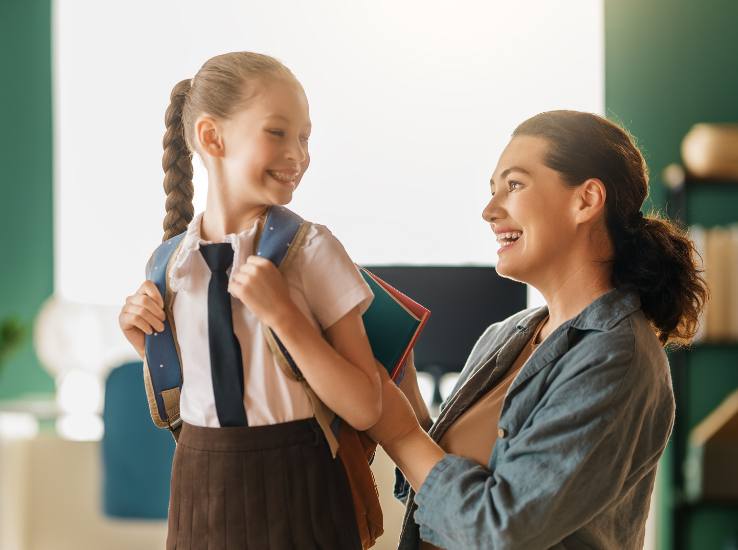
The transition to secondary school involves much more than simply moving into a new classroom. It is a period when children begin to develop greater independence, responsibility and confidence while navigating new academic and social experiences.
Parents do not need to remove every challenge from their child’s path. Their role is to provide reassurance, guidance and encouragement while allowing their children to learn from their own experiences.
Moving from primary to secondary school marks an important new chapter in a child’s education. Along with new subjects, routines and responsibilities, children may also have opportunities to explore their interests, form new friendships and discover areas where they can grow.
Parents support this transition by providing encouragement, listening to their child’s concerns and allowing them to gradually become more responsible for their own learning and daily routines. A supportive approach can help children feel more comfortable as they adapt to their new surroundings.
With time, patience and the right support, the move to secondary school is likely to be overall a positive experience, enabling children develop confidence, independence and the skills they need for the next stage of their education.