













In today’s fast-changing world, children are inundated by all kinds of advertisements, online trends, and new products that constantly influence the choices they make each day. From popular toys and the latest gadgets to fashionable clothes and collectibles, children are often encouraged to desire more things. While it is natural for children to enjoy things they like, helping them understand the difference between a need and a want is one of the most valuable financial lessons parents can introduce early in their life.
Learning this concept from an early age enables children to make thoughtful decisions, cultivate healthy spending habits and build a strong foundation for financial responsibility in the future.
Understanding Needs and Wants
A need is something essential for daily living, health and well-being. These include necessities such as food, clean water, suitable clothing, a safe home, education and healthcare. These are things that support a child's growth, learning and overall development.
A want is something that makes life more rewarding but is not essential. Toys, video games, branded items, the latest gadgets or extra snacks are examples of wants. These items can provide happiness and excitement, but they are not required for a child to live a healthy and fulfilling life.
For children, understanding the difference between needs and wants may not always be easy. A child may believe they need a new toy because their friends have one, or they may want a particular item because they saw it online. Since children's understanding of money and its value is still developing, they often make decisions based on emotions rather than necessity.
This is why parents play an important role in training their children to think carefully before spending.

Turning Everyday Situations into Learning Opportunities
One of the easiest ways to teach children about needs and wants is through everyday experiences. Simple activities such as grocery shopping, visiting a bookstore or planning a family purchase can become valuable learning opportunities.
Parents can encourage children to ask questions like, "Do we need this, or do we just want it?"
For example, fruits, vegetables and rice are needs because they are important for daily meals. Items such as sweets, yet another toy, or an unnecessary item would usually be considered a want. By having conversations regularly on these matters, children gradually learn how to make better spending decisions without feeling constrained in any way.
Parents can also involve children in shopping preparation by creating a list together before going out. When children ask for something extra, parents can discuss whether it is a necessity or something that can wait for another occasion, such as a birthday or special celebration.
These simple discussions teach children that not every desire needs to be fulfilled immediately and that planning can lead to smarter choices. In making decisions about current and future spending, they learn to distinguish between immediate and deferred gratification and the significant impact this can have on their lives.
Teaching the Value of Saving and Patience
Understanding needs and wants is closely connected to learning the importance of saving. In today's digital world, where online purchases can be made instantly, children may become used to getting what they want immediately.
Teaching children about delayed gratification helps them cultivate patience and self-control. For example, if a child wants a new football, bicycle or toy, parents can encourage them to set a savings goal. They can save part of their pocket money over time or earn some money from their parents by undertaking simple responsibilities at home.
When children finally reach their goal and purchase the item themselves, they often appreciate it more because they understand the effort behind it. This experience teaches them that good things are worth waiting for.

Using Pocket Money as a Financial Lesson
Pocket money can be a useful tool for teaching children about managing money. Instead of allowing children to spend everything immediately, parents can encourage them to place their money into different categories, such as spending, saving and sharing.
This introduces children to the principles of basic budgeting and helps them understand that money is limited. The scarcity value of money and resources is an important economic concept. Every spending choice involves an opportunity cost, another important economic concept. If you buy something, the money that you spend on it is no longer available for another purchase Thus they will learn that if they spend all their money on small purchases, they may not have enough left for something more meaningful later on.
These real-life experiences sensitize children about the value of money and enable them to make more responsible choices.
Parents as Role Models
Children learn not only from what parents teach them explicitly but also from what they infer from their parents ‘spending behaviour. When parents demonstrate thoughtful spending habits, children are more likely to develop similar behaviours.
Simple actions such as comparing prices, waiting for discounts, repairing items instead of replacing them, or discussing why a purchase is necessary can show children how responsible financial decisions are made.
Parents do not need to have detailed conversations about finances, but involving children in age-appropriate discussions helps them understand that careful consideration of choices should precede] actual spending.
Finding a Balance Between Needs and Wants
Teaching children about needs and wants does not mean they should never enjoy the things they like. The fulfilment of wants are a normal part of life, too, and can result in greater happiness, enhanced creativity and meaningful memories.
The goal is to help children understand that the satisfaction of wants should come after essential needs have been met. Learning this balance allows children to enjoy spending while still developing responsible habits.
For example, saving for a favourite toy or prioritizing one special item over many unnecessary things provides children with opportunities for practising self-control and prudent decision making.
Helping Children Make Smart Choices in a Digital World
Technology and social media have made financial lessons even more important. Children today are frequently exposed to online advertisements, influencers and trends that encourage them to buy new products.
They may feel pressure to own the latest gadgets, fashionable items or popular collectibles because they see others having them. Instead of simply saying "no," parents can encourage children to think critically by asking questions such as:
- "Why do you want this item?"
- "Will you still enjoy it after a few months?"
- "Is this something you need or something you want?"
These conversations help children understand their own spending choices and avoid making decisions based only on trends or peer pressure.
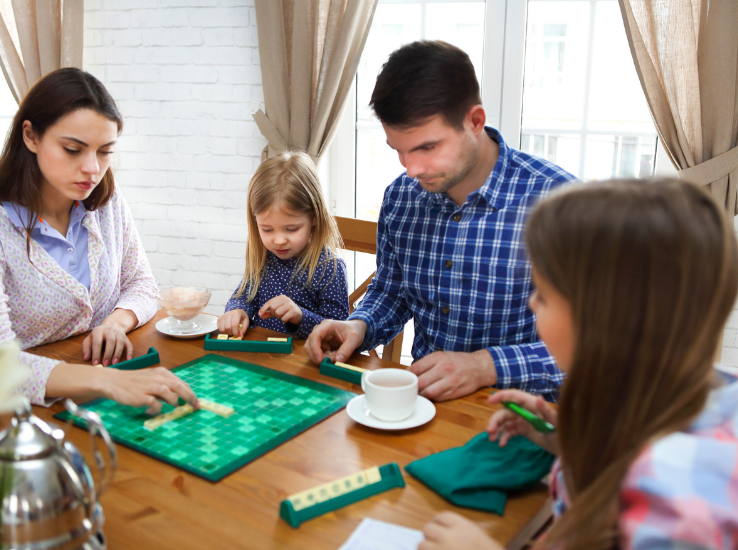
Making Money Lessons Fun
Learning about money does not have to be complicated. Parents can make financial education enjoyable through simple games and activities.
For younger children, families can create a "needs vs. wants" sorting game by using pictures of different items and asking children to categorise them. Activities such as pretend shopping, setting up a mini store at home, or reading books about money can also make learning more interactive.
These experiences help children understand financial concepts in a fun and practical way.
Building Lifelong Financial Confidence
As children grow older, parents can gradually introduce more advanced money skills, such as budgeting, comparing prices, saving for bigger goals and understanding responsible online spending.
Schools can also support financial literacy through classroom activities, entrepreneurial projects, and lessons about money management. When children receive guidance both at home and in school, they develop greater confidence in making financial decisions.
Teaching children the difference between needs and wants may seem like a simple lesson, but it creates important habits that can last a lifetime.
Ultimately, teaching children about needs and wants is not only about saving money. It is about developing important life skills such as patience, responsibility gratitude and critical thinking.

Children who learn how to make thoughtful spending decisions are more likely to become adults who manage money wisely, set goals and make informed choices.
Every family has different financial circumstances, but the key in all cases is to start early. Through everyday conversations, practical experiences and positive examples, parents can help children cultivate a healthy relationship with money.
A simple lesson about knowing the difference between what we need and what we want can become the foundation for a lifetime of smart financial choices.