







Ask a child what he loves most about Malaysia, and you may get an answer you may not have expected.
“Nasi lemak.”
“The holidays.”
“My school friends.”
“The food court near Grandma’s house.”
For a child, the idea of a country is rarely about maps, historical dates or national policies. It is made up of the things he sees and experiences every day. The languages heard at the mamak stall, the different celebrations on the school calendar, the smell of satay at a family gathering and the excitement of seeing the Jalur Gemilang lining the streets in August.
Malaysia Day and Merdeka Day are a good time to reflect on what it means to grow up in Malaysia. But getting children to appreciate the country they call home does not have to be limited to two public holidays a year.
Perhaps, it begins by encouraging them to notice, understand and appreciate the people and experiences around them.
Malaysia Is Made Up of Many Stories
The essence of what it is to be Malaysian cannot be reduced to a single experience.
A child growing up in Kuala Lumpur may have a very different childhood from one growing up in Kota Bharu, Kuching, Ipoh or Kota Kinabalu. Some families speak Bahasa Malaysia at home, while others move between Mandarin, Tamil, English, Iban, Kadazan and other languages and dialects.
Children do not need to memorise every cultural practice or become experts on every community. What matters is getting them to understand that there are many ways to live, celebrate and see the world.
You could start a conversation with simple questions such as
“Why do you think this celebration is important?”
“Have you ever tried this food before?”
“What language do you think they are speaking?”
Igniting the curiosity of children is often a better way of sensitizing them to what being Malaysian means rather than simply telling them what they should know.
Start With Food
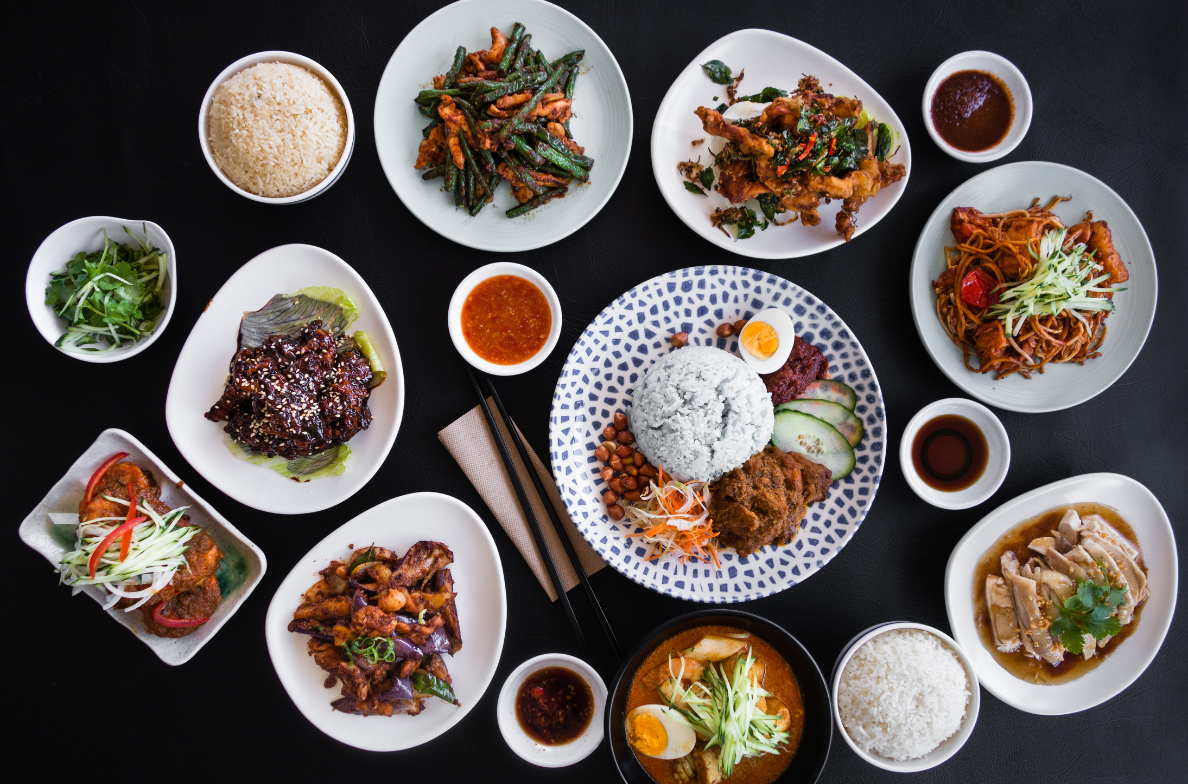
If there is one thing most Malaysians can agree on, it is that food is a big part of life.
For children, food may also be one of the easiest ways to get them to learn about different communities and traditions.
A family outing is an opportunity to try something unfamiliar. Perhaps, you may want to try nasi kerabu for the first time, a bowl of Sarawak laksa or banana leaf rice.
You can talk about where the food comes from, but there is no need to turn a conversation around dinner into a lecture.
Sometimes, it is enough to say, “This is popular in this part of Malaysia. Shall we try it?”
The next time you are ordering food together, let your child choose something new. He may not like it, and that is fine. The point is to encourage a willingness to explore.
Food also has a way of bringing people together. Some of the best conversations happen around a dining table, and children then learn that sharing a meal is often one of the simplest ways to learn about another person's culture.
Look Beyond the Usual Routine
It is easy to stay within familiar places. The same shopping mall, the same restaurants and the same holiday destinations.
But Malaysia has many stories beyond the places we visit most often.
A weekend trip does not have to be expensive or planned to the last detail. Visit a museum you have never been to. Walk through an old town. Explore a different neighbourhood. Learn about the history of a building you may have passed many times without noticing anything significant about it.
If your family travels to another state, encourage your child to notice what feels different. The food may change. The accent may sound unfamiliar. The landscape may look completely different.
These experiences enable children understand that Malaysia is bigger than their own neighbourhood.
Celebrate With Curiosity and Respect
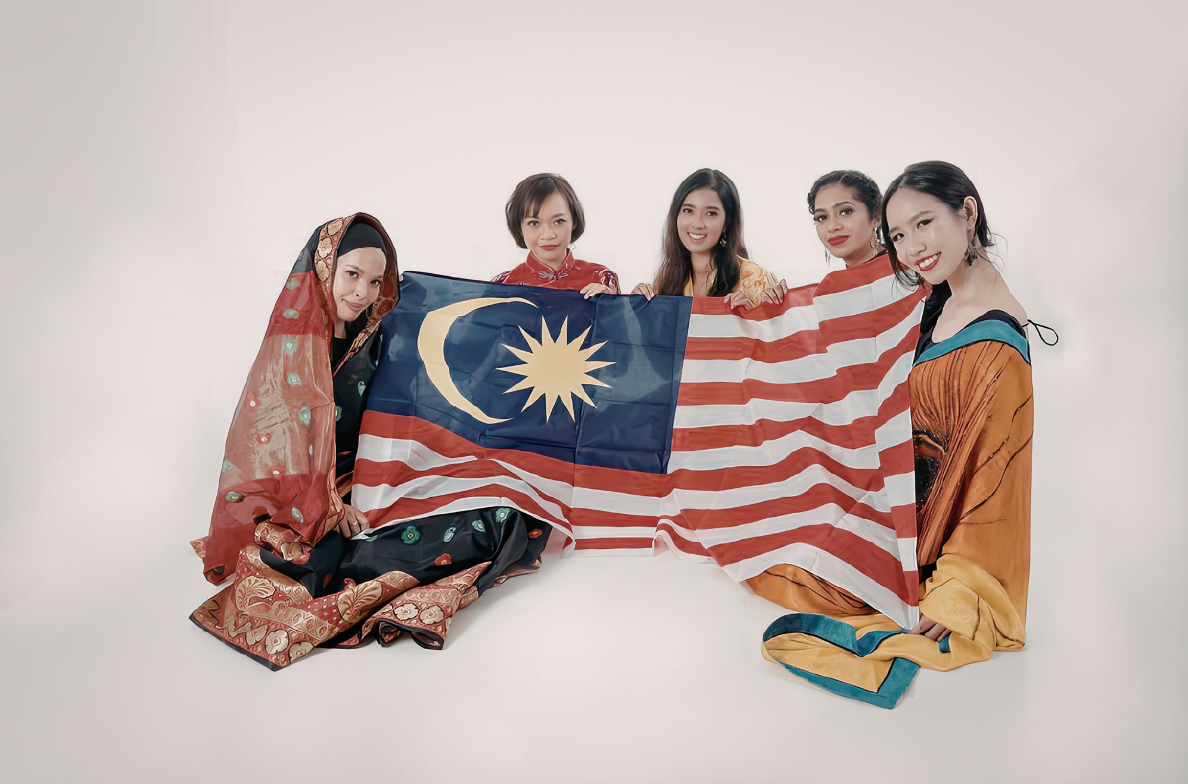
Festive celebrations are another natural way for children to learn about the people around them.
They may look forward to Hari Raya, Chinese New Year, Deepavali, Christmas, Gawai or Kaamatan because of the decorations, food and excitement. But these occasions also serve as an opportunity for children to understand the significance of a celebration and why it is meaningful to others.
If your child has a friend who celebrates a festival your family does not observe, encourage him or her to ask questions respectfully. Attend an Open House if you are invited ask questions about the traditions behind the celebration.
The goal is not for children to know everything. It is to enable them to grow up feeling comfortable around differences and interested in learning more.
Let Them Hear Different Languages
One of the interesting things about growing up in Malaysia is
having frequent opportunities of listening to different languages being used around us.
Children may hear Bahasa Malaysia at school, English in the classroom, Mandarin in a shop or Tamil at a restaurant.
Instead of treating unfamiliar languages as background noise, encourage your child to pay attention to them and to ask questions about them as needed.
“What language do you think that is?”
“Do you know how to say hello?”
Children do not need to speak every language they hear. Simply understanding that different languages are a natural part of the world around them is likely to make them more open-minded.
Show Them That Being Malaysian Can Mean Different Things
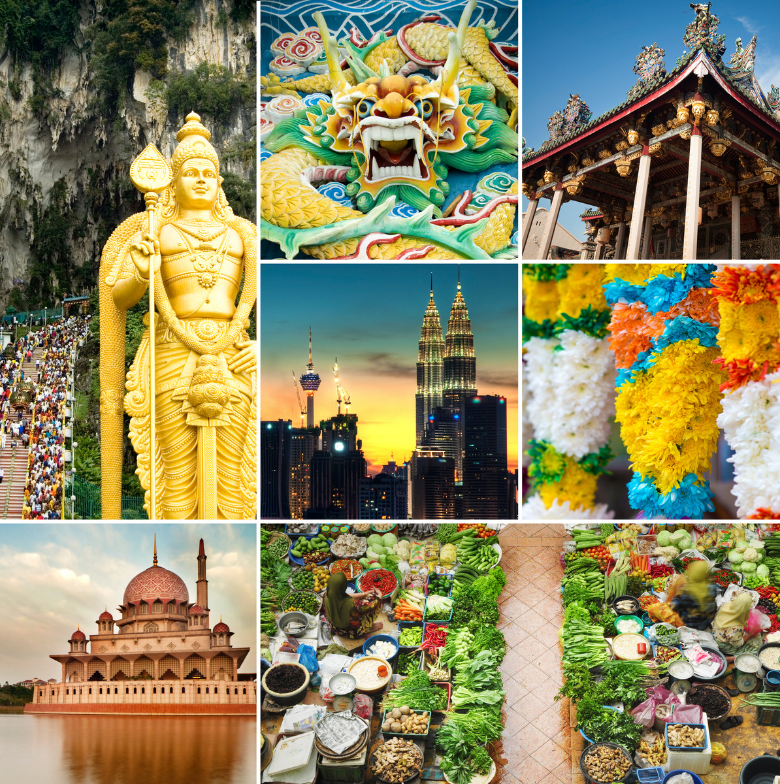
Carry out a simple opinion poll. Ask ten people what being Malaysian means to them, and you may get ten different answers.
For some, it is about family traditions. For others, it may be about food, language, faith or the place where they grew up.
That is okay.
Children do not need to have one particular idea of what a Malaysian should look like or how a Malaysian should speak. What matters is enabling them to understand that our differences do not make us less connected.
As children grow older, they may also begin asking difficult questions about the country and the world around them. We do not have to pretend everything is perfect. Caring about a country also means wanting to understand its challenges and hoping to make it better.
The Country They Call Home
Perhaps the most important thing we can teach children is that Malaysia is not just a chapter in a textbook.
It is the place where everyday memories are made.
It is the favourite food they ask for after school, the friend who celebrates a different festival and the languages they hear around them. It is family trips, familiar streets and the small experiences that may one day become the fond memories they look back on.
As parents, we need to encourage children to ask questions, to try something new and to listen to different stories.
Because growing up Malaysian is not only about knowing the words to the national anthem or remembering important dates.
It is also about learning to live in a country filled with different stories and understanding that, somehow, all of those stories are an integral part of the place we call home.