










Children do not always have the words to explain when they are feeling anxious. While some may openly say that they are worried, others may show their feelings through changes in behaviour, mood or in everyday routines. These signs may sometimes be mistaken for fatigue or stubbornness or simply as a symptom of a difficult phase of growing up.
Anxiety is a normal part of life, and worry is something every child may occasionally experience. However, when anxious feelings become frequent, intense or begin to interfere with a child’s daily life, they may require more attention, support and intervention by counsellors. For parents, recognising the less obvious signs may be an important first step in understanding what a child may be going through at a particular point in time.
Understanding the Different Signs of Anxiety
When people think of anxiety, they may imagine a child who is visibly nervous, constantly asking questions or worrying about the future. In reality, anxiety may manifest itself in many different ways.
A child who is anxious may become unusually quiet, lose interest in activities they normally enjoy or become more irritable than usual. Some children may complain of headaches, stomach aches or feeling unwell, even when there seems to be no obvious physical cause. Others may become overly dependent on their parents or avoid situations that make them uncomfortable.
These behaviours do not necessarily indicate that a child is experiencing anxiety, as changes in behaviour may occur for a variety of reasons. However, persistent or noticeable changes should not be overlooked, particularly when they occur during periods of stress or significant life changes.
Changes in Sleep Patterns
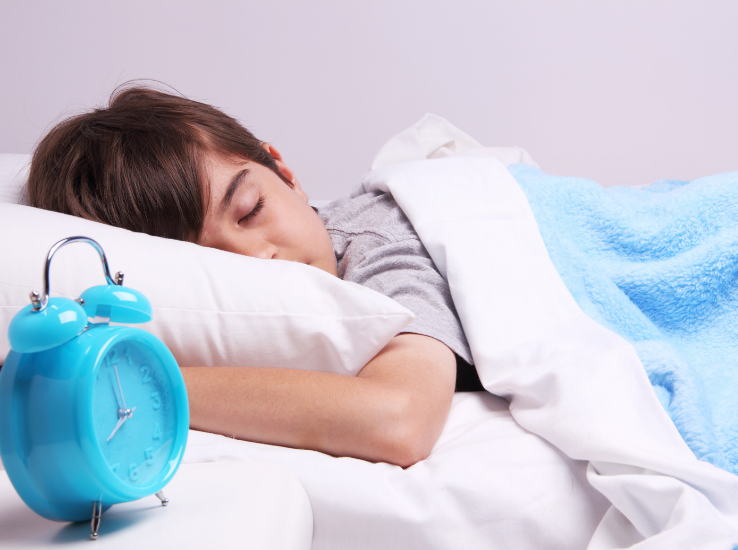
Sleep may be one of the first areas affected by anxiety. Children may have difficulty falling asleep because their mind is busy with worries about school, friendships, exams or other concerns. They may also wake up frequently during the night or begin having nightmares.
Some children may want to sleep with a parent or become reluctant to go to bed alone. Others may feel tired during the day because they are not getting enough restful sleep.
It may be easy to assume that changes in sleep are simply part of a child’s routine, especially during busy or demanding school periods. However, when sleep difficulties persist, it may be helpful for parents to gently explore whether underlying concerns or worries could be affecting their child.
Irritability and Emotional Changes
Anxiety does not always make children look worried. Sometimes, it makes them appear angry or frustrated.
Children who are anxious may become impatient, have frequent emotional outbursts or react strongly to situations that would normally not bother them. They may seem more sensitive to criticism or become upset over minor mistakes.
For younger children, anxiety may be particularly difficult to express verbally. Instead of directly communicating their worries, they may show their feelings through frustration, reluctance to complete homework or increased arguments.
Rather than focusing only on the behaviour, parents may want to investigate what may be behind these changes. A calm and supportive environment enable children to feel comfortable expressing their emotions.

Changes in School and Social Participation
Avoidance is another sign of anxiety that may easily go unnoticed. A child may become reluctant to attend school, to participate in activities or to spend time with certain groups of people. They may frequently ask to stay home or complain about feeling unwell before school or other activities.
While avoiding a stressful situation may provide temporary relief, repeated avoidance is likely to reinforce anxious feelings over time and make the situation increasingly difficult to manage.
Rather than assuming a child is being difficult or unmotivated, parents could try to understand what may be contributing to these changes and provide appropriate support.
Physical Complaints Without an Obvious Cause
Anxiety may sometimes show up through physical symptoms, particularly when children find it difficult to express their emotions. These may include headaches, stomach discomfort, nausea, dizziness, muscle tension or a racing heartbeat.
A child may feel physically unwell when facing stressful situations, such as presentations, examinations, school events or unfamiliar social settings. These symptoms may appear even when the child is unable to clearly explain what is causing their discomfort.
While anxiety may contribute to physical symptoms, the latter should not automatically be attributed to emotional distress. If these concerns occur frequently, parents should seek appropriate medical advice to rule out any underlying health issues.
Fear of Mistakes and High Expectations
A child who consistently strives to do well may appear hardworking and responsible. However, a strong fear of making mistakes may sometimes be linked to underlying anxiety.
Some children may become extremely upset over small errors, repeatedly check their work or avoid trying something new because they are afraid of getting it wrong. They may also worry about disappointing their parents, teachers or friends.
Parents need to remind children that mistakes are a natural part of learning. Recognising effort, progress and perseverance, rather than focusing only on results, is likely to encourage a healthier attitude towards challenges.
Withdrawal and Loss of Interest
Some anxious children may withdraw rather than display visible distress.
They may spend more time alone, stop talking about their day or lose interest in hobbies and activities they previously enjoyed. A normally sociable child may suddenly prefer to stay at home, while another may become less willing to participate in family activities.
These changes may be concerning when they persist over time. Although children may naturally have quieter periods or occasionally lose interest in certain activities, a significant and ongoing change in behaviour may indicate that they are facing emotional challenges.

Difficulty Concentrating
Anxiety may also affect a child's ability to focus.
A child experiencing anxiety may find it difficult to stay focused, to follow instructions or to complete schoolwork efficiently. They may seem distracted, take longer than usual to finish tasks or struggle to remember information, particularly when they are preoccupied with worries.
When concentration becomes difficult, schoolwork may start to feel overwhelming. Falling behind can then add to the child’s worries, making it even harder for them to focus and stay motivated.
Parental support for their child could include creating a calm study environment, breaking down larger tasks into manageable steps and allowing regular breaks for any activity.. These small changes may reduce the pressure faced by the child and make tasks feel more manageable.
Parents’ Support for Children Experiencing Anxiety
Recognising the signs of anxiety is an important first step, but the way parents respond is likely to have a meaningful impact on their child’s overall emotional wellbeing.
a Asafe and open environment is likely to encourage children to share their thoughts and feelings with comfort and ease. Parents should listen patiently and avoid dismissing their concerns, as acknowledging a child’s emotions is likely to make their child feel understood and supported.
Maintaining a consistent daily routine may also provide children with a sense of security. Regular sleep, meals, physical activity and time to relax ensure stability, especially during periods of stress or change.
It is also important for parents to encourage children to develop their own coping skills rather than trying to solve every difficulty for them. Offering reassurance, celebrating signs of progress and allowing age-appropriate independence enable children to build confidence in managing challenges.

Knowing When to Seek Extra Support
An occasional worry is a normal part of childhood, but ongoing or persistent anxiety should not be overlooked. If a child’s anxiety begins to affect his sleep, school, friendships, family life or interest in everyday activities, it may be time to investigate what is going on and to offer additional guidance and support.
Parents could start by speaking with teachers, school counsellors or student support teams, who may be able to provide further insight into the child’s experiences at school. If concerns continue, seeking guidance from a qualified healthcare or mental health professional may also be helpful.
Most importantly, support does not need to wait until there are visible signs that a child is struggling. Paying attention to changes in behaviour, listening with patience and creating a safe environment for children to express themselves will make them feel supported and less alone in managing their worries.
Anxiety in children may not always be easy to recognise, It may be discerned in changes in behaviour, sleep, physical wellbeing and daily activities. By taking note of these subtle signs and responding with patience and understanding, parents will be better able to recognise when their child may need additional support.
A safe and supportive environment puts children at ease enabling them to express their emotions and face challenges. With the right guidance and support, children will be able to develop healthier ways to manage anxiety and build confidence as they grow.