









Children do not all learn in the same way or at the same pace. Some may start talking early, while others take more time to express themselves. Some children may spend hours building things, while others are more interested in stories, music or playing with friends. These differences are a normal part of childhood.
As children grow, there are also periods when they become especially interested in certain skills or activities. They may suddenly want to practise the same task again and again, to ask endless questions or become fascinated by something they have just discovered. These moments offer valuable opportunities for learning.
Understanding how children learn at different stages enable parents to notice these interests and provide the right environment for them to explore, practise and grow.
Learning Through Curiosity
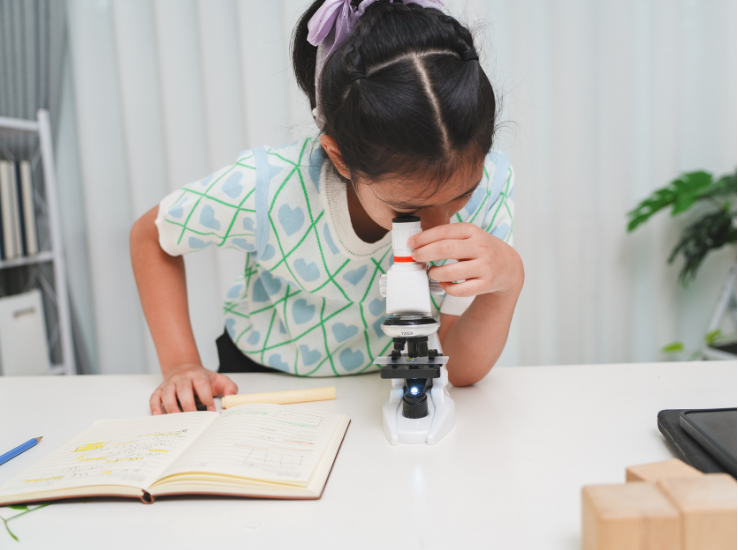
Young children are naturally curious about the world around them. They touch, observe, ask questions and experiment with almost everything they encounter.
A simple walk outside becomes a learning experience when a child starts noticing different leaves, insects, sounds or colours. A trip to the supermarket may lead to questions about numbers, food or where different products come from.
Parents do not always need to prepare special activities. Everyday experiences naturally provide children with opportunities to learn. Instead of immediately answering their questions, parents could sometimes ask them what they think the answer might be or encourage them to figure out the answers themselves through reflection and investigation.
This gives children a chance to cultivate curiosity and learn how to look for answers on their own..
When Language Starts to Take Off
Language is another area where children may show a strong interest at certain stages of development. Children may begin learning new words quickly, or repeat words or expressions they hear or just ask questions about things that puzzle or interest they throughout the day
Reading together is one simple way to support this development. Parents could talk about the pictures in a book, ask children what they think might happen next in a story or encourage them to describe or share their own thoughts on what they see.
Conversations are just as important. Verbal interactions with children during everyday activities provide them with opportunities to listen, to respond and to express their own thoughts and feelings.
Rather than worrying about how many words a child knows, it might be preferable for parents to focus on creating regular opportunities for meaningful communication.
Learning Through Movement
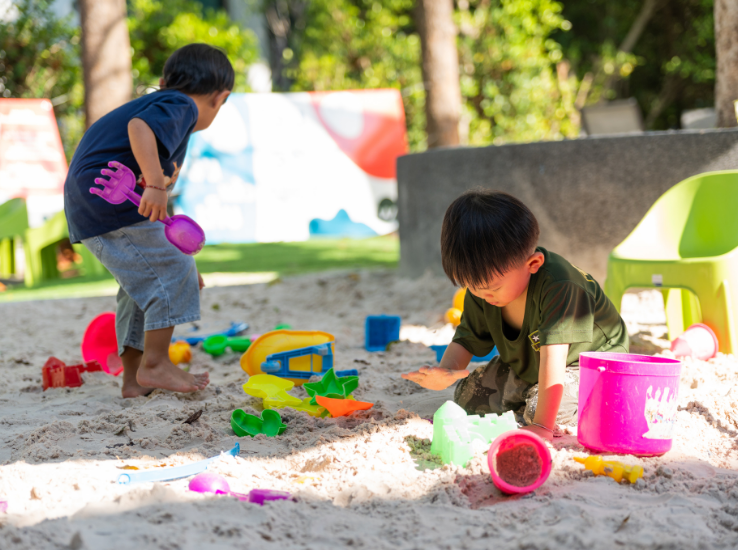
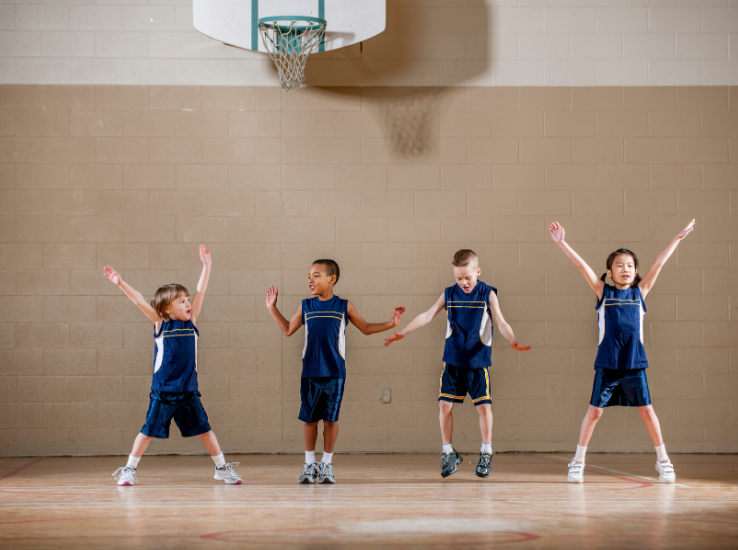
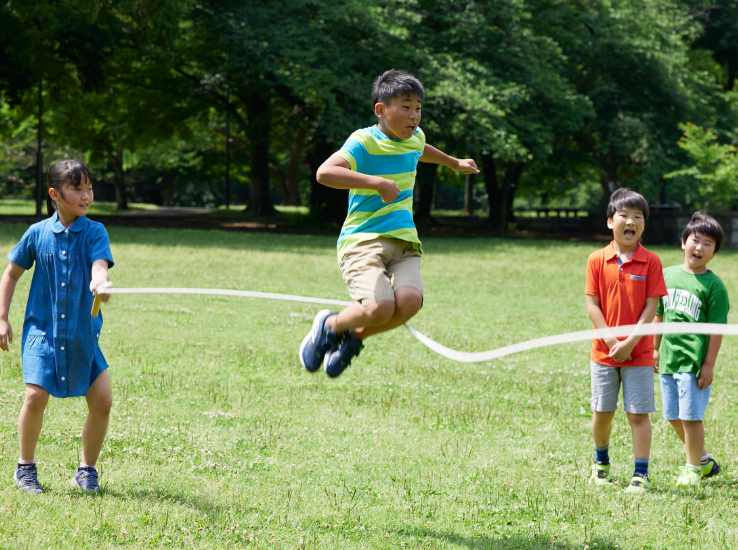
For young children, movement represents an important part of learning. Running, climbing, jumping, carrying objects and playing with different materials allow children to understand how their bodies work and how they interact with their surroundings.
This is why children may sometimes find it difficult to sit still for long periods. They have a natural inclination to move their bodies and to explore the environments they inhabit in unique ways. They are able to learn a great deal through such movement and exploration.
Simple fun activities at the playground, riding a bicycle, dancing or assisting with household tasks provide children with opportunities to develop coordination and confidence.
As children grow older, physical activities may also teach them about teamwork and patience and why participants in sports and games are required to follow rules.
The Power of Repetition
Have you ever noticed a child doing the same thing over and over again?
They may want to hear the same story every night, build the same tower repeatedly or play the same game for days. While adults may find this repetitive, children often learn through repetition.
Doing something again allows them to practise a skill, notice small differences and become more confident. It also gives them a chance to understand how something works.
Instead of always introducing something new, parents could allow children to return to activities they enjoy. Repetition is a useful part of the learning process.
Discovering Social Skills
As children become more interested in playing with others, they begin learning important social skills. Sharing, taking turns, listening, cooperating and dealing with disagreements are all skills that develop over time.
It is not enough to inculcate these skills through instructions alone. Children often learn them through real experiences with siblings, friends and classmates.
A disagreement over a toy, for example, could become an opportunity for a child to learn how to express his feelings, to listen and pay attention to the views and feelings of the other person involved and to cultivate the skill of working together to find a solution.
Parents need to guide children through these situations without solving problems for them. Giving children some space to work things out enables them to become more confident and to cultivate the interpersonal skills required in social situations.
When Children Want to Do Things on Their Own
Another important stage is the growing desire for independence.
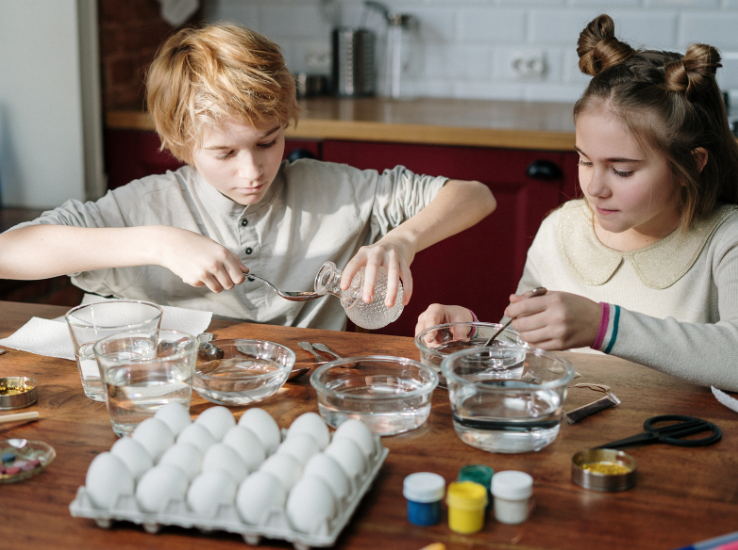
Children may suddenly want to choose their own clothes, to prepare a simple snack, to pack their school bag or to tidy up their toys without adult intervention. They may insist, “I can do it myself.”
Although this may sometimes slow down the pace of every day routines, it needs to be recognized as an important part of growing up.
Giving children small responsibilities allows them to cultivate and practise the skill of decision-making and to learn from their own experiences. Parents need to offer their children opportunities for making simple choices and resist the urge to make every decision for them.
For example, parents might let their children decide on their own which book they want to read or which activity they would like to do first instead of making such decisions for them
Following the Child, not a Timeline
A sound understanding of the different stages of learning will enable us to appreciate that not every child will reach the same milestones at exactly the same age.
Children develop differently. One child may be highly interested in reading, while another may spend more time building, drawing or exploring outdoors. Their interests may also change over time.
Parents do not need to turn every interest into a lesson. Sometimes, the best thing for them to do is simply to notice what catches their child's attention and then provide opportunities for him to explore it.
A child who spends hours drawing may not need structured art lessons immediately. He may simply need paper, pencils and the freedom to experiment.
Creating Space for Learning
Parents who wish to support their children’s learning will need to create an environment where they feel comfortable asking questions, making mistakes and trying again.
This can be as simple as keeping books within reach, providing materials for creative activities, spending time outdoors or allowing children to participate in or assist with everyday tasks.
It is also important to give children ample time to do what they want to do and not to rush them. Learning does not always happen quickly. Children may need repeated opportunities before they feel confident enough with a new skill to start using it.
Instead of focusing only on what a child can already do, parents may want to pay attention to what they are curious about and what they are beginning to explore.
Children are constantly learning as they grow, but they do not all learn in the same way or at the same pace. There may be times when they become especially interested in language, movement, repetition, social interaction or independence.
For parents, recognising these interests may be more useful than trying to follow a fixed timetable. By giving children the time, space and encouragement to explore what interests them, parents are support learning in a natural way.
Sometimes, learning begins with something as simple as a question, a new interest or a child asking to try something by themselves. By giving them the opportunity to explore these moments everyday experiences may be transformed into meaningful learning.