







Children learn a lot at school, but some of the lessons that stay with them longest may happen far away from a classroom.
They learn about money when they compare prices at the supermarket. They learn about responsibility when they look after a plant. They learn about communication when they order their own food or speak to someone they have never met before. They learn about the world when they visit a new place, experience a different culture or simply take part in everyday family life. He can learn about plants from a textbook. But planting a seed, remembering to water it and waiting for something to grow makes the idea feel completely different.
This is the value of real-world experiences.
Children spend much of their lives learning in classrooms, but some of the most important lessons they learn have to do with the world around them occur in the real world. Such learning gives them opportunities to ask questions, solve problems, make decisions and discover things for themselves.
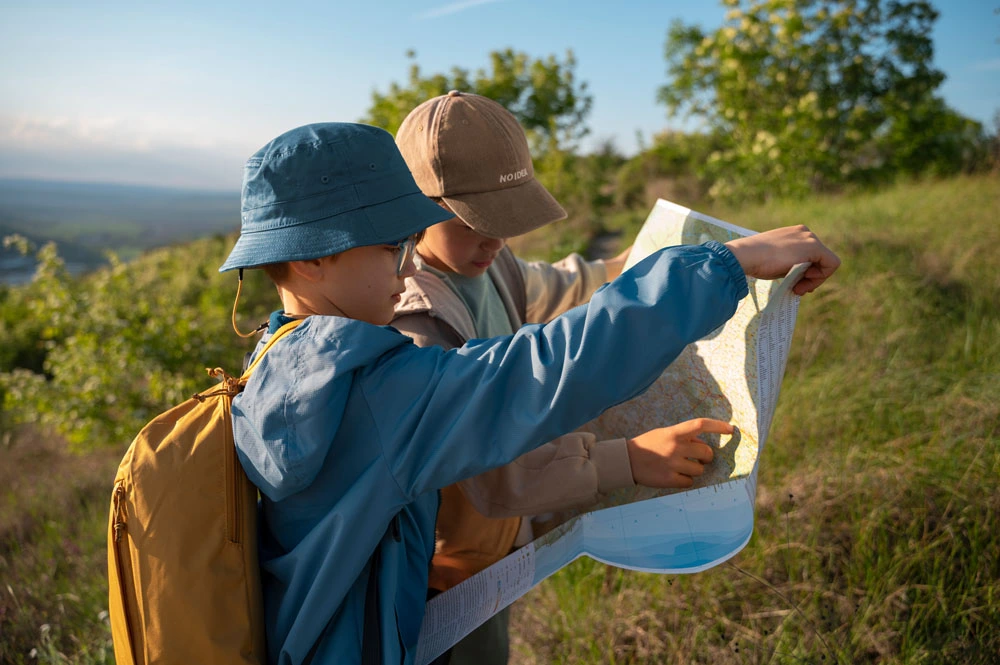
Learning Feels Different When It Becomes Real
There is a big difference between knowing something and experiencing it.
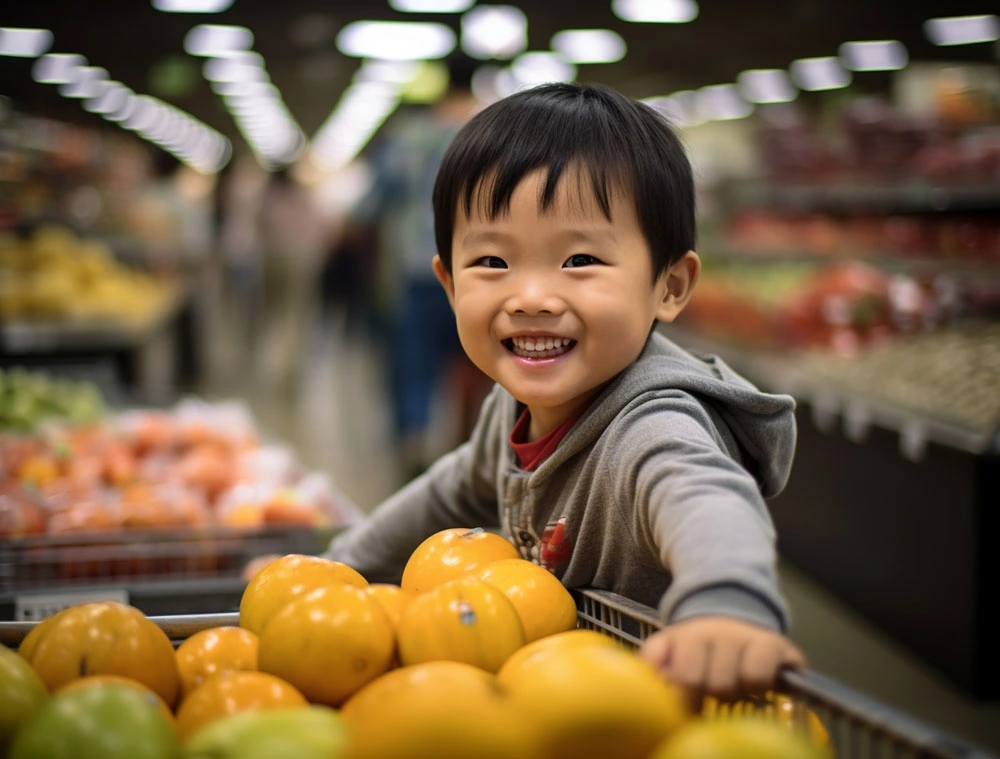
A child may understand that food costs money, but going to the supermarket with Mum and choosing between two products introduces new questions.
Why is one more expensive? Do we really need this? What happens when the budget is not enough?
These are lessons that come naturally from real life.
Real-world experiences give children a chance to see why the things they learn matter. Maths becomes more than numbers on a page. Science becomes more than definitions. Communication becomes more than a language exercise.
The world gives learning a context, and context often makes ideas easier to understand.
Everyday Tasks Build Independence
Children do not need huge responsibilities to become more independent.
Small opportunities are enough to make a difference.
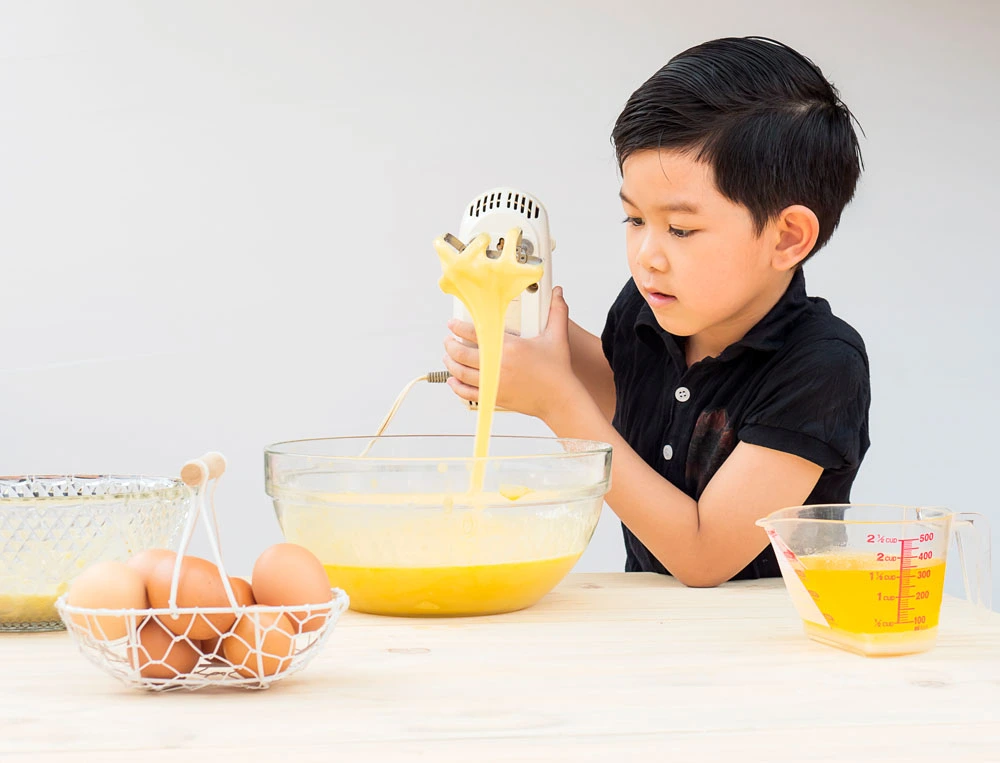
Letting a child order his own food at a restaurant, speak to a shop assistant, pack his own bag or help plan a family outing teaches him how to make choices and handle situations on his own.
He may make mistakes too.
Perhaps he forgets something important or struggles to explain what he wants. That is part of learning.
When children are given opportunities to do things for themselves, they begin to realise that they are capable. Sometimes, the best way to prepare children for the world is to let them experience small parts of it which are close at hand.
Real Life Encourages Children to Ask Questions
The more children experience the world, the more questions they may have.
Why do some buildings have solar panels?
How does a train know where to go?
Why do people speak different languages?
Where does our rubbish go?
Real-world experiences create opportunities for these questions to occur naturally.
A visit to a farm might lead to a conversation about where our food comes from. A museum could spark an interest in history. A day at the beach might lead to questions about marine life or plastic waste.
Parents do not need to know every answer. Sometimes, saying, “I’m not sure. Let’s find out,” shows children that learning does not stop when the school day ends.
They Learn How to Solve Problems
Life does not always provide instructions.
A child may have to work out how to get somewhere, decide what to do when plans change or find a solution when something goes wrong.
Imagine arriving at a busy market and discovering that a favourite stall is closed. Instead of simply moving on, parents could involve their child in deciding what to do next.
Or, perhaps a family trip takes an unexpected turn because of the weather. The child gets to see how adults adapt and make decisions.
These moments teach children that problems are not always something to fear. Sometimes, a problem is simply a situation that needs a solution.
They Become More Comfortable Outside Their Comfort Zone
Children also need opportunities to experience something unfamiliar.
Trying out a new activity, speaking to new people, visiting a new place or joining a community event may help children become more adaptable.
It may feel uncomfortable at first. A child may be diffident about ordering his own meal or nervous about joining a new activity. But each new experience can make the next one easier.
Children will eventually face new schools, new friendships, new environments and new responsibilities. Small opportunities to navigate unfamiliar situations can help them feel more prepared.
Real-World Experiences Help Children Understand Other People
One of the most valuable things children can learn outside the classroom is that people live in different ways.
A child who regularly meets people from different backgrounds, generations and cultures begins to understand that his own experience is not the only one.
This can happen in simple ways. Maybe he visits a neighbourhood market and hears different languages being spoken.. Perhaps, he spends time with grandparents who grew up very differently, or attends a cultural event with his family.
These experiences encourage children to listen, observe and ask questions with curiosity rather than making unrealistic assumptions.
In an increasingly connected world, being able to understand and communicate with people who are different from us is an important part of growing up.
Not Every Experience Has to Be Expensive
Real-world learning does not require an overseas holiday or an expensive activity.
Some of the best experiences are completely ordinary.
Cooking dinner together. Using public transport. Visiting a library. Going to the wet market. Growing herbs at home. Helping with grocery shopping. Walking around a new neighbourhood. Conversing with an elderly relative.
These everyday activities expose children to decisions, conversations, people and systems they might not encounter in their usual routines.
The goal is not to fill every free moment with an educational activity. It is simply to give children space to notice, participate and experience what is happening in the world thy live in.
Let Children Experience the World, Not Just Learn About It
School will always play an important role in a child's education, but education does not begin and end in the classroom
Children need opportunities to see how ideas work in everyday life, to exercise their options, to make mistakes, to talk to different people and to discover things that may not always be fully understood through explanations in a formal lesson.
Real-world experiences enable children to develop a relationship with the world around them. They begin to notice how things work, how people live and how their own actions affect others.
For parents, this does not mean adding another long list of activities to an already busy family schedule. It can be much simpler than that.
Invite your child into everyday life.
Get him to compare prices at the supermarket. Ask him to place his own order at a restaurant. Take him along when you run errands. Let him assist you in cooking dinner. Provide him with opportunities to speak to adults, to ask questions and to work out minor problems for himself.
You do not have to turn every moment into a lesson.
Sometimes, the most valuable learning happens when children are simply included in a range of everyday activities.
After all, we are not only preparing children to do well in school. We are preparing them to participate actively in the real world.
And that education may well begin with something as simple as saying, “Come and help me.”