













Children today have more opportunities than ever to learn and explore outside the classroom. After school, they may have piano lessons, swimming practice, tuition, sports, art classes, language lessons and other activities planned throughout the week. While these activities often help children explore their interests and build new skills, it is worth asking whether children really need to have every moment of their day planned.
A full schedule may look productive, but having too many activities may leave little time for children to rest, play or simply enjoy being at home. Finding the right balance is important because childhood is not only about learning new skills. Children also need time to relax, spend time with their families, follow their own interests and enjoy activities without a timetable.

Does Your Child Have Enough Free Time?
There is nothing wrong with children taking part in activities outside school. In fact, extracurricular activities offer many benefits. Sports encourage children to stay active, music introduces them to new forms of expression, while art and creative activities provide scope for exploration through their imagination.
The challenge arises when every afternoon and weekend is planned around another class or activity.
A child may start the day with school, continue with private tuition in the afternoon and then attend another class in the evening. By the time they get home, there may still be homework, dinner and preparation for the next school day. Weekends can also become filled with activities, leaving very little time for unplanned family time or rest.
Children may not always say that they are overwhelmed. Instead, parents might notice that they become more tired, easily frustrated or less interested in activities they previously enjoyed. These may well be signs that their schedule may need a little more breathing room.
Children Need Time to Rest
Rest is an important part of a healthy childhood. Children spend much of their day learning, listening, moving around and interacting with others at school. After a full school day, they need opportunities to slow down and recharge.
Rest does not necessarily mean doing nothing for an entire afternoon. It could simply mean having some quiet time at home, reading a book, listening to music, drawing or just relaxing with the family.
A child who has time to rest may also be better able to enjoy the activities they choose to take part in. Instead of moving from one commitment to another, they have enough space to recover and return to school or activities feeling refreshed.
Parents may also need to review their child’s evenings. If there is barely enough time to have dinner, finish homework and get ready for bed, it may be worth reconsidering whether another activity needs to be added to or removed from the schedule.
Free Play Still Matters
With so many structured activities available, it can be easy to forget the value of free play.
Free play gives children the chance to decide what they want to do without being told exactly how to do it. They might build something with blocks, play pretend games, draw a picture, ride a bicycle or make up a game with their siblings.
Unlike a class where there is usually a specific goal, free play allows children to take the lead. They can change the rules, try different ideas and solve small problems on their own.
Even something as simple as playing with friends in the neighbourhood or spending time in the garden can become a valuable part of childhood. Not every activity needs to have a lesson or a measurable outcome.
Not Every Hobby Needs to Become a Skill
Parents naturally want to see their children learn and grow. However, there may sometimes be a tendency to turn every interest into a structured activity.
A child who enjoys drawing does not necessarily need to attend an art class immediately. A child who likes football may simply enjoy kicking a ball around with friends. A child who enjoys singing might be happy performing at home without needing formal lessons.
Structured classes are certainly useful when a child is genuinely interested and wants to develop a particular skill. But hobbies may also be pursued simply because they are enjoyable.
Allowing children to enjoy their interests without focusing on results serves to take away some pressure and enable them to discover what they truly enjoy.

Giving Children More Choice
As children grow, they need to start to assume more responsibility for choosing how they spend their time.
Instead of deciding on every activity for their children, parents could work with them in choosing how they spend their time. This allows children to express their interests and enables parents to understand which activities their children genuinely enjoy.
This does not mean children should make every decision on their own. Parents play a role in setting reasonable boundaries and taking into account factors such as school responsibilities, family schedules and the child’s age when decisions are taken.
The goal is to create a schedule that works for the whole family while also giving children some ownership over their time.
Quality Matters More Than Quantity
Having five extracurricular activities does not necessarily mean a child is learning more than another child who participates in only one or two.
In many cases, the quality of an activity and the child’s interest in it matter more than the number of activities they are involved in.
Children are often more engaged when they take part in activities they genuinely enjoy. For instance, a child who loves swimming may gain more from developing that interest than from being involved in several activities they do not enjoy.
Parents therefore will need to consider whether each activity adds value to their child’s life. Activities should be enjoyable, in keeping with the interests of the child and fit comfortably into the family’s routine. Most importantly, children should still have enough time for rest, family and play.
Leave Room for Family Time
A busy schedule may also affect family life. When everyone is constantly moving between school, work and activities, there may be fewer opportunities to just sit down together.to relax and engage in meaningful conversation.
Simple moments are often valuable. Having dinner together, going for a walk, visiting a park, cooking at home or spending a quiet afternoon together provide families with the time to talk and reconnect.
These moments do not need to be viewed as educational activities. Children learn a great deal through everyday conversations and experiences with their parents and siblings.
Family time also gives parents a chance to take note of how their children are doing. A relaxed conversation in the car or while having dinner may tell you more about their day than a quick question asked while everyone is rushing to the next activity.
Making Space for Childhood
There is no perfect number of activities that every child should have. Some children enjoy having a busy schedule, while others prefer a less stressful routine. Finding the right balance allows children to explore their interests, develop new skills and still have time to enjoy being children.
Parents need to regularly review their children’s schedules and decide whether there is enough time for sleep, homework, play, family and simply being at home. If every hour is already planned, adding another activity may not necessarily make their childhood better.
Children need opportunities to explore their interests, but they also need space to discover things on their own. They need time to rest, play, make mistakes, get bored, talk with their family and enjoy the little things around them.
A balanced childhood is not about filling every moment with activities. Leaving some time unplanned provides children with the freedom to play, explore and enjoy the simple moments of childhood.
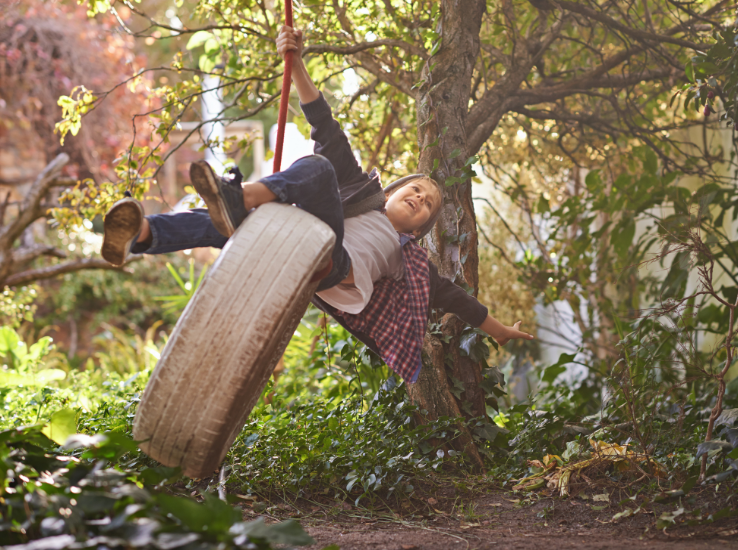
Children do not need every hour of their day to be filled with activities. While lessons, sports and hobbies often help them learn new skills and discover their interests, having enough time to rest, play and spend time with family is just as important.
Rather than focusing on how many activities a child is able to fit into a week, parents need to ask themselves whether their daily routine feels manageable and rewarding. A balanced routine gives children opportunities to take part in activities they enjoy while still leaving room for family time, relaxation and their own interests.
Sometimes, giving children less to do may actually give them more freedom to explore, create and think for themselves. An afternoon spent playing with friends, reading a favourite book or simply enjoying time at home may not seem as productive as attending another class, but these everyday moments are also an important part of growing up. Giving children this space allows them to develop at their own pace, enjoy their interests and make meaningful memories along the way.