




Choosing your child's first preschool is a big decision. For many parents, it is the first time their child will spend a significant part of the day away from home, learning, playing and interacting with other children.
For families considering an international preschool, there are other factors to think about as well. Schools may follow different curricula, pedagogical approaches and languages of instruction. Some place greater emphasis on play and exploration, while others may have a more structured academic programme.
The right preschool should not simply be the one with the most impressive facilities or the longest list of activities. It should be a place where your child feels safe, supported and excited to learn.
Some key factors to consider when choosing your child's first international preschool.
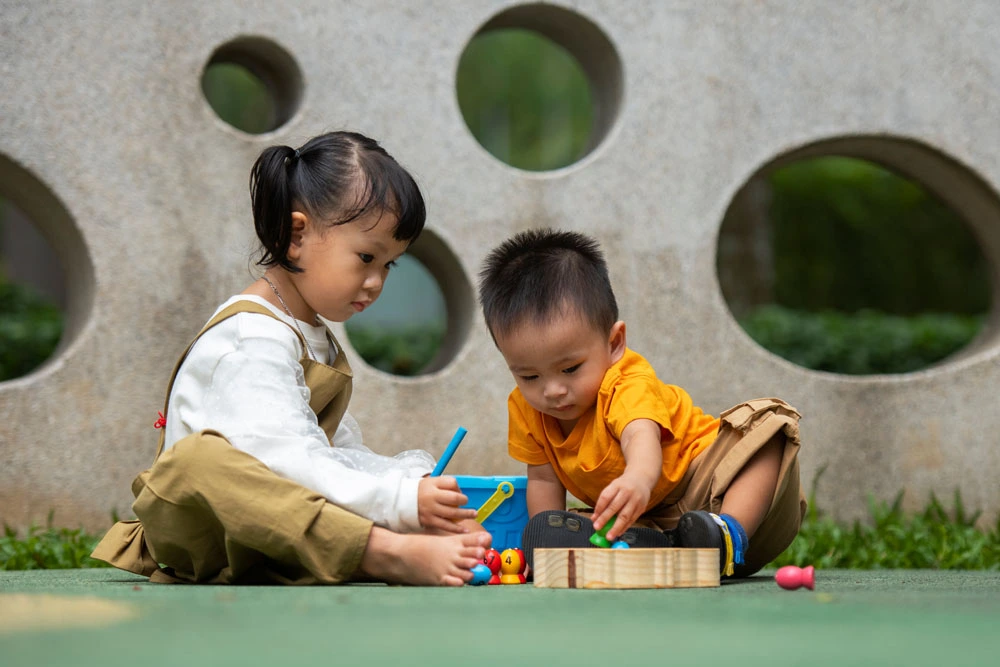
1. Consider Your Child's Readiness
Before comparing schools, think about whether your child is ready for preschool.
Children develop at different rates, so there is no single age at which every child will be ready. Some children are eager to meet new friends and explore unfamiliar environments, while others may need more time to feel comfortable away from their parents.
Consider whether your child can communicate basic needs, follow simple instructions and participate in simple activities with other children. Independence with tasks such as eating, using the toilet and putting away belongings after use can also make the transition easier, although many preschools support children as they develop these skills.
Emotional readiness is just as important. Your child may initially feel nervous, clingy or upset when starting preschool. This is normal. A good school should have strategies to enable children to gradually become comfortable in their new environment.
2. Understand the School's Curriculum
International preschools can follow different curricula and educational approaches. Some may be aligned with the British curriculum, while others may use an IB-inspired approach, Montessori methods, Reggio Emilia principles or their own early years programme. Instead of focusing on the name of the curriculum, look at how your child will actually learn.
Ask questions such as:
- How much time is allocated for play?
- How are literacy and numeracy introduced?
- Are children encouraged to explore and to ask questions?
- How much outdoor learning is included in the school curriculum?
- How does the school develop communication and interpersonal skills?
- How are children's individual interests incorporated into learning?
At preschool level, learning should extend beyond worksheets and memorisation. Children learn through play, conversation, movement, experimentation and interaction with others.
3. Look at the Pedagogical Approach
Two schools may follow similar curricula but have very different classroom environments.
During a school visit, observe how teachers interact with the children. Do teachers get down to the children’s level when speaking to them? Do they encourage questions? Are children given opportunities to make choices and to explore independently?
A strong early years programme should strike a balance between teacher-guided activities and child-led exploration.
You should also ask about class sizes and teacher-to-child ratios. Smaller groups allow teachers to give children more individual attention, particularly during the early stages. .
4. Pay Attention to the Learning Environment
The physical environment can have a significant impact on a young child's experience.
Look beyond the impressive campus. Consider whether the classrooms are welcoming, well organised and designed for young children.
Look for spaces that encourage:
- Creative activities
- Reading, writing and talking
- Imaginative play
- Constructive activities and problem-solving
- Sensory exploration
- Physical activity
- Outdoor play
In Southeast Asia, outdoor spaces can be particularly valuable. Ask how often children play outdoors and how the school manages outdoor activities during hot weather or heavy rain.
Safety should always be a priority. Check whether entrances are secure, playground equipment is well maintained and young children are appropriately supervised.
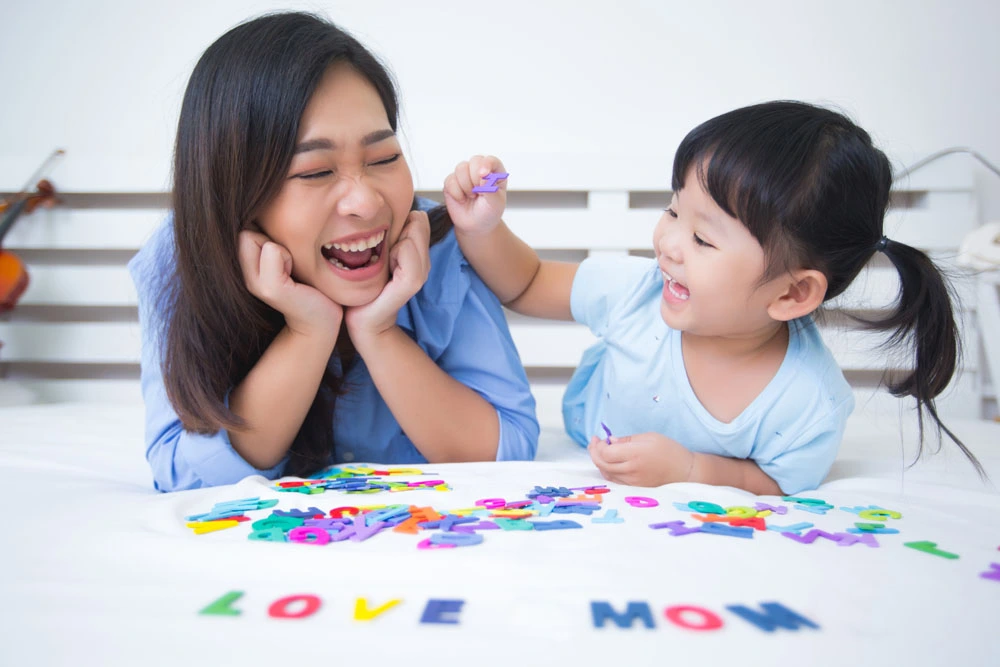
5. Ask About Language Exposure
Language is another important consideration, particularly for families choosing an international preschool.
Many international preschools use English as the main language of instruction. Some also provide exposure to Mandarin, Bahasa Malaysia and other languages.
Think about your family's language needs and your child's existing language abilities.
If your child is not confident in English, ask how the school supports children who are learning English as an additional language. A supportive environment will enable children to develop language skills through songs, stories, conversations and everyday activities.
If maintaining your home language is important to your family, consider how the school complements rather than replaces the language used at home.
6. Find Out How the School Supports Emotional and Social Development
Preschool is about much more than learning letters and numbers. It is also where children begin developing important emotional and social skills.
A strong preschool programme helps children learn how to share, cooperate, communicate, manage emotions and resolve simple conflicts.
Ask how teachers respond when children become upset or have disagreements with classmates. The school's approach can tell you a lot about its philosophy.
Rather than expecting young children to behave like adults, teachers should help them understand their emotions and gradually develop the interpersonal skills needed to manage them.
7. Consider Your Child's Interests
Your child's personality should also influence your decision.
If he loves drawing and storytelling, look for a school with strong creative activities. If your child is constantly exploring how things work, a preschool with opportunities for STEM, building things and hands-on discovery may be a good fit.
For children who enjoy movement, look at the school's sports and outdoor activities.
It is not necessary to find a preschool that specialises in your child's favourite activity. At this age, the priority should be on providing a broad range of experiences that allow children to discover and cultivate new interests.
8. Ask About Channels of Communication with Parents
Starting preschool is a transition for parents too.
Find out how the school communicates with families. Will teachers provide regular updates about your child's progress? Are there parent-teacher meetings? Does the school use an app or online platform to communicate with parents?
Also ask how the school handles concerns shared by parents
A strong relationship between parents and teachers can make it easier to provide support for your child during the early years. Parents should feel comfortable asking questions and discussing changes in their child's behaviour or development with the teachers at his school.
9. Think About Practical Matters
Sometimes, practical considerations are just as important as educational ones.
Consider the following:
- School location
- Daily schedule
- School hours
- Transport options
- Meals
- Uniforms
- Holiday schedules
- After-school care
- Additional fees
- Admissions requirements
A preschool that is perfect academically may not be practical if the daily journey is exhausting for your child.
Remember that young children can find long commutes tiring. A school closer to home may provide a better overall experience, particularly during the first year.
10. Visit the School Before Making a Decision
Online research can help generate a shortlist, but nothing replaces visiting a preschool in person.
During your visit, pay attention to how the children behave. Do they appear comfortable and engaged? Are teachers attentive? Does the atmosphere feel calm and welcoming?
Try to speak with teachers directly rather than relying entirely on an admissions representative. Ask what a typical day looks like and how they help new children settle in.
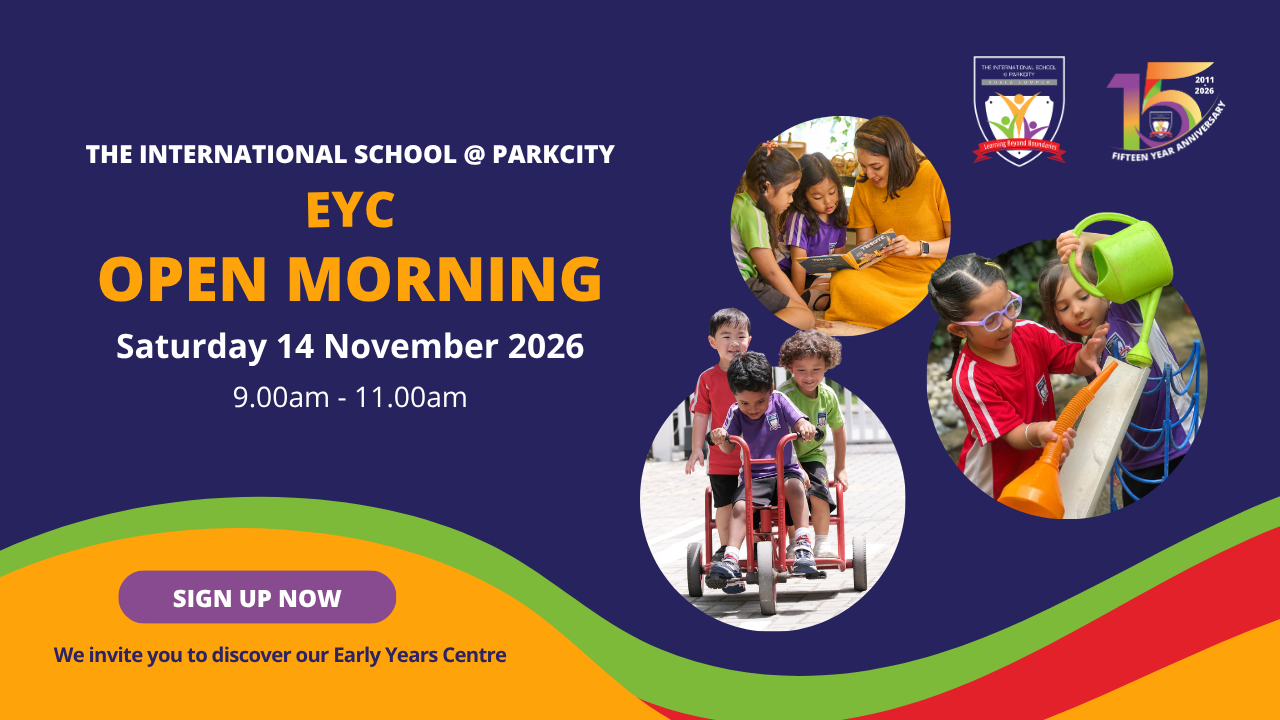
If possible, attend an Open Day or arrange a trial session. This can give your child an opportunity to experience the environment before you make a final decision.
Finding the Right Start
Choosing your child's first international preschool is not about finding the school with the biggest campus, numerous activities or the longest list of achievements.
It is about finding an environment where your child can develop confidence, curiosity and a love of learning.
Look beyond the brochure. Consider the school's pedagogic approach, the curriculum, the credentials of the teachers, the learning environment, the language support provided and the overall approach to the wellbeing of children. Most importantly, think about whether the school is a good fit for your child's personality and needs.
The early years of education serve as an important foundation for what lies ahead. With the right preschool environment, your children can begin that journey feeling secure, supported and excited about discovering the world around them.