













Every child is unique. Some naturally show an interest in music, while others enjoy sports, science, art, storytelling or building things with their hands. However, talents are not always obvious from an early age. They often need time, encouragement and opportunities to grow.
In today's fast-paced world, children often manage busy routines filled with school, homework, tuition and extracurricular activities. While academic achievement is important, childhood should also be a time for exploration. Trying new experiences helps children build confidence, resilience and a genuine love for learning.
Finding a passion takes time. It is a journey of trying, learning, succeeding and sometimes even failing. Every experience contributes to a child’s growth and helps shape who they will become.
Every Child Has Their Own Strengths
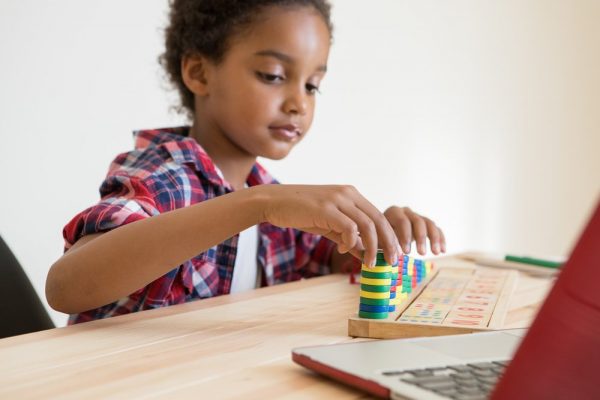
It is easy to compare children with one another, especially when academic results or achievements are often used as measures of success. However, it is important to bear in mind that every child learns differently and develops at his own pace. Some may excel in mathematics, while others shine in creative writing, the performing arts, coding, leadership or in athletics.
Talents are not limited to what happens inside a classroom. A child who struggles with written exams may possess exceptional creativity in other areas, while another who feels shy about speaking may become a confident leader through clubs or team activities. Some children naturally demonstrate empathy, while others have strong problem-solving abilities.
Recognising that every child has different strengths helps parents focus less on comparison and more on understanding what makes their child unique. When children feel valued for who they are, they become more willing to explore, take risks and embrace new opportunities.
The Importance of Exploration in Childhood
Children cannot discover what they enjoy if they are never given the opportunity to try. Exploration allows them to experience different activities, environments and challenges that broaden their understanding of themselves and the world around them.
One child may join a football club and discover a love for teamwork and competition. Another may attend a baking workshop and realise they enjoy creating recipes for cakes and pastries and learning practical skills. A child who joins a robotics programme out of curiosity may develop a lasting interest in technology or engineering.
Exploration is not about achieving success immediately. It is about encouraging curiosity through the process of discovery. Even if children discover an activity is not for them, they will still gain valuable experience and a better understanding of their interests and where their talents lie.
Through exploration children that their interests may change as they grow. Their personalities and passions develop naturally over time. Giving children the freedom to explore allows them to better understand themselves without the pressure of having everything figured out right away.
Building Confidence Through New Experiences
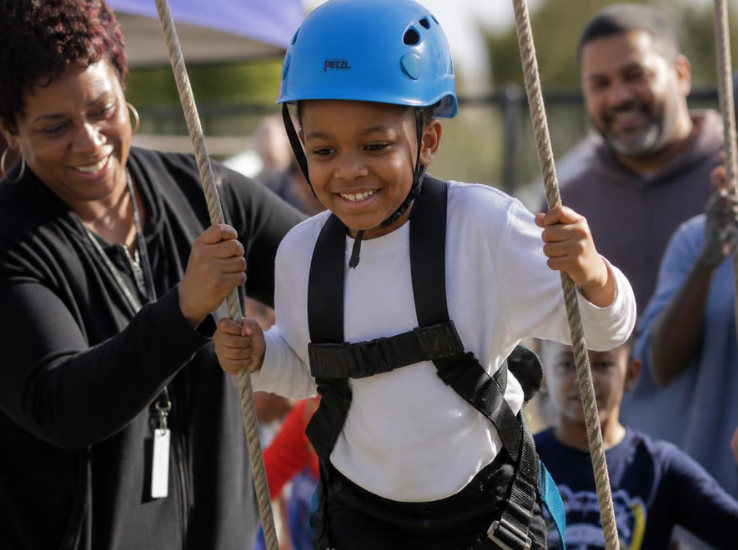
Confidence is built over time through experiences, challenges and opportunities to grow. When children are encouraged to step outside their comfort zones, they gradually realise they are capable of more than they first imagined. Whether performing on stage, participating in sports, creating artwork, or presenting ideas during a group project, every achievement enhances self-belief.
Challenges and mistakes are also important parts of growth. Whether learning to play an instrument, joining a sports team, or taking part in a competition, children discover that improvement is achieved gradually through patience, regular practice and perseverance.
When children understand that mistakes are opportunities to learn, they become more willing to embrace challenges. The confidence gained through these experiences often extends beyond these activities, enabling them to participate more actively in school, build friendships and approach unfamiliar situations positively.
Discovering Passions Beyond the Classroom
Education extends far beyond textbooks and examinations. Some of life's most meaningful lessons emerge from experiences outside traditional academic settings.
Extracurricular activities allow children to explore interests that may not always be covered in school. Sports inculcate teamwork, discipline and perseverance. Music develops patience and creativity. Drama encourages communication and self-expression, while coding provides training in logical thinking and problem-solving.
Even simple hobbies such as gardening, photography, cooking, or reading can help children develop creativity, responsibility, independence and lifelong interests.
These experiences remind children that learning happens everywhere, not only inside classrooms. More importantly, these experiences show that education is about developing the whole child, not just achieving high grades.
Developing Skills for Life
One of the greatest benefits of exploration is that children develop valuable skills that support them throughout life. Beyond discovering their interests and talents, participating in different activities helps children build essential skills that contribute to their personal growth.
Through team sports, clubs and group activities, children learn the importance of communication and collaboration. They practise articulating their ideas, listening to others, respecting different perspectives and working together with others towards a shared goal.
Creative activities such as art, music and hands-on projects encourage creativity and problem-solving. Children learn to think independently, consider new ideas, overcome challenges and find solutions in their own ways.
Trying new experiences also helps children cultivate independence and confidence. By making decisions, taking responsibility for their progress and learning from challenges, children become more self-reliant and better prepared to face new situations.
These skills extend beyond childhood and play an important role in preparing children for their future in education, careers, relationships and everyday experiences.
The Role of Parents in Supporting Exploration
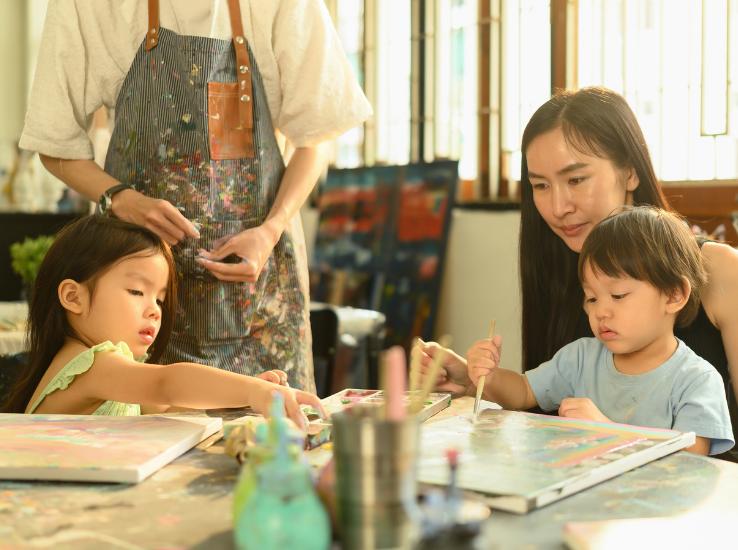
Parents do not need to plan every step of their child's future. Instead, one of the greatest gifts they can provide is encouragement and the freedom to explore.
Supporting exploration does not mean enrolling children in every available programme. It means observing their interests, listening to their curiosity and creating opportunities for them to discover their talents through new experiences at their own pace.
Parents can also nurture confidence by celebrating effort instead of focusing only on achievements. Recognising perseverance, curiosity and the willingness to try something new helps children develop a positive attitude towards learning and to become more comfortable with challenges.
It is also important to recognise when children lose interest. Not every hobby needs to become a lifelong passion or future career. Sometimes, trying something new simply helps children understand themselves better and discover what truly interests them and what does not.
Creating Opportunities for Discovery
Creating opportunities for children to engage in exploration and to discover things for themselves does not always require expensive programmes or specialised classes. Many meaningful and rewarding learning experiences can occur through everyday activities.
Opportunities for discovery through exploration may be found by:
- Visiting museums, science centres, libraries and cultural exhibitions.
- Spending time outdoors through hiking, cycling, gardening or nature walks.
- Participating in workshops, community events or holiday programmes.
- Reading books, watching documentaries, playing educational games and other hands-on activities.
- Engaging in creative hobbies such as painting, photography, crafting or DIY projects.
- Cooking or baking together to develop practical life skills.
Everyday opportunities to explore enable children discover new interests and strengths.
Children deserve to have opportunities to discover what inspires them. Finding a passion is not about striving for perfection. It is about exploring activities that bring joy, build confidence and enhance personal growth.
As children grow, their interests may change and develop over time. What matters most is that they feel encouraged to explore new opportunities and understand that mistakes and challenges that occur during the process also enable them to learn and grow.
By providing children with the time, space and support to explore, parents and educators can help them discover their strengths, cultivate resilience and nurture a lifelong love for learning.