






School holidays often begin with good intentions.
Parents tell themselves this will finally be the time for children to rest, recharge, and enjoy a slower pace of life. But somewhere between enrichment class sign-ups, holiday programmes, tuition schedules, and screen-time negotiations, the break can quickly start looking just as busy as the school term itself.
Many children now move from one activity to another even during holidays. Coding camps. Workshops. Sports clinics. Extra revision. Back-to-back outings planned down to the hour.
On paper, it looks productive.
But increasingly, parents are beginning to ask an important question:
Do children actually need more activities, or do they simply need more time to just be children?
In 2026, more families are rediscovering the value of something surprisingly simple: unstructured time.
Not every moment needs to be scheduled. Not every holiday needs to be optimised.
Sometimes, children benefit most from having the freedom to slow down, to engage in natural exploration, and occasionally even to say the words many parents dread hearing ‘I’m bored.’
The Problem With Constantly Busy Childhoods
Modern childhood has become incredibly organised.
Many children spend their weeks following tightly packed routines. School hours are long, additional work continues at home, and weekends often disappear into enrichment activities.
By the time school holidays arrive, some children are mentally exhausted without even realising it.
Yet many parents still feel the pressure to keep children constantly occupied. There is often a fear that too much free time may lead to laziness, wasted days, or excessive screen use.
But experts and educators are increasingly pointing out that children also need downtime.
Not every moment has to result in a measurable outcome.
Children are not machines designed to operate at maximum productivity all year round.
Just like adults, they need mental breathing space too.
Boredom Is Not the Enemy
Few things make parents panic faster than hearing a child say, ‘I’m bored.’
The instinct is usually immediate:
- Suggest an activity
- Turn on a screen
- Plan an outing
- Fill the silence
But boredom is not necessarily a problem that needs to be resolved immediately.
In fact, boredom can be surprisingly useful.
When children are left without constant entertainment, something interesting often happens. Their brains begin searching for meaningful engagement.
A cardboard box becomes a spaceship. Cushions become forts. Random objects become inventions. Stories seem to appear out of nowhere.
Children who experience unstructured time learn how to initiate play, to entertain themselves, and to think independently. These moments may look ‘unproductive’ to adults, but important developmental skills may be quietly taking place.
Some of the best childhood memories are created not during expensive activities, but during ordinary afternoons where the imagination is given free rein.
Free Play Builds Important Life Skills
Unstructured play is not just about fun.
It helps children develop valuable life skills in ways that highly structured environments sometimes cannot.
When children play freely, they have opportunities for engaging in
- Problem-solving
- Negotiation
- Decision-making
- Creative expression
- Emotional regulation
- Independent thinking and action.
If a game falls apart,,a child has to figure out how to restart it. If siblings disagree, they learn to negotiate rules in order to come to an agreement. If plans change, a child learns to adapt.
These situations may seem small, but they instil flexibility and resilience.
Structured classes usually come with instructions, supervision, and expected outcomes. Free play is different. It allows children to take ownership of their ideas and decisions.
That freedom matters.
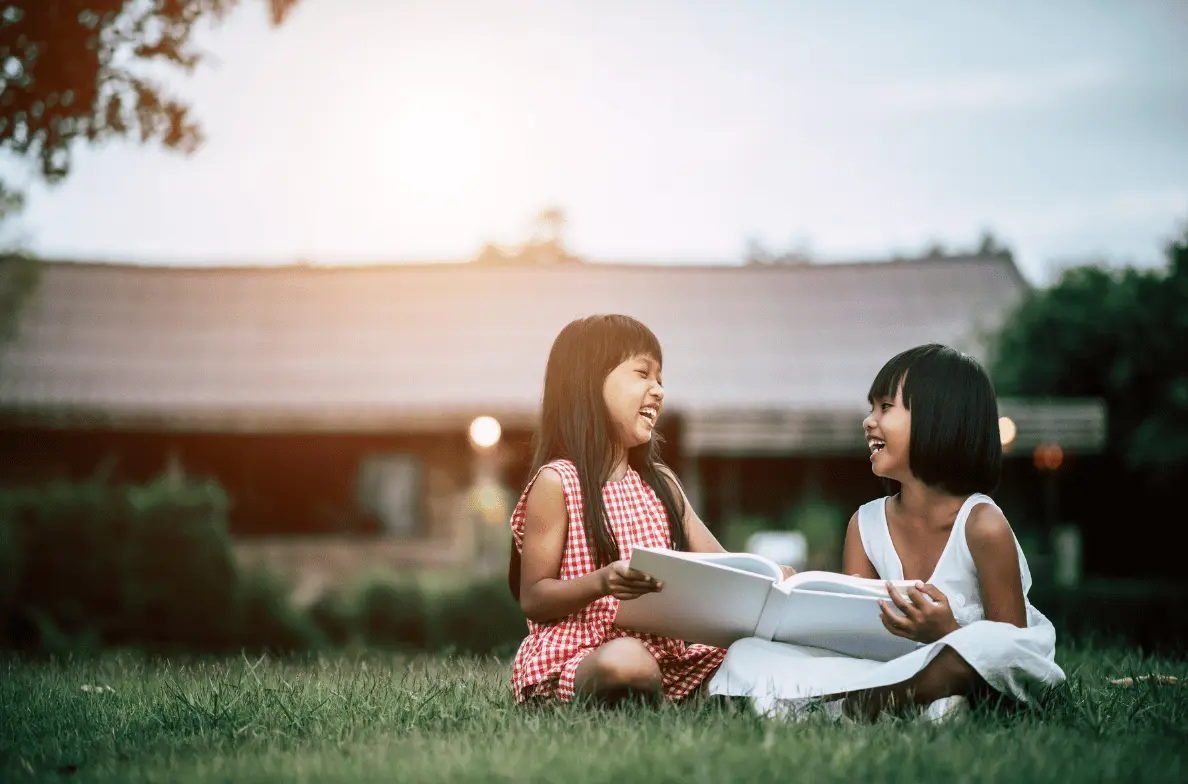
Holidays Should Feel Different From School
One reason school holidays feel special is because they break routine.
Children finally get a chance to wake up late, spend time differently, and step away from constant academic pressure.
But when holidays become overloaded with schedules, the difference between school term and holiday can start disappearing.
Children may still be physically resting from school, but mentally, they remain in performance mode.
Many parents are beginning to recognise that rest itself is productive.
A well-rested child often returns to school:
- More focused
- More emotionally balanced
- More motivated
Downtime is not wasted time. It supports learning too.
Not Every Minute Needs to Have Educational Value
Modern parenting culture often encourages families to maximise every opportunity.
Activities are expected to be educational. Outings should be enriching. Even with play there is sometimes pressure to achieve something.
But every activity in childhood does not always need to be optimised.
A child building random Lego structures, riding bicycles downstairs, or laughing with cousins may not appear to be ‘learning’ in the traditional sense.
Yet these experiences matter deeply.
They help children:
- Build social confidence
- Develop imagination
- Create memories
- Feel emotionally secure
Sometimes the most meaningful childhood experiences may also be the simplest.
Children Today Rarely Experience Quiet Time
Modern life is noisy.
Notifications. Videos. Constant stimulation.
Many children move from screens to schoolwork to activities with very little quiet time in between.
Unstructured time gives children space to slow down mentally.
When children have moments without constant entertainment, they gradually learn how to accept the stillness, to entertain themselves, and to become comfortable without immediate stimulation.
These skills are becoming increasingly valuable in today’s fast-moving world.
Parents Also Need Permission to Slow Down
Interestingly, unstructured holidays are not just difficult for children. They can feel uncomfortable for parents too.
Many adults feel the pressure of constantly having to provide experiences, opportunities, and stimulation.
There is also some invidious comparison. Social media makes it easy to feel that other families are always doing something exciting or productive during school breaks.
But children do not necessarily need perfectly curated holidays.
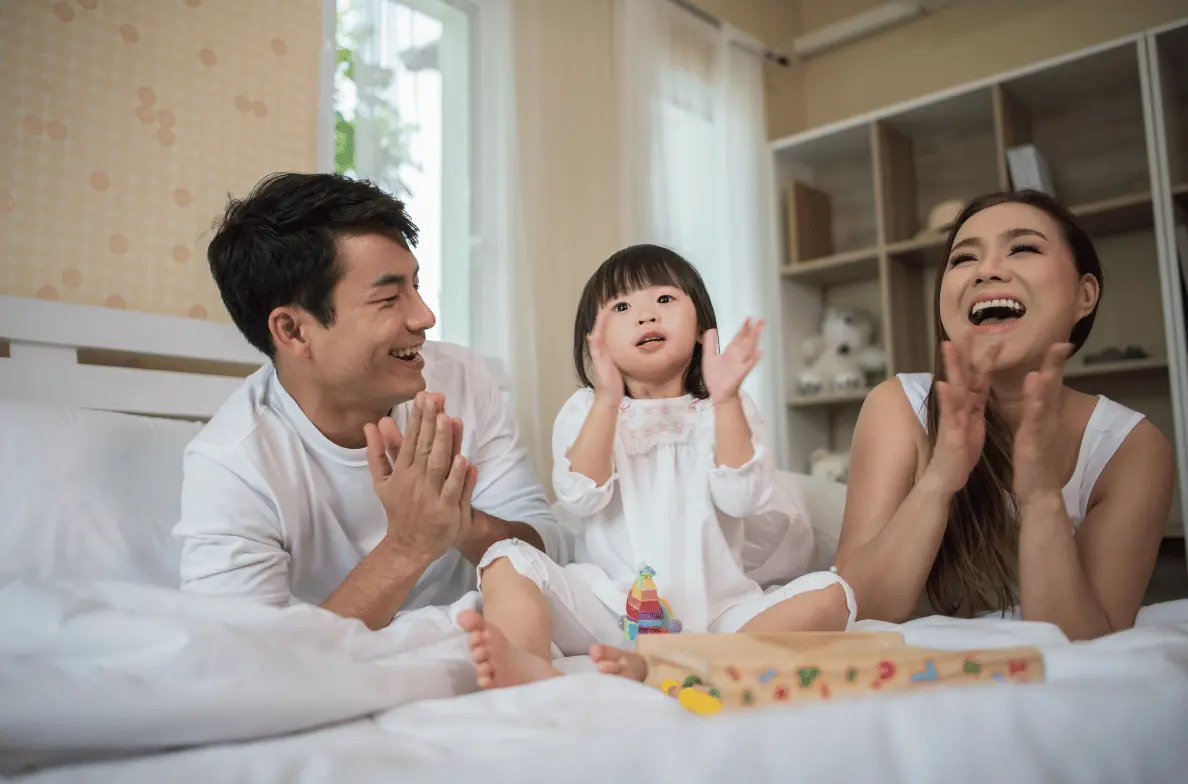
Often, what they remember most are the ordinary moments:
- Eating ice cream after dinner
- Playing board games
- Watching movies together
- Visiting grandparents
- Staying up slightly later than usual
- Laughing over simple things at home
Children rarely measure the success of a holiday by how packed the schedule was.
They remember how it felt.
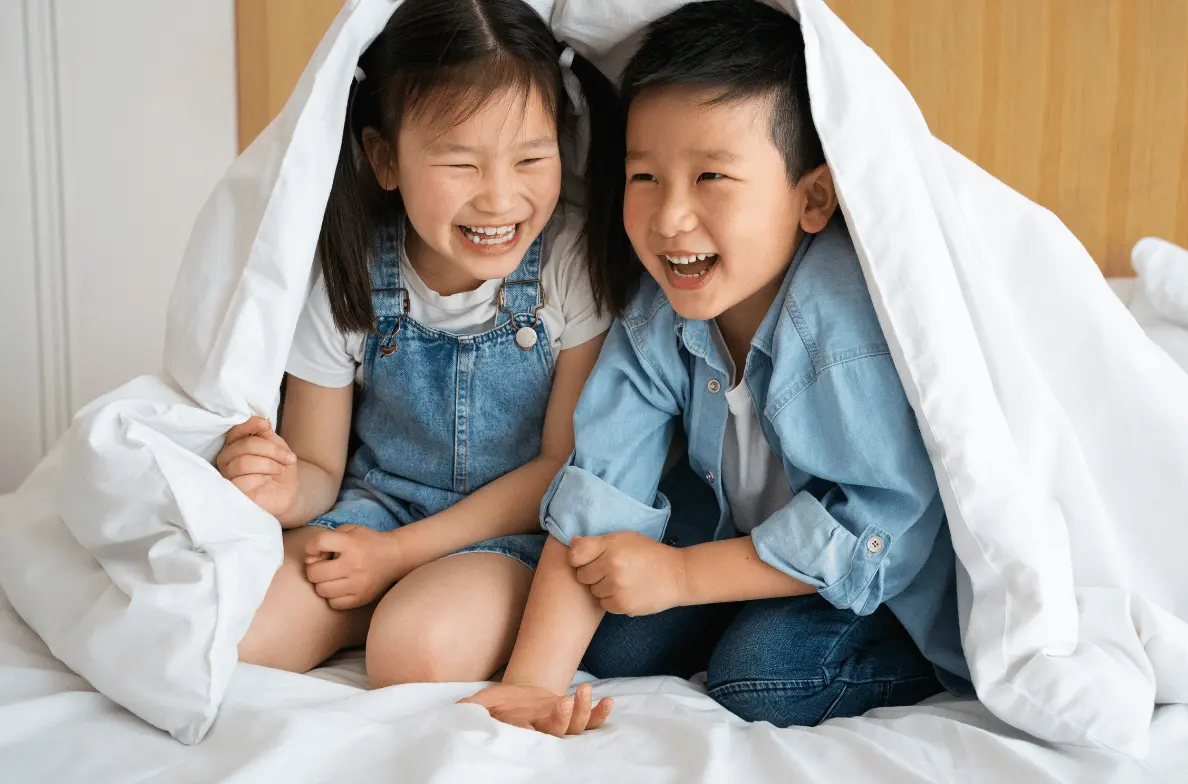
Balance Still Matters
Of course, unstructured time does not mean children should do absolutely nothing all day.
Structure still has value. Holiday programmes, sports, reading, travel, and enrichment activities can all be positive experiences.
The goal is balance.
Not every day needs to be empty. But not every day needs to be fully planned either.
Some of the healthiest school holidays include both:
- Planned activities
- Free time
- Family connection
- Rest
- Opportunities for independent activity including play and recreation.
Final Thought
In a world that constantly pushes children to do more, achieve more, and stay busy, unstructured time has quietly become something valuable.
School holidays do not always need to be filled with productivity.
Sometimes, children simply need space to slow down, play freely, rest properly, and rediscover the joy of being young.
Because while structured activities may inculcate specific skills, unstructured time often teaches children something equally important:
How to imagine, explore, breathe, and simply enjoy childhood.