







Summer holidays are one of the most exciting times of the year for children. After months of structured learning, homework and examinations, this long break offers a chance to rest, recharge and enjoy more freedom. However, it is also an important period for growth and development beyond the classroom.
Instead of letting the holidays pass with excessive screen time or unstructured routines, parents and educators have the option of guiding children through meaningful experiences that are simple, intentional and enriching.
This article lists some meaningful things that children could do over the summer holidays. They provide children with direction while still allowing flexibility and fun. They also help children explore new interests, build confidence and develop important life skills such as independence, creativity and responsibility.
Most importantly, they remind children that learning happens everywhere, not just in school.
Here are 10 meaningful experiences every child may want to try during the summer holidays.
- Read a Book for Enjoyment, Not Just Learning
Reading is one of the most powerful habits a child can develop. However, during school terms, reading is often associated with assignments or academic requirements. Summer holidays provide a perfect opportunity to change that perspective.
Children could explore storybooks, adventure novels, fantasy worlds, comics or even informational books based on their personal interests. When reading becomes enjoyable rather than compulsory, children are more likely to develop a lifelong reading habit.
Reading helps improve vocabulary, concentration, imagination and comprehension skills. It also strengthens emotional understanding as children explore different characters, challenges and storylines.
Parents can encourage reading by setting up a comfortable reading corner at home, visiting libraries with them or allowing children to choose their own books freely. Even 15-20 minutes of daily reading can make a meaningful difference.
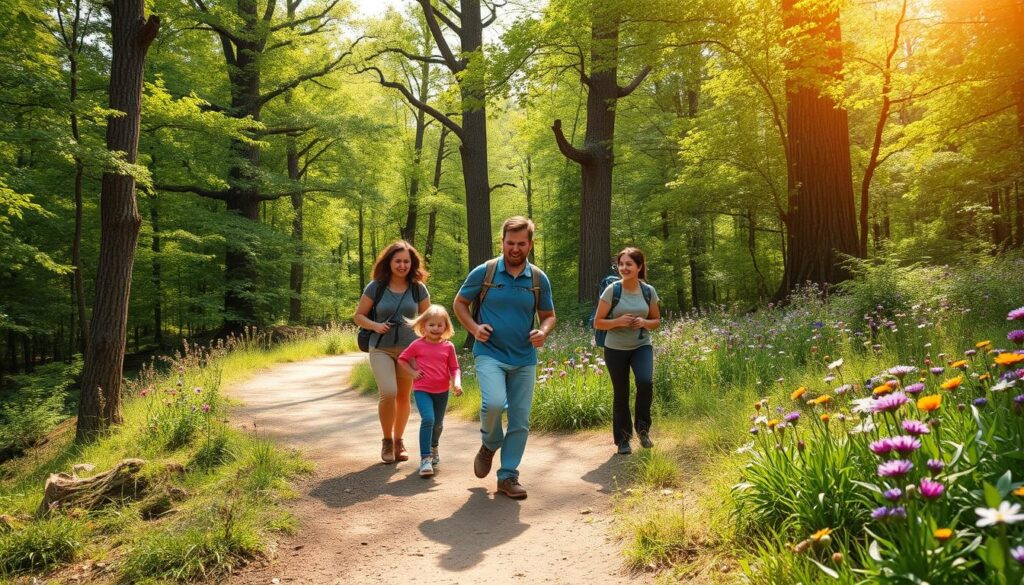
2. Explore Nature Through Outdoor Walks
In today’s digital world, children often spend more time indoors than outdoors. A simple nature walk can become a refreshing and educational experience.
Whether it is a park, garden, beach or hiking trail, children will have the opportunity to observe plants, insects, animals, and natural patterns. This helps them cultivate curiosity and an awareness of the environment.
Nature exploration also supports physical health by encouraging movement and fresh air exposure. This activity can be made more engaging when parents ask children questions such as “What do you notice?” or “How many different colours can you see in nature today?” This turns a simple walk into an interactive learning experience.
3. Try a New Sport or Physical Activity
Physical activity is essential for a child’s overall development. Summer holidays are an ideal time for children to explore new sports or movement-based activities without academic pressure.
They can try swimming, cycling, badminton, basketball, dancing or even martial arts. The goal is not to become professional athletes, but to stay active and discover the joy that different types of physical and sporting activities provide.
Sports help enhance coordination, strength, endurance and motor skills. At the same time, they instil valuable life lessons such as teamwork, discipline, patience and resilience.
Encouraging children to try different activities also helps them build confidence in their physical abilities and develop a healthy lifestyle from an early age.
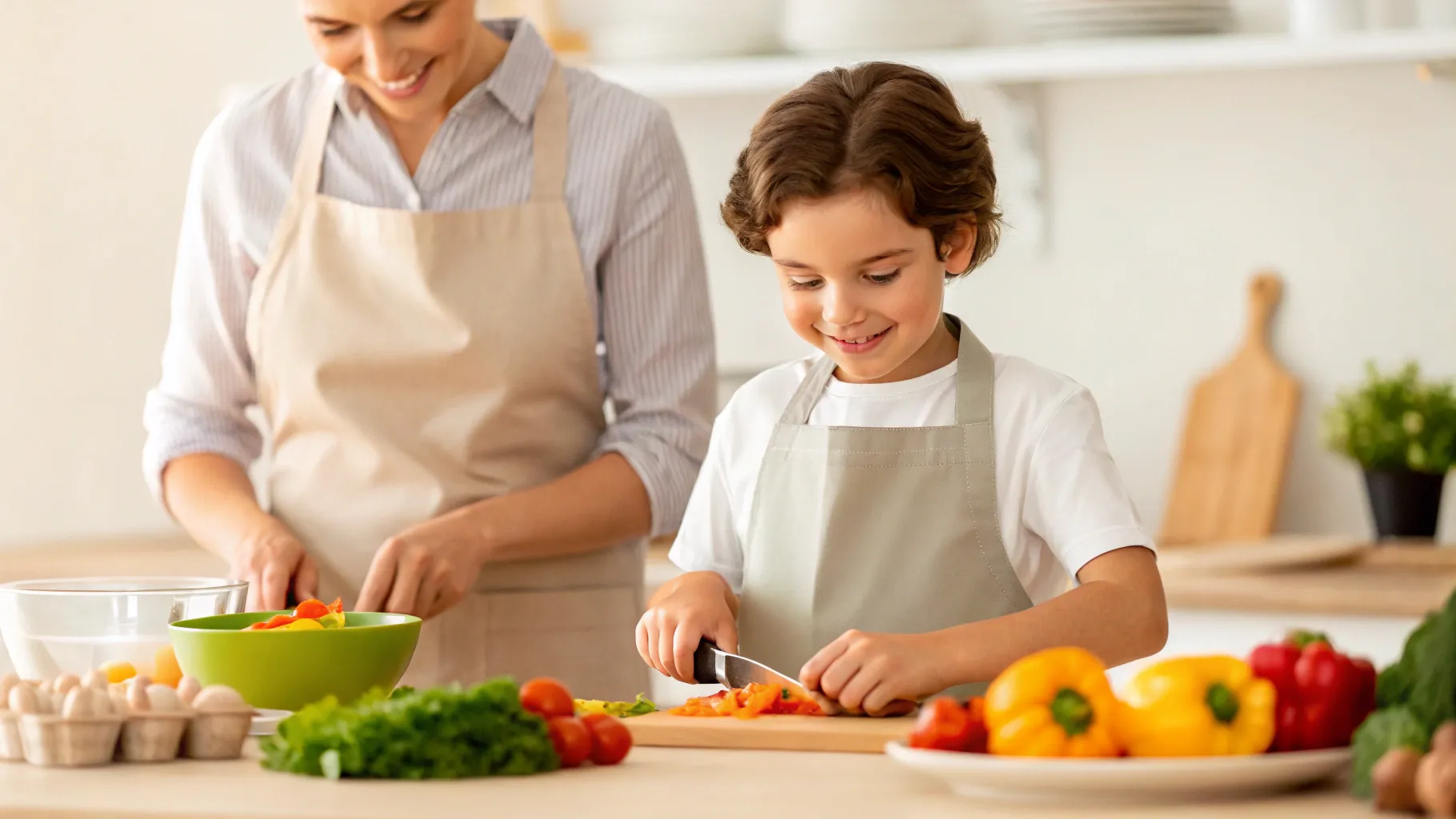
4. Learn Basic Cooking or Culinary Skills
Cooking is a practical life skill that children can start learning at a young age. During the holidays, parents can involve children in simple kitchen tasks such as preparing sandwiches, making fruit salads or baking cookies.
Such activities inculcate responsibility, independence and basic awareness about the value of nutrition. They also help children understand the effort involved in preparing meals and encourage an appreciation of different types of food.
More importantly, cooking together creates bonding time between parents and children. It allows for communication, teamwork and shared experiences in a relaxed environment.
As children gain confidence, they can gradually take on more complex cooking tasks, helping them develop independence in daily life.
5. Complete a Creative Art or DIY Project
Creativity plays an important role in cognitive and emotional development. Art and craft activities give children the freedom to express themselves without rules or pressure.
They can try drawing, painting, origami, scrapbooking, or craft projects using recycled everyday materials. These activities help improve fine motor skills, focus and imagination.
Creative projects also encourage problem-solving as children figure out how to turn ideas into real outcomes. Completing a project gives them a sense of achievement and pride.
Parents can display their children’s artwork at home to further boost confidence and motivation.
6. Join a Summer Camp or Group Activity
Summer camps or group programmes provide structured environments where children can learn through social interaction and teamwork.
These camps often include outdoor games, creative workshops, leadership activities and group challenges that encourage cooperation and communication.
Being part of a group helps children develop social skills, build friendships and gain independence from parents in a safe setting.
It also exposes them to new experiences that they may not encounter in their daily routine, helping broaden their perspectives.
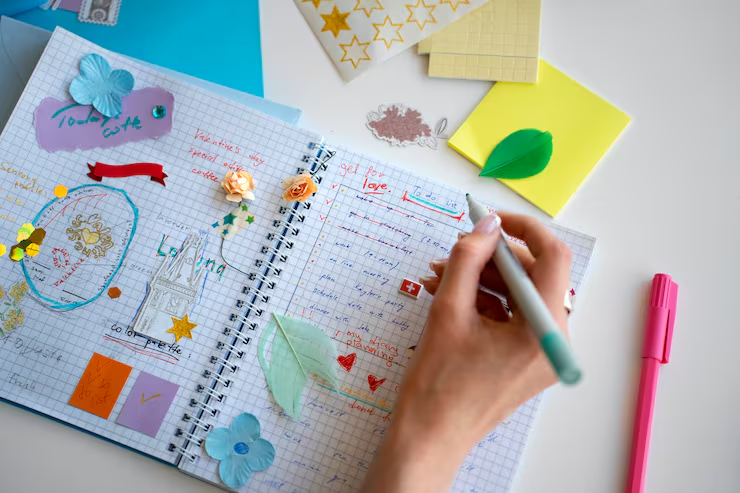
7. Keep a Simple Holiday Journal
Writing a holiday journal is a meaningful way for children to reflect on their daily experiences. They can write short entries about what they did, how they felt or what they learned each day.
This activity strengthens writing skills, improves memory and encourages emotional expression. It also helps children become more mindful of their experiences.
The journal does not need to be perfect. It can include drawings, stickers, photos or even simple bullet points. The focus is on free expression rather than correctness.
Over time, children can look back at their journals and see how they have grown.
8. Practice Kindness Through Small Acts
Kindness is a value that should be nurtured from a young age. During the summer holidays, children can be encouraged to perform small acts of kindness regularly.
This may include helping siblings, sharing toys, assisting parents or showing care to friends and neighbours.
They can also participate in simple community activities such as donating unused items or assuming small family responsibilities.
These actions help develop empathy, gratitude and emotional intelligence, shaping children into more caring and mature individuals.
9. Enjoy Quality Family Time Without Devices
In busy modern lifestyles, family time is often limited. Summer holidays provide the perfect opportunity to reconnect without digital distractions.
Families can plan movie nights, board games, cooking sessions, or outdoor picnics together. The focus is on interaction, communication and shared enjoyment.
These moments help strengthen emotional bonds and improve family relationships. Children also learn communication skills and emotional expression through these interactions.
Even simple daily conversations during meals can become meaningful family moments.
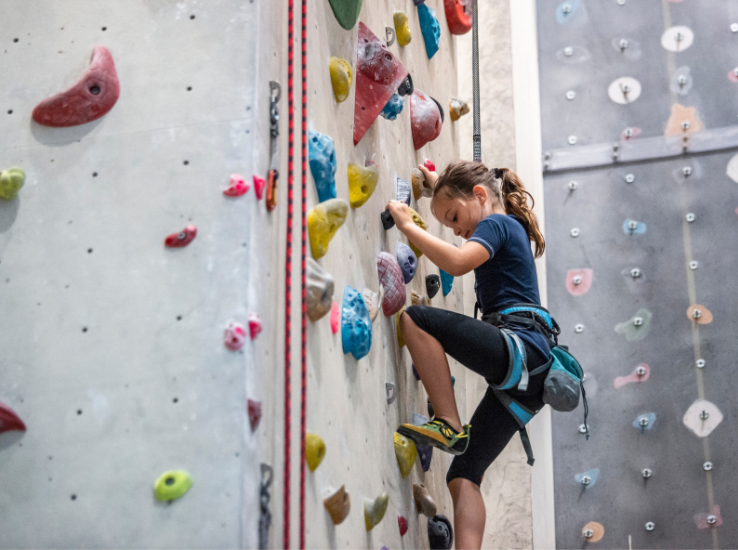
10. Try Something Completely New
Finally, one of the most important experiences on a bucket list is trying something new. This encourages curiosity and helps children step outside their comfort zones.
It could be visiting a museum, trying a new hobby, attending a workshop, exploring a new place, or learning a new skill.
New experiences help children become more adaptable, confident and open-minded. They also help build independence and problem-solving skills.
Even small new experiences may leave a lasting impact on a child’s development.
This list is more than just a collection of activities. It serves as a meaningful guide for growth, exploration and development. It helps children make effective use of their holiday time while still enjoying both freedom and fun.
Through meaningful experiences during the holidays, children are able to develop important life skills that extend beyond academic learning.
By the end of the summer holidays, children not only feel refreshed and happy but also return to school with new experiences, greater confidence and a wider understanding of the world around them.
Most importantly, they learn that every experience, big or small, can be a valuable part of their personal growth journey.